Packing your hospital bag is one of the most practical things you can do before your due date. The right items keep you comfortable during labor, help your newborn stay warm and safe, and make the trip home much smoother. Most parents pack too late or forget key essentials. This guide walks you through every item worth bringing, from your baby’s first outfit to the tools that support your recovery. Start packing around week 35. That gives you time to gather everything without rushing. Use this list as your go-to resource so nothing gets left behind.
1. Going-Home Outfit for Baby
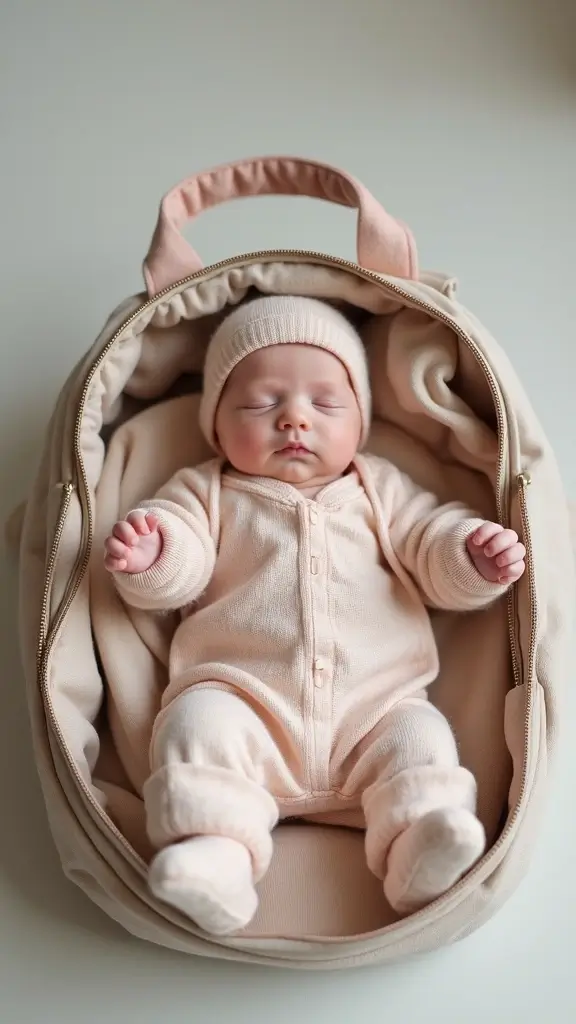
Your baby needs a clean, soft outfit for the ride home. Choose a one-piece sleeper or a onesie with a zip-up front. Snaps and zippers are much easier to manage than buttons when you are tired and moving slowly.
Pick a size that fits a newborn, but also pack a three-month size as a backup. Babies vary in size at birth, and a too-small outfit can cause stress right when you need calm.
2. Checklist and Notes
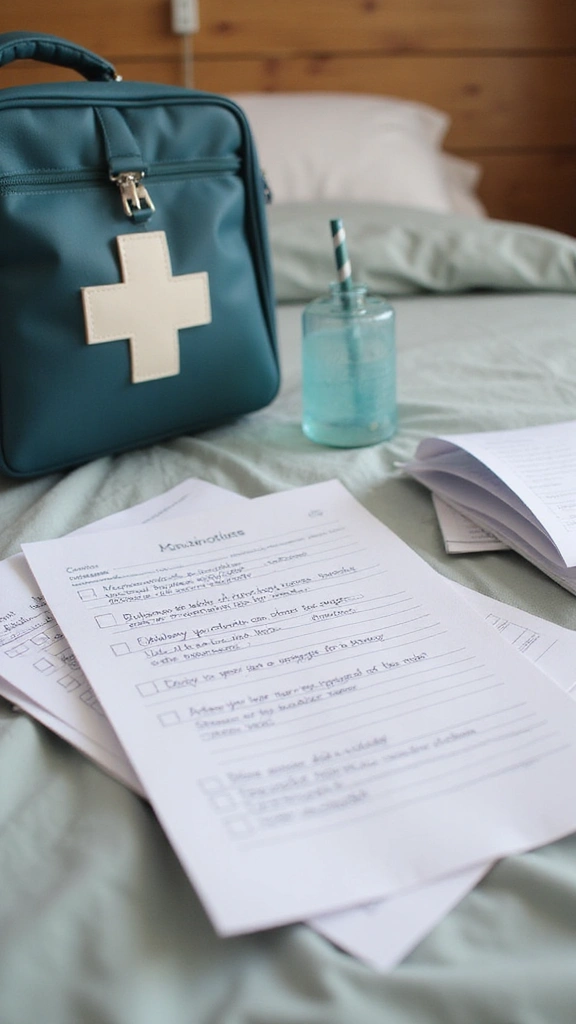
A printed checklist keeps you organized when your mind is elsewhere. Write down your questions for the doctor, your baby’s feeding times, and any instructions the nurses give you. Paper does not need a battery.
Keep a small notepad or a printed sheet in an easy-to-reach pocket of your bag. You will be surprised how much information comes at you in a short time during your hospital stay.
3. Personal Items for Comfort

Pack your own toiletries. Hospitals provide the basics, but your own shampoo, face wash, lip balm, and lotion make a real difference. Familiar scents and textures help you feel more like yourself.
Do not forget a hair tie, a toothbrush, and deodorant. Small comforts add up fast when you are spending two or more days away from home.
4. A Good Book or Magazine

Labor and recovery involve a lot of waiting. A book or magazine gives you something to focus on between contractions or during quiet moments after delivery. Choose something light and easy to read.
A physical book works well because it does not need charging. If you prefer digital, load a few titles onto your tablet or e-reader before you leave home.
5. Favorite Blanket or Comfort Item
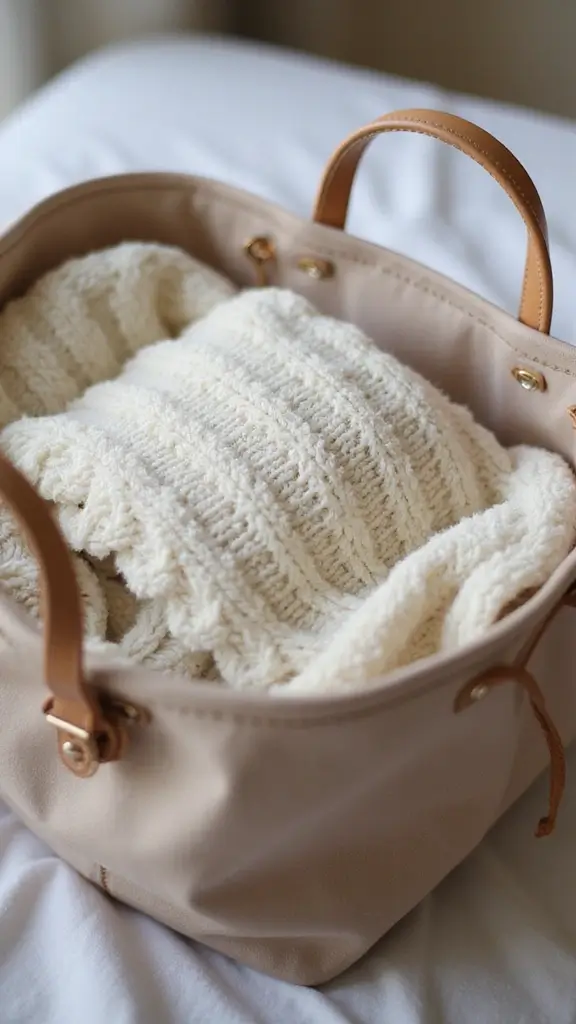
A blanket from home adds warmth and familiarity to a clinical environment. Hospital rooms can feel cold and impersonal. Your own blanket changes that quickly.
This also applies to a small stuffed animal or any comfort object that helps you relax. Bring something soft and easy to wash in case it gets soiled during your stay.
6. Breastfeeding Journal

A breastfeeding journal helps you track feeding sessions from day one. You can log which side you nursed on, how long each session lasted, and how your baby responded. This information is useful for your pediatrician at the first checkup.
Many new mothers find that writing things down reduces anxiety. When you can see a pattern forming, it is easier to feel confident about how feeding is going.
7. Extra Bag for Baby Gear

Hospitals send you home with more than you arrive with. Diapers, formula samples, pamphlets, and gifts from visitors all add up. An extra tote bag or foldable duffel gives you space to carry everything out without scrambling.
Keep the extra bag flat at the bottom of your main bag. It takes up almost no space going in, but it becomes very useful on discharge day.
8. Travel Pillow
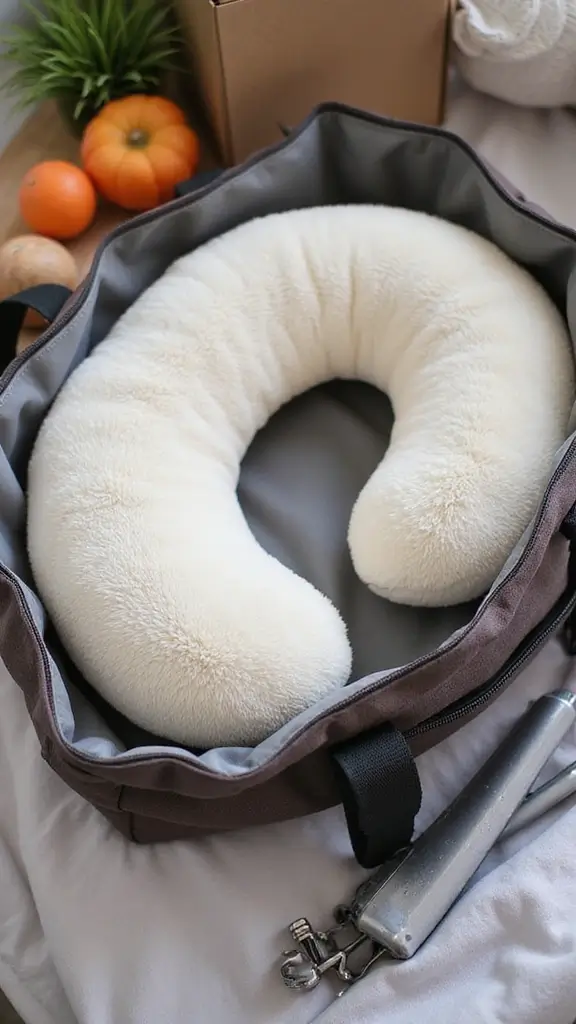
Hospital pillows are thin and often uncomfortable. A travel pillow supports your neck during labor, rest periods, and the car ride home. It is a small item that makes a noticeable difference.
A U-shaped neck pillow works well for sitting up in a hospital bed. It also doubles as support for breastfeeding in the early sessions before you get the hang of positioning.
9. Baby Care Instructions
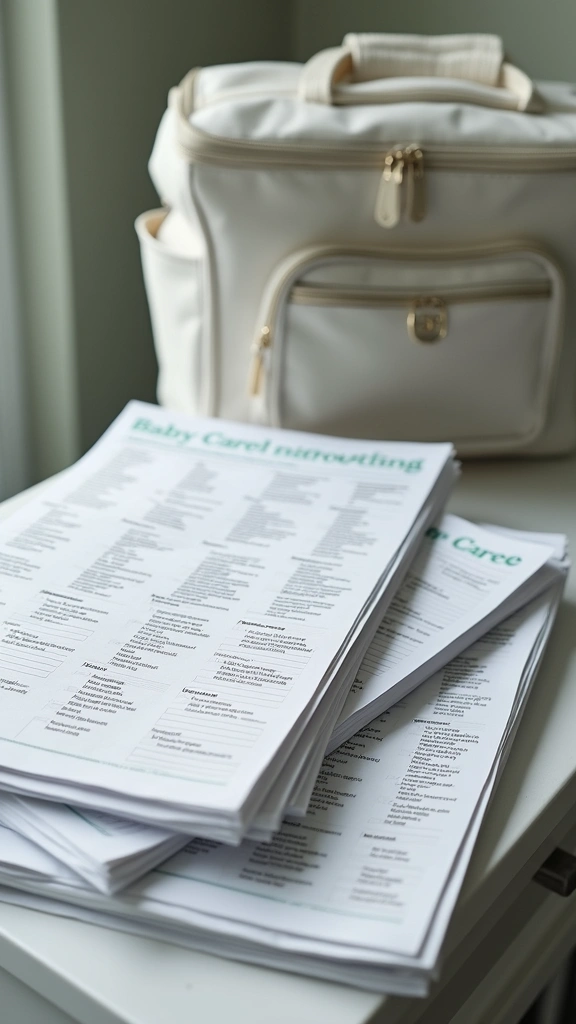
Before you leave the hospital, nurses will walk you through newborn care basics. Having a printed reference sheet or a small guide in your bag means you can review those steps at home without relying on memory alone.
Topics like umbilical cord care, safe sleep positions, and diaper rash prevention are easy to forget under sleep deprivation. A simple reference card keeps that information close.
10. Essential Oils or Relaxation Tools

Some mothers find that calming scents help during labor. Lavender and peppermint are two common choices. A small roller bottle or a personal inhaler takes up almost no space in your bag.
Check with your hospital before using any diffuser, as open-air diffusers are often restricted in shared spaces. A personal inhaler or a drop on a cloth keeps the scent contained to your space.
11. Camera or Video Recorder
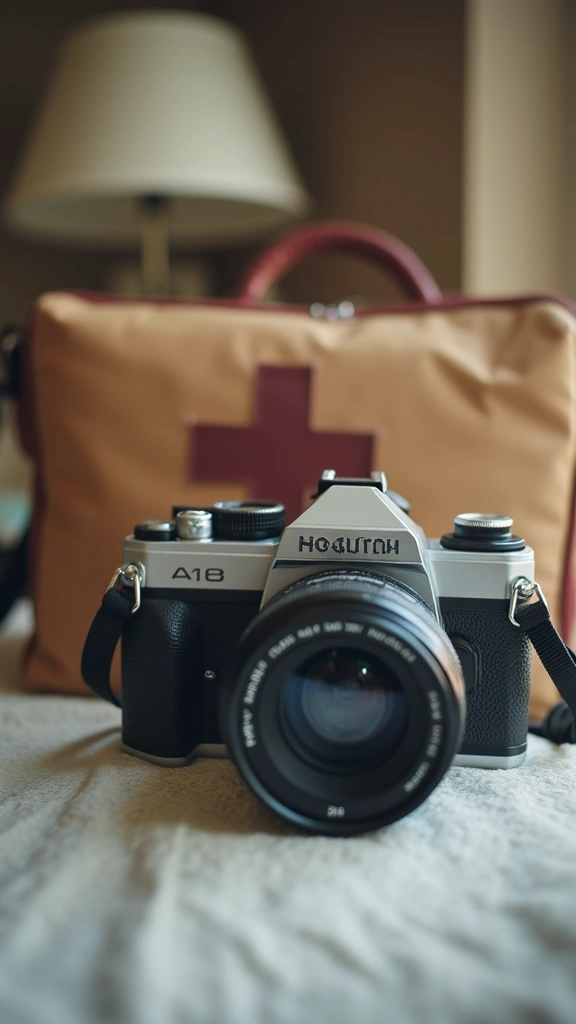
Your phone camera is good, but a dedicated camera or video recorder captures higher quality memories. The first hours after birth go by fast. Having a camera ready means you do not miss those early moments.
Charge your camera fully before you leave home. Bring the charging cable and an extra memory card. Do not rely on hospital Wi-Fi to back up your photos in real time.
12. Birth Plan
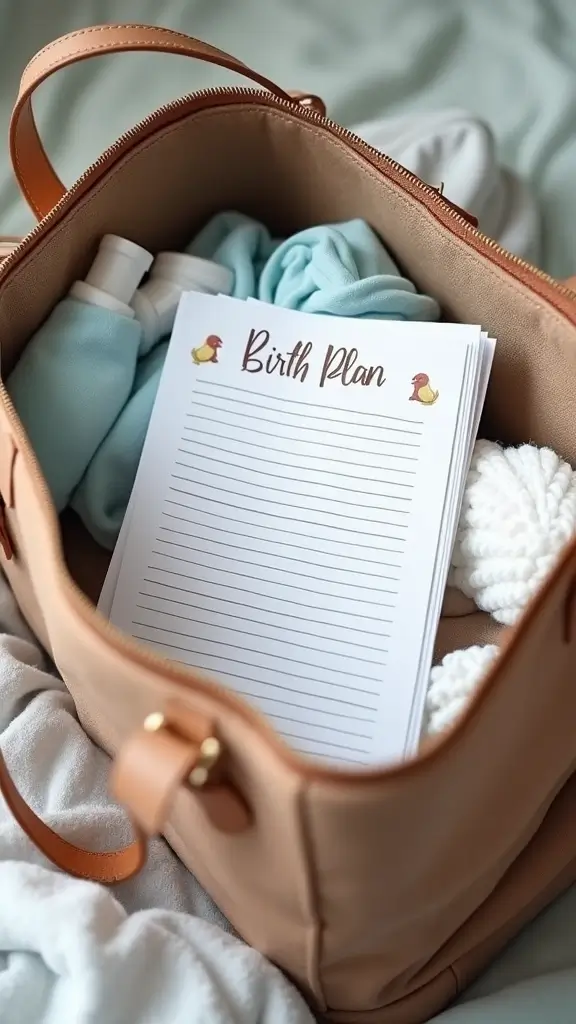
A written birth plan tells your care team your preferences clearly. It covers pain management choices, who you want in the room, your stance on interventions, and your wishes for skin-to-skin contact after delivery.
Keep it short, one page at most. Print several copies so your nurse, doctor, and support person each have one. A clear plan reduces confusion and helps everyone stay on the same page.
13. Postpartum Recovery Supplies

Recovery after birth takes time and the right supplies help. Pack items like witch hazel pads, a peri bottle, comfortable mesh underwear, and maxi pads. Hospitals provide some of these, but having your own means you are not waiting on a nurse for every small need.
A small tube of nipple cream is also worth including if you plan to breastfeed. Start using it early to prevent soreness during the first days of nursing.
14. Comfy Slippers
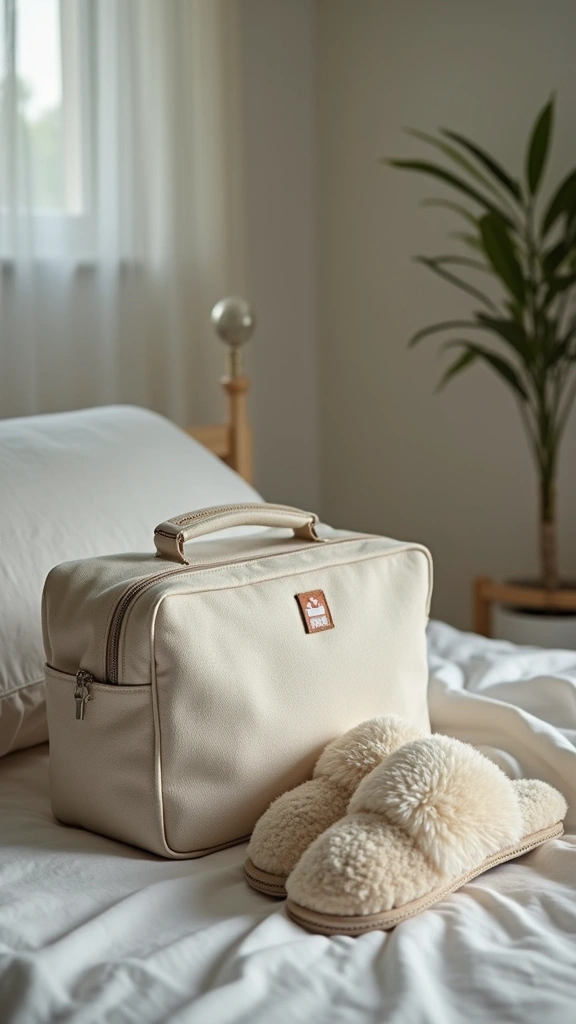
Hospital floors are hard and cold. A pair of non-slip slippers keeps your feet warm and protects you from slipping when you get up to walk the halls. Walking after delivery is encouraged and slippers make it more comfortable.
Choose slippers with a rubber sole for grip. Soft, washable fabric is a bonus since hospital stays can get messy. Leave your good slippers at home and bring a pair you do not mind replacing.
15. Breastfeeding Supplies
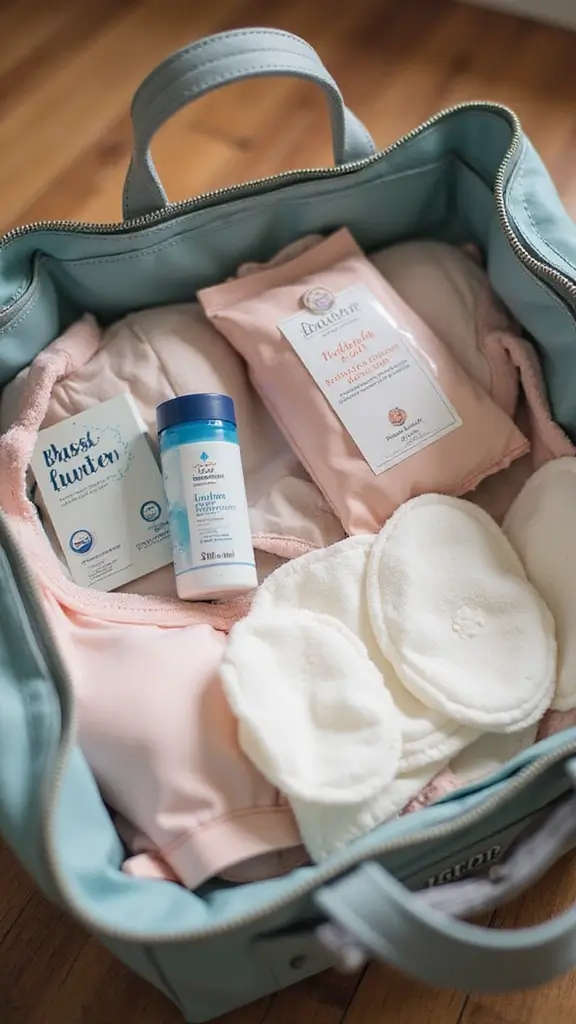
Pack a nursing bra, breast pads, and nipple cream in your bag. These three items cover the basics for the first days of breastfeeding. A nursing bra with easy-open clasps makes feeding faster and less frustrating.
Breast pads prevent leaking through your clothes, which can start earlier than most new mothers expect. Having them ready from day one saves you from an uncomfortable situation during your hospital stay.
Final Packing Tips
Pack your bag by week 35. Keep it near the door so you can grab it quickly. Split items into two bags if needed: one for labor and one for recovery. Label each bag clearly so your support person can find things fast.
Go through this list one more time before you head to the hospital. A calm, organized bag means one less thing to worry about on one of the most important days of your life.




Leave a Reply