Confusion shows up on our faces before we speak. A raised eyebrow, a tilted head, a slight squint. These micro expressions happen in milliseconds and reveal what we truly think. Scientists have studied facial expressions for decades and found that confusion follows predictable patterns across cultures. Our brains process information constantly, and when something doesn’t match our expectations, our face reacts. Understanding these signals helps us read people better in conversations, meetings, and everyday interactions. The human face contains 43 muscles, and confusion activates a specific combination of them. This article breaks down the science behind confused expressions you see and make every day.
1. The Complete Blank Stare

When someone says something that makes zero sense, your brain enters a processing loop. The blank stare happens because your mind is working overtime to decode the message. Your eyes widen slightly, your mouth relaxes, and your facial muscles go neutral. This expression signals that the information hasn’t landed yet. Neuroscientists call this the “cognitive load” phase. Your brain is too busy trying to understand to manage your face. The blank stare often precedes a question. You’re not angry or dismissive. You’re genuinely stuck.
2. The Skeptical Squint

Skepticism lives in the eyes. When you don’t believe something, your eyelids narrow and your eyebrows pull inward. This expression evolved as a protective mechanism. Narrowing your eyes helps you focus and assess threats. Your brain is essentially saying “I need to look closer at this.” The squint combines with a slight head tilt to create maximum doubt. This look appears instantly when someone makes an outrageous claim. You can’t control it. Your facial muscles respond before your conscious mind decides how to react.
3. The Lost Translation Moment
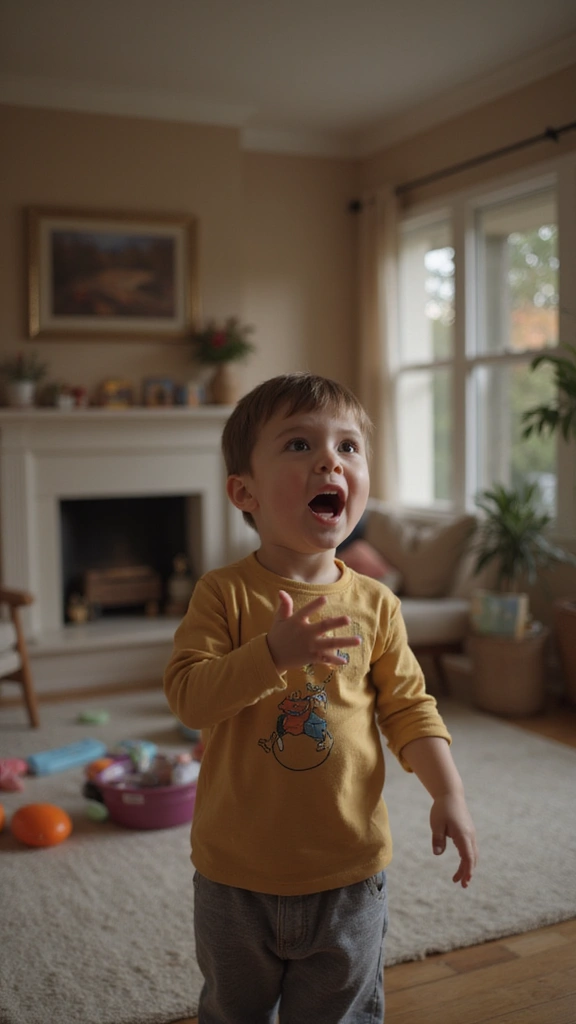
Language barriers create a unique type of confusion. Your brain recognizes words but can’t connect them to meaning. Your forehead wrinkles, your eyes dart slightly, and your mouth opens just a bit. This expression happens when you’re trying to translate in real time. The effort shows on your face because your cognitive resources are maxed out. People often tilt their heads during this expression. The head tilt is a universal signal that says “I’m trying to understand.”
4. The Delayed Reaction

Sometimes confusion arrives late. Someone says something, and you smile or nod. Then two seconds later, your brain catches up and realizes what they said makes no sense. Your eyes widen, your eyebrows shoot up, and your mouth opens. This delayed confusion expression is involuntary and often funny to watch. The delay happens because your brain processes information in layers. First comes the surface level. Then comes the deeper analysis. When the deeper analysis contradicts the surface level, your face reacts with surprise.
5. The Searching Stare

When you’re trying to remember something or understand a concept, your eyes move. They often look up and to the side. This is called the “accessing memory” expression. Your eyes aren’t actually looking at anything. Your brain is searching its files. The searching stare shows effort and concentration. Your eyebrows often furrow during this expression. Your mouth might open slightly as if you’re about to speak but haven’t found the words yet. This look signals that you’re engaged and thinking hard.
6.The Understanding Nod

The understanding nod appears when confusion finally resolves. Your head moves up and down slowly. Your eyebrows relax and your mouth softens. This expression shows that you’ve moved from confusion to comprehension. Your brain has processed the information and accepted it. The understanding nod is a sign of closure. This expression often appears at the end of explanations or clarifications. Your head nods as you accept and understand new information.
7. The Questioning Tilt

The head tilt is one of the most recognizable confused expressions. You angle your head to one side, usually about 15 to 20 degrees. This simple movement signals that you’re confused and open to more information. Your brain uses the head tilt to adjust your perspective literally and figuratively. It’s a submissive gesture that says “I’m listening and I need help understanding.” When humans tilt their heads, they also often raise one eyebrow and open their mouth slightly. This combination creates the classic “I don’t get it” look.
8. The Furrowed Brow

Your forehead is a confusion billboard. When you’re confused, the muscles between your eyebrows contract and create vertical lines. This furrowed brow expression shows intense mental effort. The deeper the furrow, the more confused you are. This expression appears when you’re trying to solve a problem or understand something complex. The furrowed brow combines with other facial features to create different types of confusion. Paired with a downturned mouth, it shows frustration. Paired with raised eyebrows, it shows surprise.
9. The Slack Jaw

When confusion hits hard, your jaw drops. Your mouth opens and your lips relax. This slack jaw expression signals that you’re completely taken aback. Your brain has essentially shut down your mouth muscles because it’s too busy processing. The slack jaw is a sign of maximum cognitive overload. This expression often appears with wide eyes and raised eyebrows. Together, they create the look of total shock. Your jaw drops because the muscles that control it are connected to your emotional processing centers.
10. The Squinted Eyes

Squinting during confusion serves a purpose. Your eyes narrow to help you focus and see more clearly. This expression appears when you’re trying to read something small or understand something unclear. Your brain is essentially saying “I need to look harder at this.” When paired with a furrowed brow, squinting shows intense concentration. When paired with a head tilt, it shows gentle confusion. Your eyes naturally narrow when you’re thinking hard about something.
11. The Raised Eyebrow

One raised eyebrow is a powerful confused expression. This movement signals doubt, surprise, or skepticism. Your brain controls each eyebrow independently, so raising just one takes practice. The single raised eyebrow is often called the “really?” expression. It says more than words can. This expression appears when someone says something unexpected or questionable. Your eyebrow rises involuntarily in response to cognitive dissonance. People perceive those who raise their eyebrows as more analytical and critical.
12. The Nose Scrunch

Your nose wrinkles when you’re confused and slightly disgusted. This expression combines confusion with a touch of disdain. Your nose muscles contract and create visible wrinkles. This happens when you hear something that doesn’t just confuse you but also bothers you. The nose scrunch is often paired with a slight head shake. This expression appears when someone says something offensive or ridiculous. Your face reacts with both confusion and rejection.
13. The Lip Purse

When you’re confused and trying not to speak, your lips purse. Your mouth tightens and your lips press together. This expression signals that you’re holding back a question or comment. Your brain is telling your mouth to stay closed while you process. The lip purse shows restraint and careful thinking. This expression often appears in professional settings where you need to think before speaking. People who purse their lips during confusion are often perceived as intelligent and cautious.
14. The Wide Eyes

Wide eyes are the universal sign of surprise and confusion. Your eyelids open fully and your eyes appear larger. This expression happens when your brain receives unexpected information. Your eyes widen to take in more visual information. This is an automatic response that helps you assess new situations. Wide eyes combined with raised eyebrows create maximum surprise. Your pupils also dilate slightly during confusion, which makes your eyes appear even wider.
15. The Mouth Open
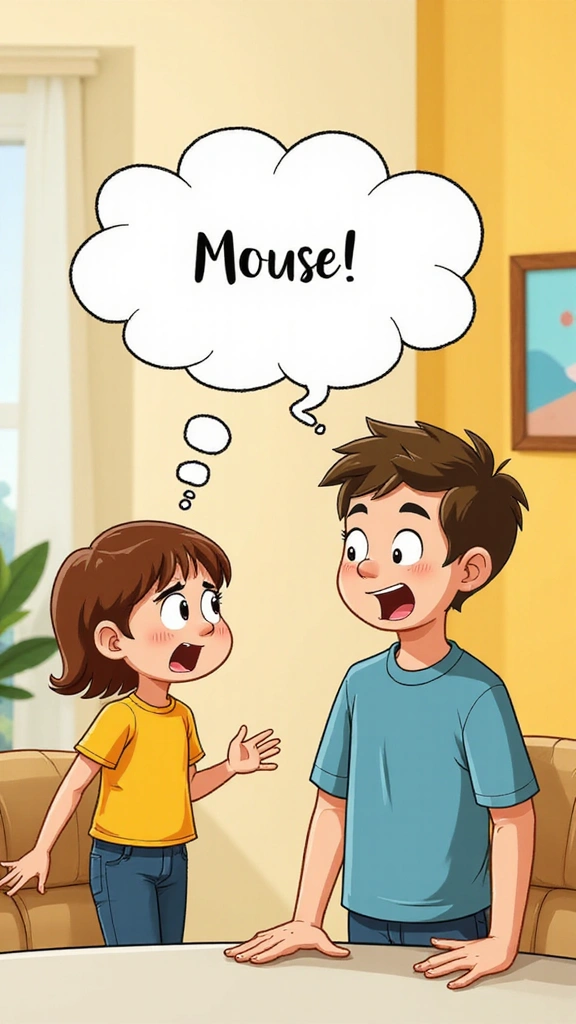
An open mouth during confusion signals that you’re about to speak but haven’t found the words. Your mouth opens as if you’re going to say something, but nothing comes out. This expression shows that your brain is working faster than your mouth. You have thoughts but can’t articulate them yet. This expression often appears with raised eyebrows and wide eyes. Together, they create the look of someone who is shocked and confused.
16. The Head Shake

A side to side head shake combined with confusion shows disagreement or disbelief. Your head moves back and forth as you process information that doesn’t match your expectations. This expression signals that something doesn’t add up. Your brain is essentially saying “This doesn’t make sense.” The head shake is often involuntary. The head shake combined with a furrowed brow shows strong disagreement. Combined with a slight smile, it shows gentle confusion.
17. The Shoulder Shrug

When you shrug your shoulders during confusion, you’re signaling that you don’t know the answer. Your shoulders rise toward your ears and your palms often turn upward. This expression is universal across cultures. It says “I have no idea.” The shoulder shrug combined with a confused face shows complete uncertainty. This expression appears when someone asks you a question you can’t answer. Your shoulders rise involuntarily as your brain signals that you lack information.
18. The Squinted Smile

Sometimes confusion comes with a smile. Your eyes squint, your mouth curves slightly upward, and your head tilts. This expression shows polite confusion. You’re confused but not upset. This look often appears in social situations where you don’t want to seem rude or aggressive. Your brain is trying to maintain a friendly demeanor while processing confusing information. This expression is common in customer service and professional settings. People perceive this expression as friendly and approachable.
19. The Blank Stare Ahead

A blank stare straight ahead shows that your brain has temporarily shut down. Your eyes focus on nothing in particular. Your face goes completely neutral. This expression appears when you receive information that is too much to process. Your brain essentially freezes while it tries to make sense of things. This expression is different from the searching stare because your eyes don’t move. You’re not looking for anything. You’re just staring blankly while your brain works.
20. The Lip Bite

When you bite your lip during confusion, you’re showing nervousness and uncertainty. Your teeth gently press into your lower lip. This expression signals that you’re anxious about the situation. Your brain is processing information while also managing stress. The lip bite is often involuntary and reveals your true emotional state. This expression appears when you’re confused and worried about the implications. The lip bite combined with furrowed brows shows serious concern.
21. The Raised Eyebrows

Both eyebrows raised high on your forehead signal surprise and confusion. Your forehead wrinkles and your eyes open wide. This expression shows that something has caught you completely off guard. Your brain is processing unexpected information. The raised eyebrows make you look younger and more vulnerable. This expression appears when you hear shocking news or unexpected statements. Your eyebrows shoot up involuntarily. This look combined with an open mouth creates maximum surprise.
22. The Realization Face

The realization face appears when confusion suddenly transforms into understanding. Your eyes widen, your eyebrows raise, and your mouth opens slightly. This expression shows that something just clicked. Your brain has finally connected the dots. The realization face is often followed by a nod or a verbal acknowledgment. This expression is satisfying to watch because it shows the moment confusion ends. Your face lights up as understanding arrives.
23. The Confused Laugh

Sometimes confusion comes with laughter. Your mouth curves upward, your eyes crinkle, and you let out a small laugh. This expression shows that you find the confusion amusing or absurd. Your brain is processing confusion while also finding humor in the situation. The confused laugh is a coping mechanism. This expression appears when someone says something so confusing that it becomes funny. The confused laugh combined with a head shake shows that you find something ridiculous.
24. The Processing Pause

The processing pause is when your face goes still while your brain works. Your expression becomes neutral and your eyes focus inward. You’re not looking at anything external. You’re looking at your thoughts. This expression shows that you’re taking time to understand. Your brain needs a moment to organize information. This expression often appears during complex conversations or when receiving detailed information. Your face goes quiet while your mind processes.

Leave a Reply