Sister bonds run deeper than most relationships. Research in psychology and neuroscience reveals that the sibling connection activates unique neural pathways tied to trust, loyalty, and emotional regulation. Sisters who grow up together develop shared reference points, inside jokes, and unspoken understanding that outsiders rarely penetrate.
The science shows that sisters provide measurable benefits to mental health, resilience, and long term wellbeing. They serve as mirrors during identity formation, witnesses to our growth, and anchors during life’s storms. Unlike friendships that depend on proximity or choice, sister relationships are rooted in biology, shared history, and family systems that shape who we become.
This article explores the neurological, psychological, and social mechanisms that make sister bonds so powerful. From childhood development through adulthood, we’ll examine how sisters influence emotional safety, self esteem, and our capacity to navigate change. Understanding the science behind these bonds helps us appreciate their value and invest in nurturing them with intention.
1. Support Systems During Major Life Transitions

Major life events test relationships. When sisters stand beside each other through moves, career shifts, relationship changes, or loss, they activate a biological stress response system that calms the nervous system. The presence of a trusted sister literally lowers cortisol levels and activates the parasympathetic nervous system, the body’s natural relaxation response.
Sisters who support each other through transitions create what researchers call “secure attachment” in adulthood. This security extends beyond the moment of crisis. It builds a foundation of trust that makes future challenges feel less isolating. The sister who shows up during upheaval becomes a reference point for what unconditional presence looks like.
2. The Power of Shared Memories

Shared memories form the backbone of sister relationships. When two people grow up in the same household, they accumulate thousands of moments only they understand. A single phrase, song, or family story can transport both sisters back to a specific moment, triggering laughter, tears, or recognition that no one else can provide.
Neuroscience shows that shared memories strengthen neural connections between people. When sisters recall events together, they’re literally synchronizing their brains. This process reinforces emotional bonds and creates what psychologists call “narrative coherence” about family identity. The sister who remembers your childhood self helps you integrate all the versions of yourself you’ve been.
3. Navigating Identity Formation Together
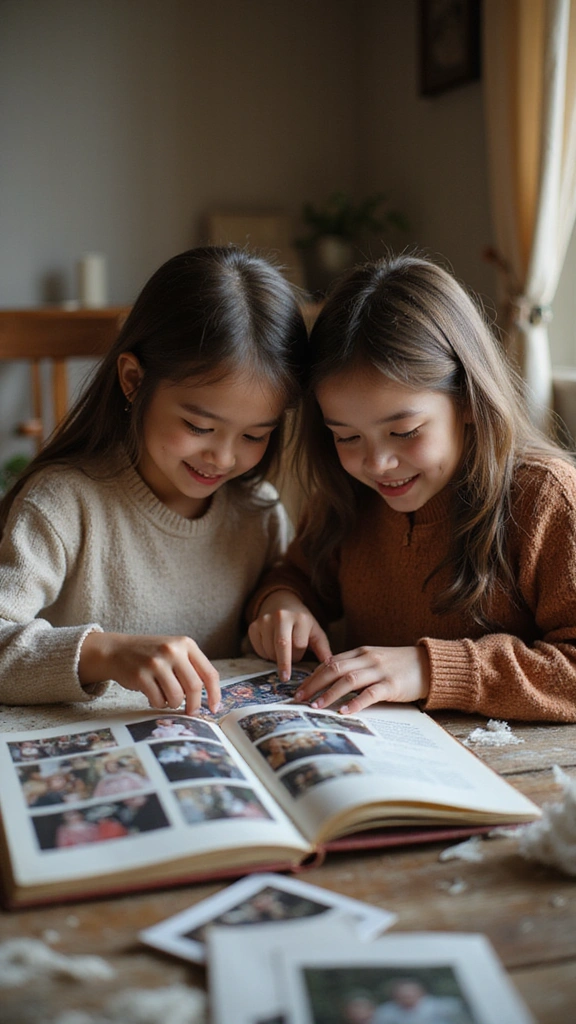
Identity formation happens in the presence of others. Sisters serve as mirrors during adolescence and young adulthood, reflecting back who we are becoming. A sister might say, “That’s not like you,” or “I’ve never seen you so confident,” offering external validation of internal changes.
This mirroring function is neurologically significant. The brain develops a sense of self partly through how others respond to us. Sisters who witness and affirm each other’s growth strengthen each other’s sense of identity. They provide what attachment theorists call “mentalization” the ability to understand oneself and others as having thoughts, feelings, and intentions. This skill, developed early with a sister, transfers to all future relationships.
4. Built in Friendship and Companionship
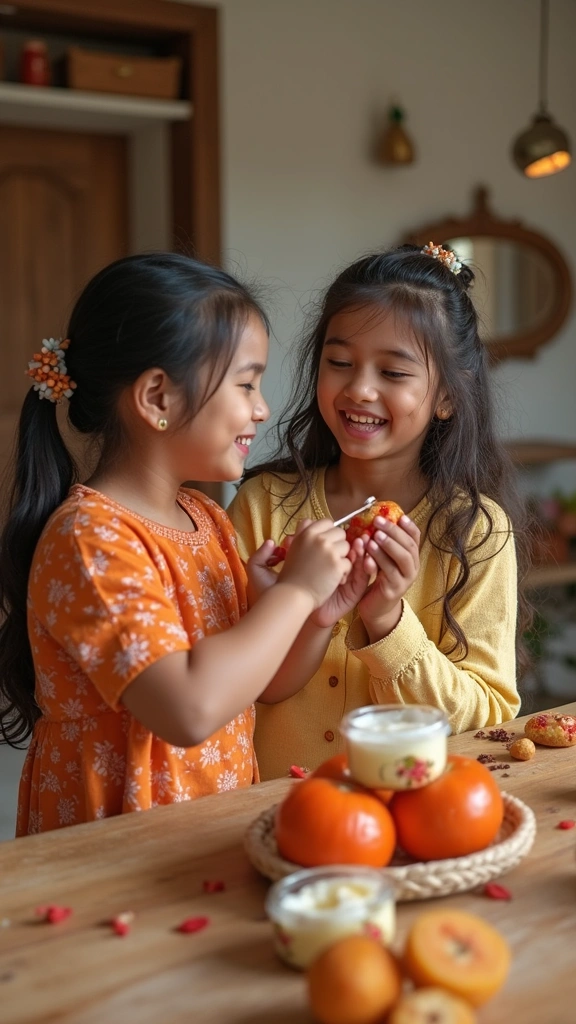
Unlike friendships that require effort to maintain, sister relationships exist by default. This proximity creates natural opportunities for bonding. Sisters who play together, study together, and navigate social hierarchies together develop a friendship that has no expiration date.
The built in nature of sisterhood means sisters often become each other’s first best friend. They practice conflict resolution, negotiation, and compromise in a low stakes environment. These early friendship skills transfer to peer relationships at school and beyond. A sister who knows your quirks, your fears, and your dreams becomes a safe person to practice being yourself with before facing the wider world.
5. Lifelong Friendship and Continuity
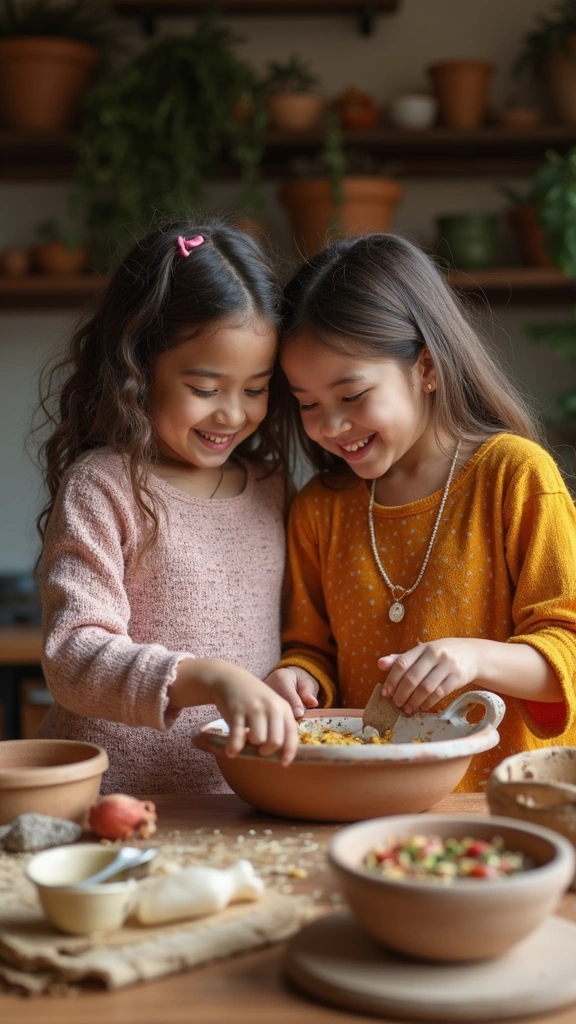
Sister relationships span decades. Unlike friendships that may fade after school or career changes, sisters remain connected through life’s chapters. This continuity creates what researchers call “relational continuity,” a sense that someone knows your whole story across time.
Longitudinal studies show that sisters who maintain close relationships in adulthood report higher life satisfaction and lower rates of depression and anxiety. The sister who knew you at age eight, eighteen, and thirty eight provides a unique form of validation. She’s witnessed your consistency and your growth. She knows which struggles are new and which are patterns. This long view perspective helps sisters offer grounded, contextual support that newer relationships cannot.
6. Unmatched Emotional Support and Validation
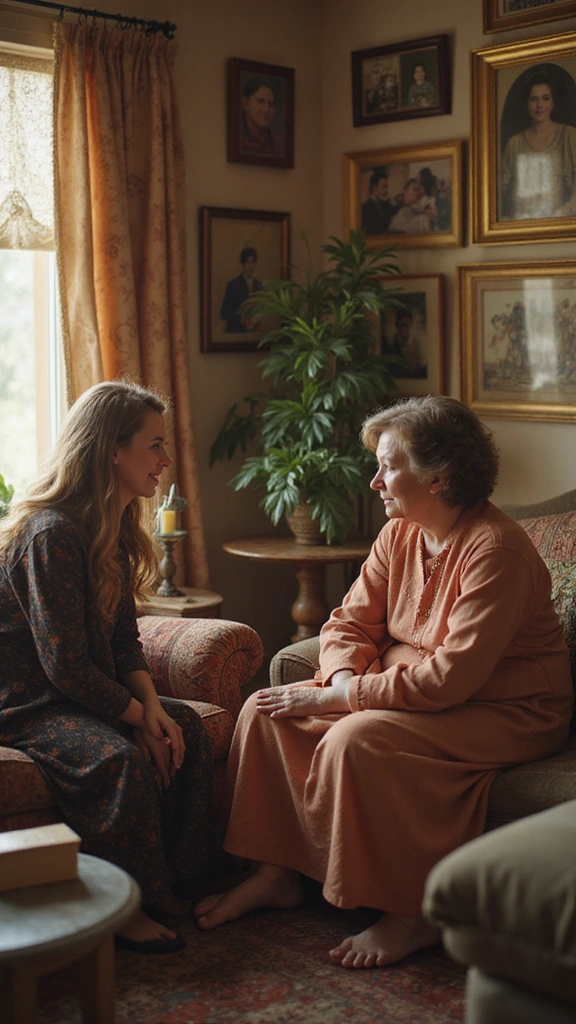
Sisters provide emotional support without the filters that often accompany other relationships. A sister doesn’t need you to be strong or composed. She’s seen you at your worst and loves you anyway. This unconditional acceptance creates a safe space for emotional expression that’s rare in adult life.
The neurochemistry of sister support is measurable. When a sister listens without judgment, the brain releases oxytocin, the bonding hormone. This chemical response reduces anxiety and increases feelings of safety. Over time, repeated experiences of being heard and validated by a sister rewire the brain’s threat detection system. You learn that vulnerability is survivable, that emotions can be expressed without abandonment, and that you are worthy of care.
7. Lasting Legacy of Love and Values
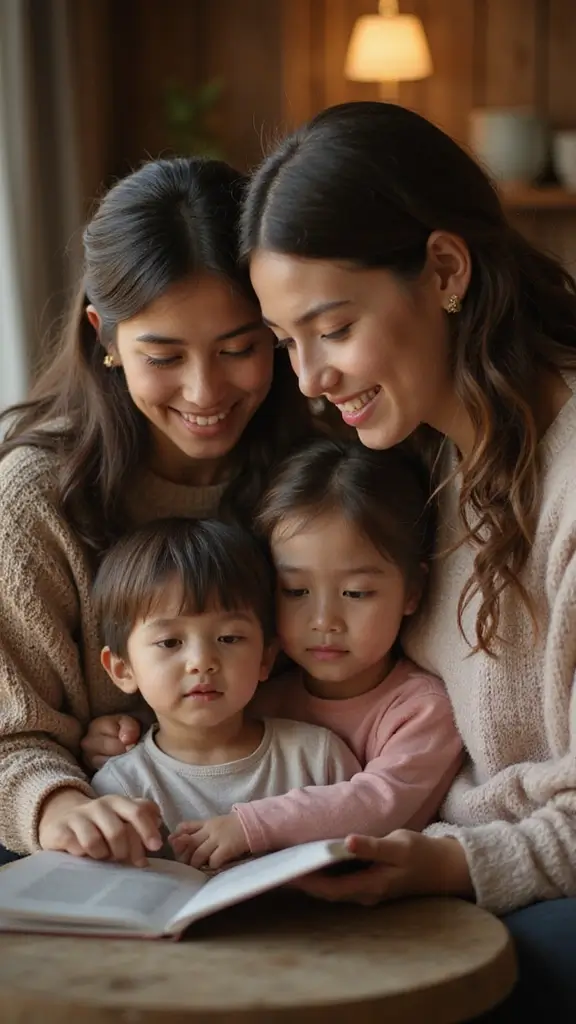
Sisters inherit family values, traditions, and stories together. They become custodians of family history and meaning. When sisters consciously honor and pass down family traditions, they create continuity across generations. This legacy work strengthens the sister bond while also connecting them to something larger than themselves.
Research on intergenerational transmission shows that siblings who share family narratives and values develop stronger identities and greater resilience. Sisters who discuss family history, acknowledge family patterns, and choose which traditions to carry forward are engaging in what psychologists call “narrative therapy.” This process helps both sisters make sense of their past and intentionally shape their future. The sister relationship becomes a vehicle for meaning making and legacy building.
8. Building a Future Together

Sisters often influence each other’s life trajectories. A sister’s belief in your potential can shift your confidence and choices. When sisters encourage each other to pursue education, career goals, or personal dreams, they expand each other’s sense of what’s possible.
The support sisters provide for future planning is both emotional and practical. One sister might offer encouragement while another offers logistical help. Together, they create a support structure that makes ambitious goals feel achievable. Research on social support shows that having someone who believes in your future significantly increases the likelihood of achieving goals. Sisters who actively invest in each other’s futures create what researchers call “mutual scaffolding,” where each person’s growth supports the other’s development.
9. Collective Resilience and Strength

Resilience is not an individual trait but a relational one. Sisters who face adversity together develop what researchers call “collective efficacy,” a shared belief that together they can handle challenges. This belief becomes self fulfilling. When sisters approach problems as a team, they access more resources, perspectives, and emotional reserves.
The neurobiological basis of collective resilience involves mirror neurons and emotional contagion. When one sister demonstrates calm, the other’s nervous system begins to regulate. When one sister shows courage, the other finds her own bravery. This mutual regulation creates a feedback loop where resilience builds on itself. Sisters who have weathered storms together develop an unshakeable confidence in their ability to handle future challenges.
10. Celebrating Individual Strengths and Differences

Sisters are different people with different gifts. The healthiest sister relationships celebrate these differences rather than compete over them. When sisters recognize that one is the creative one, another the analytical one, and a third the social connector, they stop comparing and start complementing.
This appreciation of difference is developmentally significant. Sisters learn early that people can be different and equally valuable. This lesson transfers to how they relate to others throughout life. Sisters who celebrate each other’s strengths also develop stronger self esteem. When your sister admires your talents without envy, you internalize the message that your gifts matter. You also learn to admire others without diminishing yourself, a skill that strengthens all relationships.
11. Fostering a Sense of Belonging

Belonging is a fundamental human need. Sisters provide a built in sense of belonging that doesn’t require audition or performance. You belong to your sister simply because you share a family. This unconditional belonging is psychologically protective.
Research on belonging shows that people with strong family connections have better mental health outcomes, stronger immune function, and greater longevity. Sisters who actively foster belonging create what psychologists call “family identity,” a sense of being part of something meaningful. This identity becomes an anchor during times of isolation or disconnection from other groups. The sister who says, “You’re a [family name], and that means something,” is providing more than sentiment. She’s offering a psychological resource that buffers against loneliness and disconnection.
12. Shared Parenting Experiences and Wisdom
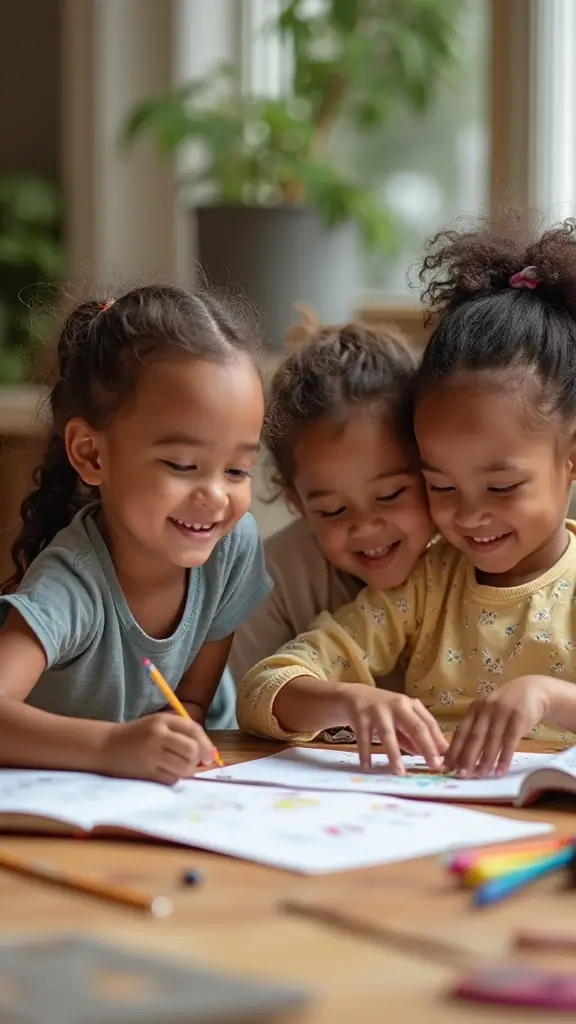
Sisters who become mothers often share the parenting journey. One sister’s experience becomes a resource for another. The sister who navigated newborn sleep deprivation can offer practical wisdom. The sister who struggled with toddler tantrums can normalize the chaos. This shared knowledge reduces isolation and increases confidence.
The neurological benefit of shared parenting wisdom involves what researchers call “cognitive offloading.” When you can rely on a sister’s experience, your brain doesn’t have to generate all solutions from scratch. This frees mental resources for other aspects of parenting and life. Sisters who share parenting experiences also model for their children what healthy female relationships look like. Children who see their mother and aunt supporting each other develop stronger social skills and healthier relationship expectations.
13. Creating a Sense of Belonging and Home
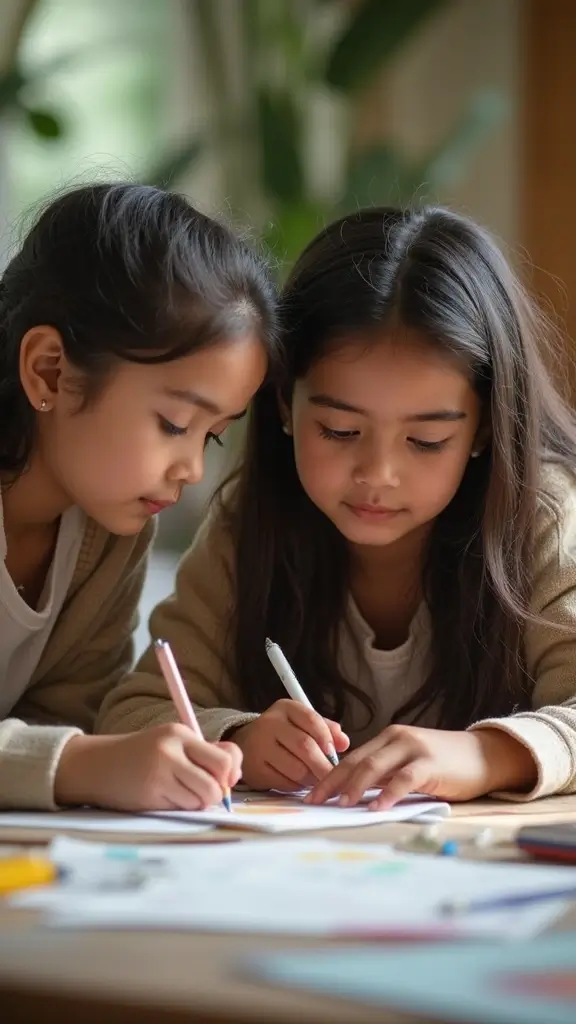
Home is not just a place but a feeling. Sisters create this feeling for each other. The sister who knows your favorite foods, your comfort rituals, and your need for space creates a sense of home wherever you are together. This emotional home is psychologically restorative.
Attachment theory emphasizes that secure relationships create a “secure base” from which people can explore the world. Sisters serve this function throughout life. The knowledge that a sister exists, that she knows you, and that she’s available creates a psychological anchor. This anchor allows you to take risks, pursue goals, and explore new identities with greater confidence. The sister relationship becomes a home base that makes the wider world feel less threatening.
14. Emotional Safety Net and Trust

Trust develops through repeated experiences of reliability. Sisters who show up, keep confidences, and respond with care build deep trust. This trust is neurologically encoded. The brain learns that this person is safe, and the nervous system relaxes in her presence.
The safety that sisters provide is both emotional and existential. Emotionally, a sister offers a space where you can be honest about struggles, fears, and failures. Existentially, a sister’s presence confirms that you matter, that your life has meaning to someone, and that you’re not alone. This existential safety is particularly important during crises or transitions when the world feels unstable. The sister who remains steady becomes an anchor to reality and hope.
15. Unique Celebrations of Culture and Family Traditions
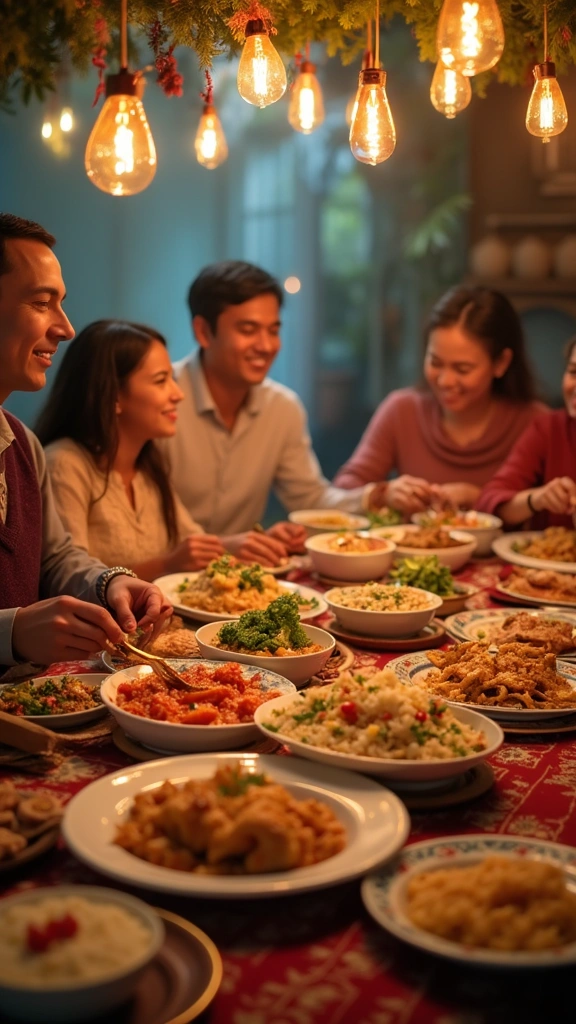
Sisters inherit and celebrate culture together. Whether it’s holiday traditions, food practices, language, or spiritual beliefs, sisters become keepers of cultural identity. When sisters consciously celebrate these traditions together, they strengthen both their individual cultural identity and their sister bond.
The psychological benefit of cultural celebration involves what researchers call “cultural continuity.” When sisters honor their heritage together, they develop stronger sense of identity and belonging. This is particularly significant for sisters from immigrant families or marginalized communities. Sisters who celebrate culture together also pass this practice to the next generation, creating intergenerational continuity. The sister who remembers grandmother’s recipes, speaks the family language, or honors family rituals becomes a bridge between past and future, strengthening the sister relationship while preserving family meaning.



Leave a Reply