
Long-distance relationships demand strategy, commitment, and tools that keep two people connected across miles. Whether separated by time zones or continents, the distance tests your bond in ways local couples never face. Yet thousands of couples thrive in long-distance arrangements. They’ve learned what works and what doesn’t. This article shares real strategies from couples who’ve made it last, plus expert guidance on communication, intimacy, and trust. You’ll discover practical methods to strengthen your relationship when physical proximity isn’t an option. These couples didn’t rely on luck. They built systems. They stayed intentional. They chose each other every single day. If you’re navigating this path, you’re not alone. These case studies and actionable tips will help you move from surviving the distance to thriving in it.
1. Celebrating Milestones Across the Miles

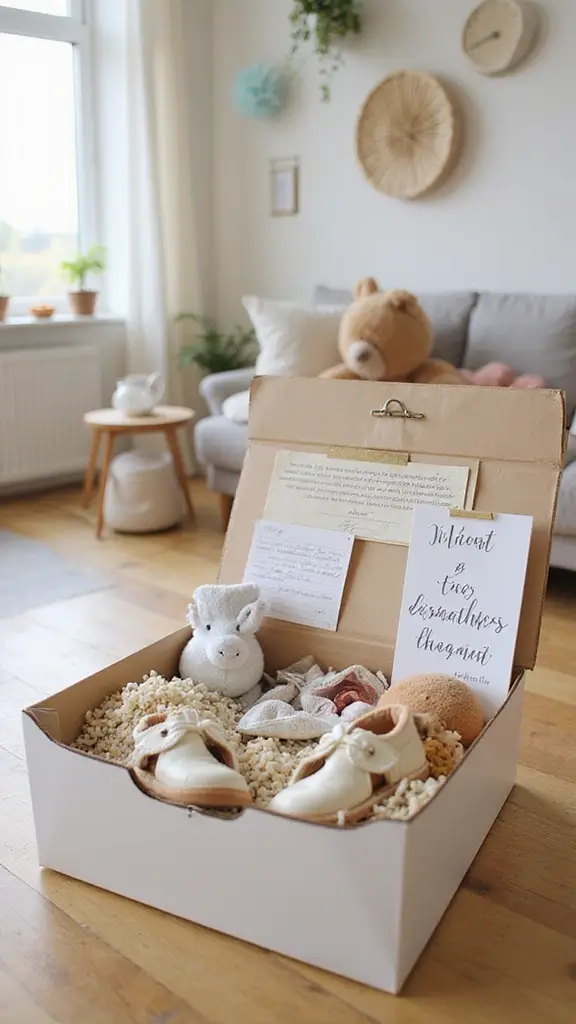
Long-distance couples struggle with marking important dates meaningfully. One couple solved this by planning elaborate virtual celebrations weeks in advance, coordinating special meals, dressing up for video calls, and timing gift arrivals to the exact day. Another pair created “anniversary boxes” sent months ahead with instructions to open items on specific dates leading up to the milestone. These approaches transform distance into an opportunity for creativity. The effort required often makes occasions more memorable than in-person celebrations. Couples report that intentional celebrations strengthen their bond because both partners feel valued and prioritized.
2. Building Connection Through Scheduled Video Dates
Consistency matters more than spontaneity in long-distance relationships. Couples who establish weekly video date nights report significantly higher satisfaction than those who communicate sporadically. One successful couple blocks off every Friday evening for a dedicated call, treating it like a non-negotiable appointment. They prepare by planning activities: cooking the same meal together, playing online games, or having dinner “together” on camera. Another pair uses their weekly call to discuss the week ahead, share concerns, and reconnect emotionally. The key is removing distractions. Phones on silent, no multitasking, full attention on each other. These structured moments create anchors in the week. Couples who skip this structure often report feeling disconnected and resentful.
3. The Power of Written Words

Handwritten letters carry weight that texts cannot match. One couple established a tradition of writing letters monthly, sharing thoughts they wouldn’t normally voice in conversation. These letters became treasured keepsakes, reread during difficult times. Another pair sends postcards from places they visit, creating a physical collection of their relationship journey. The act of writing forces slower, more intentional thinking. You must sit, reflect, and choose your words carefully. Recipients report that receiving handwritten mail feels deeply personal in ways email never does. These letters become evidence of commitment, proof that someone took time to think about you and put pen to paper.
4. Celebrating Child Milestones Together

For couples with children, distance adds complexity. Successful long-distance families create systems to include the absent parent in real time. One father attends his daughter’s soccer games via video call while the mother holds the phone from the sidelines. Another couple schedules milestone celebrations so both parents can participate, even remotely. They’ve learned that presence doesn’t always require physical proximity. A video call during a child’s birthday party, virtual attendance at a school recital, or scheduled FaceTime during homework time keeps the distant parent actively involved. Children benefit from knowing both parents prioritize their achievements. These families report that children develop stronger communication skills because they’re accustomed to connecting across distance.
5. Shared Learning Through Virtual Book Clubs

Couples need shared interests and intellectual connection. One long-distance couple started a two-person book club, selecting a book each month and discussing it during weekly calls. This gave them something substantive to talk about beyond daily logistics. Another pair expanded the concept to include friends and family, creating a larger virtual book club that met monthly. A third couple chose books related to relationships and parenting, using the reading as a springboard for important conversations they might otherwise avoid. Shared learning creates common ground. It gives you something to think about between calls. Couples report that these intellectual connections strengthen their emotional bond.
6. Coordinating Life With Shared Calendars
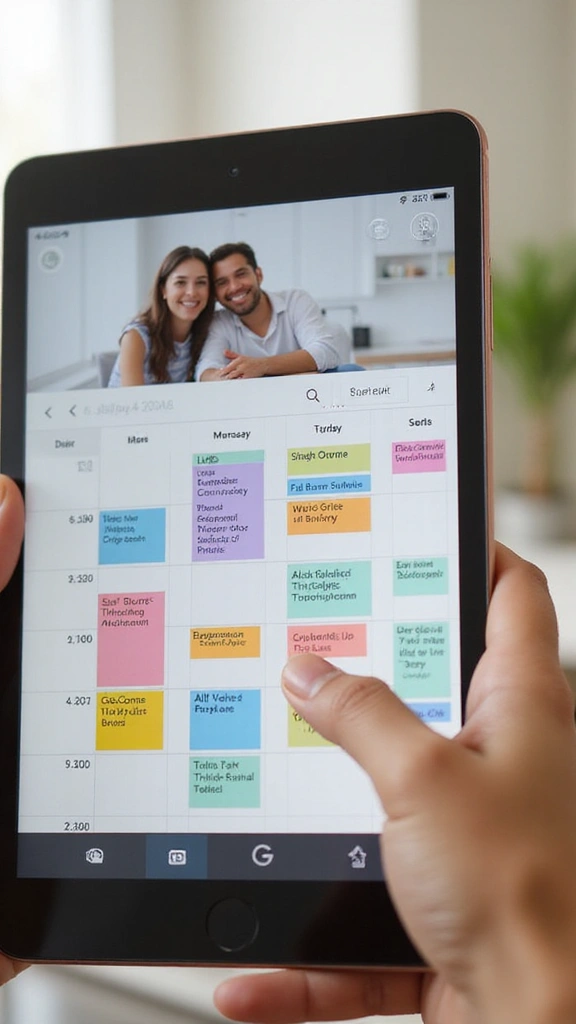
Logistics can derail long-distance relationships. Successful couples use shared digital calendars to track everything: visit dates, video call times, work deadlines, and personal commitments. One couple color-codes their calendar so each person’s schedule is visible at a glance. Another pair uses calendar reminders to ensure neither person forgets important dates. A third couple blocks out “couple time” on their shared calendar just as they would any other commitment. This removes the burden of constant negotiation. Both partners know when they’ll see each other next. This transparency reduces anxiety and builds trust. The calendar becomes a tool for showing respect for each other’s time and commitments.
7. Sending Surprise Care Packages

Physical tokens of affection matter in long-distance relationships. One woman sends her partner a care package every month, filled with his favorite snacks, a handwritten note, and small gifts. He reports that opening these packages feels like receiving a hug from across the distance. Another couple exchanges care packages on random dates, keeping the surprise element alive. A third pair includes items that reference inside jokes or shared memories, making each package deeply personal. Care packages serve multiple purposes. They’re tangible proof of love. They give you something to look forward to. They create moments of joy in the routine. The effort matters more than the cost.
8. Creating Together Through Joint Projects
Shared creative projects give long-distance couples something to build together. One pair started a collaborative playlist, each adding songs that reminded them of the other person. Over months, the playlist became a musical representation of their relationship. Another couple began a joint art project, taking turns adding to a digital canvas. A third pair wrote a story together, alternating chapters and building a narrative that reflected their relationship journey. These projects serve as ongoing conversations. They’re not finished in one sitting. They evolve over time. Couples report that these projects become treasured keepsakes, physical or digital evidence of their collaboration.
9. Growing Together With Online Courses

Long-distance couples benefit from shared learning experiences. One pair took an online communication course together, discussing what they learned and applying it to their relationship. Another couple enrolled in a parenting class, preparing for their future together. A third pair took a relationship-building course specifically designed for long-distance couples. These courses provide structure and expert guidance. They give you frameworks for discussing difficult topics. They normalize the challenges you’re facing by showing that other couples struggle with similar issues. Couples report that taking courses together demonstrates commitment to growth. The shared learning experience creates natural conversation topics.
10. Staying Connected Through Photo Challenges
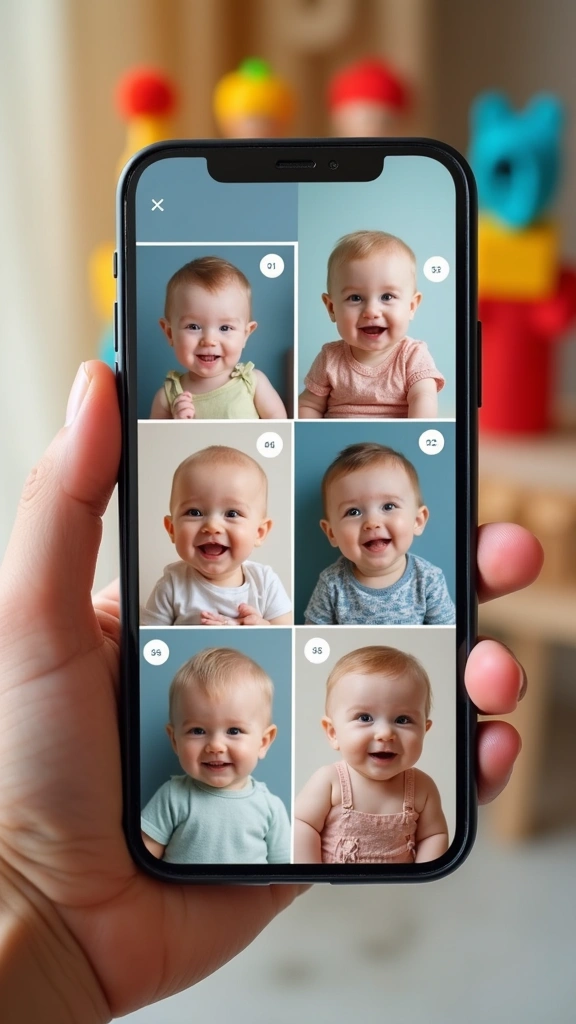
Visual connection matters in long-distance relationships. One couple started a weekly photo challenge, each person sending photos that answered a prompt. One week might be “something that made you smile,” the next “your favorite view from today.” Another pair simply shares daily photos of their lives, creating a visual diary of their separate experiences. Photo sharing keeps you visually connected to your partner’s daily life. It creates conversation starters. It’s a low-pressure way to communicate when you’re both busy. Couples report that these visual connections feel more intimate than expected. You’re seeing your partner’s world through their eyes. Over time, these photos become a visual record of your relationship.
11. Creating Personalized Stories Together

Personalized books offer a unique way to strengthen long-distance relationships. One couple created a custom children’s book featuring themselves as characters, telling the story of their long-distance love. They read it together during video calls, laughing at the illustrations and reinforcing their commitment. Another pair commissioned a personalized book about their relationship journey, from how they met to their plans for the future. A third couple created a book for their child, explaining why one parent lives far away and how much they’re loved. These books serve as tangible representations of your relationship. They’re keepsakes that can be shared with future children or revisited during difficult times. Couples report that these books become emotional anchors, reminding them why they chose to make long-distance work.
12. Hosting Virtual Movie Nights

Shared entertainment creates moments of togetherness. One couple uses a synchronized streaming service to watch movies together, pausing to discuss scenes and reactions in real time. Another family gathers for virtual movie nights, with each person in a different location but all watching the same film together. A third couple makes it a ritual, complete with snacks prepared in advance and a scheduled call time. Virtual movie nights work because they’re low-pressure. The movie provides natural conversation starters. You can pause and discuss what you’re watching. Couples report that these shared experiences feel surprisingly intimate. You’re creating memories together, even across distance.
13. Building Community Through Group Chats
Extended family and friend networks can either support or strain long-distance relationships. One couple created a family group chat that includes both sets of parents and close friends. This keeps everyone updated on the relationship and creates a sense of community around their love. Another pair uses group chats to coordinate visits and celebrations. A third couple found that including trusted friends actually reduced isolation and provided additional support. Group chats keep your relationship visible to your community, which reinforces its importance. They allow others to celebrate your milestones and offer support during challenges. Couples report that this community support strengthens their bond.
14. Prioritizing Emotional Check-Ins

Long-distance relationships require more emotional labor than local ones. One couple schedules weekly check-in calls specifically for discussing feelings, concerns, and relationship health. They use a structured format: each person shares what’s working, what’s challenging, and what they need from their partner. Another pair has monthly deeper conversations where they discuss the relationship itself, not just daily events. A third couple works with a therapist who specializes in long-distance relationships. Regular emotional check-ins prevent small resentments from building into major conflicts. They create space for vulnerability. Couples report that these conversations bring them closer. You’re not avoiding difficult topics; you’re addressing them directly.
15. Planning Meaningful Visits

The visits that punctuate long-distance relationships deserve careful planning. One couple plans visits months in advance, building anticipation and ensuring both people can fully commit to the time together. Another pair creates detailed itineraries for their visits, balancing quality time with activities they both enjoy. A third couple learned to be flexible, allowing some spontaneity while maintaining structure. Successful visits require intentionality. You’re not just trying to cram as much as possible into limited time. You’re creating experiences that strengthen your bond. Some couples report that their best visits include quiet time together, not just activities. The key is being present. Put phones away. Minimize distractions. Couples report that well-planned visits sustain them through the months apart.
16. Reimagining Date Nights Across Distance

Traditional dates aren’t possible in long-distance relationships, but creative alternatives can be equally meaningful. One couple has “dinner dates” where they cook the same meal in their separate kitchens and eat together on video call. Another pair takes virtual tours of museums or travel destinations together, learning and exploring as a team. A third couple plays online games together, finding that the collaborative challenge creates bonding moments. Long-distance dates require creativity, but they also offer advantages. You’re forced to think beyond the standard dinner and movie. You’re building experiences that are unique to your relationship. Couples report that these creative dates feel more intentional than traditional ones. The effort required shows commitment.
17. Reflecting on Progress and Growth

Long-distance relationships benefit from regular reflection. One couple has monthly check-in meetings where they review the past month, celebrate successes, and identify areas for improvement. Another pair keeps a relationship journal, documenting their journey and revisiting entries during difficult times. A third couple uses quarterly reviews to assess whether their long-distance arrangement is still working for both of them. Regular reflection prevents you from getting stuck in patterns. It creates opportunities to celebrate progress you might otherwise overlook. Couples report that this practice strengthens their relationship. You’re not just reacting to circumstances; you’re actively managing your relationship. These reflections also create a record of your journey. Years later, you can look back and see how far you’ve come.
18. Building a Future Beyond the Distance
Long-distance relationships are rarely meant to be permanent. Successful couples maintain a shared vision of what comes next. One couple has a clear timeline for closing the distance, with concrete steps toward that goal. Another pair is exploring options: one partner might relocate, they might meet in a third location, or they might find creative solutions that work for their situation. A third couple is intentionally building their relationship with an end goal in mind, knowing that the distance is temporary. Having a shared vision matters. It gives you something to work toward. It reminds you that the distance is a phase, not a permanent state. Couples report that this forward-looking perspective makes the present more bearable. You’re not stuck in limbo; you’re moving toward something. This shared vision transforms long-distance from a burden into a temporary challenge with an endpoint.




Leave a Reply