Dolls have been part of childhood for centuries, yet their role in learning often goes unnoticed. When children engage with dolls, they’re developing language, emotional awareness, problem solving, and social confidence simultaneously.
Research shows that unstructured play with dolls strengthens neural pathways tied to communication, empathy, and creative thinking. A child narrating a doll’s day practices storytelling. A child dressing a doll works fine motor control. A child role playing a doctor or teacher explores future possibilities and learns about different professions.
This article explores 26 concrete ways dolls support early childhood development. Each section highlights a specific learning benefit backed by child development research. Whether you’re a parent seeking enrichment activities, a teacher building classroom resources, or a caregiver looking to deepen play experiences, this guide shows why dolls remain one of the most effective educational tools available.
1.Enhancing Memory Skills
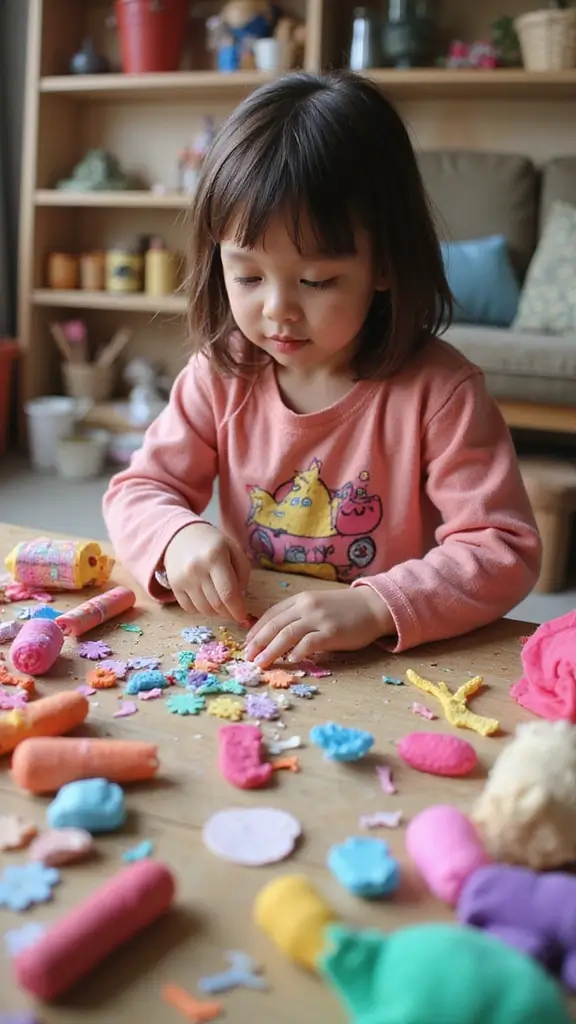
Repeated doll play strengthens memory. A child who plays out the same story multiple times must remember plot details, character traits, and dialogue. This active recall exercises memory pathways and builds the ability to retain and retrieve information accurately.
Doll play also develops contextual memory. A child remembers not just facts but the emotional context and sensory details of play experiences. This rich, contextualized memory is more durable and meaningful than rote memorization.
2. Enhancing Imagination
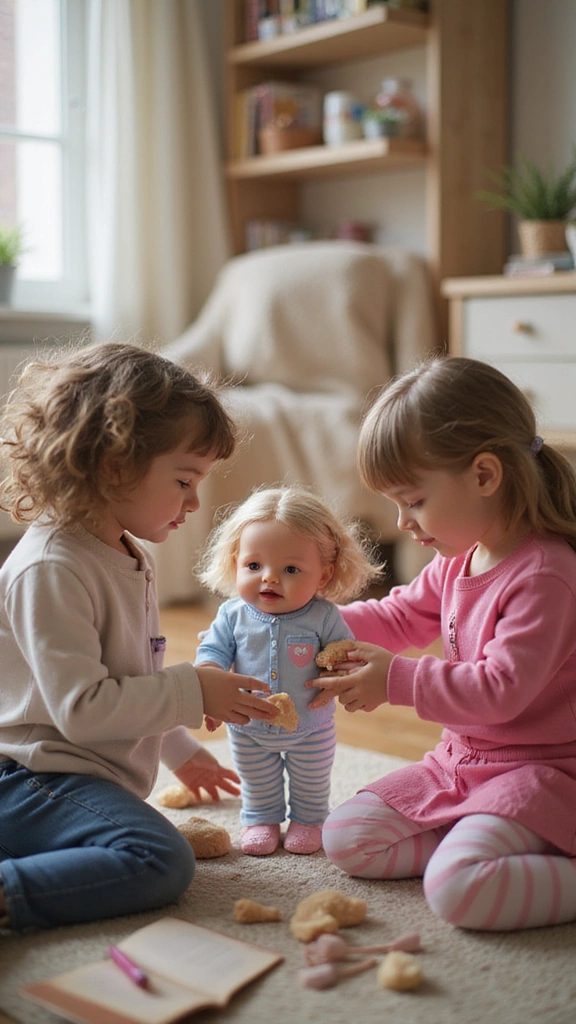
Imaginative play with dolls opens unlimited creative possibilities. A child can transform a bedroom corner into a castle, a spaceship, or a bustling city. Dolls become characters in stories the child invents, allowing the mind to explore scenarios that don’t exist in everyday life. This open ended play strengthens abstract thinking and mental flexibility.
When children create imaginary worlds, they practice shifting perspectives and considering multiple viewpoints. A doll might be brave or shy, kind or mischievous. The child decides. This freedom to define character traits and plot outcomes builds creative confidence and teaches that problems can be solved in many different ways.
3. Developing Emotional Intelligence
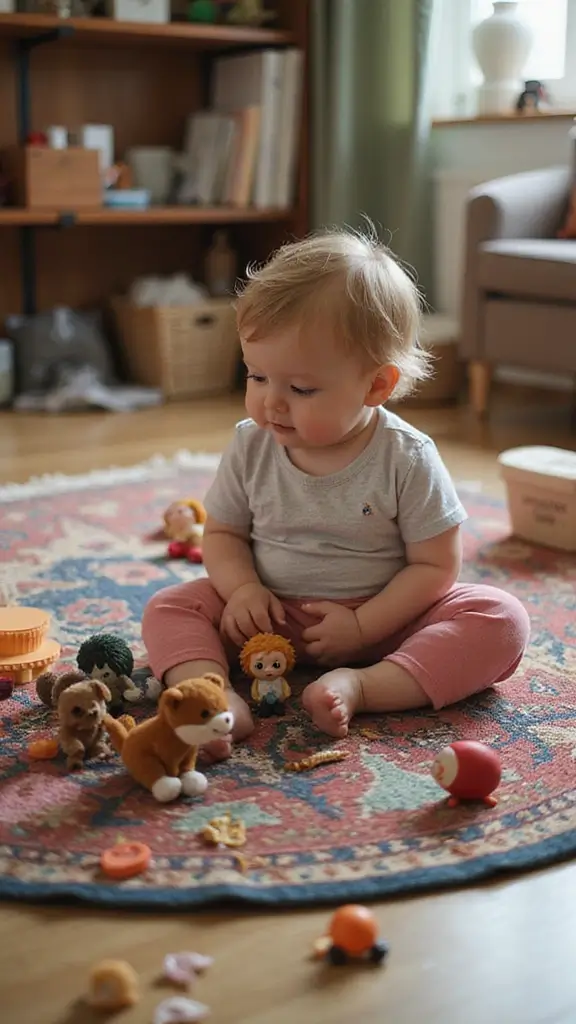
Dolls serve as safe vessels for exploring feelings. A child might use a doll to express sadness, anger, or joy without directly revealing their own emotions. This indirect expression helps children process complex feelings and develop emotional vocabulary. Over time, they learn to name emotions, understand what triggers them, and recognize similar feelings in others.
Playing out scenarios with dolls builds empathy. When a child comforts a doll or celebrates its achievements, they practice nurturing behavior and learn to recognize others’ emotional needs. This foundation of empathy strengthens relationships and helps children navigate social situations with greater awareness.
4. Boosting Social Skills
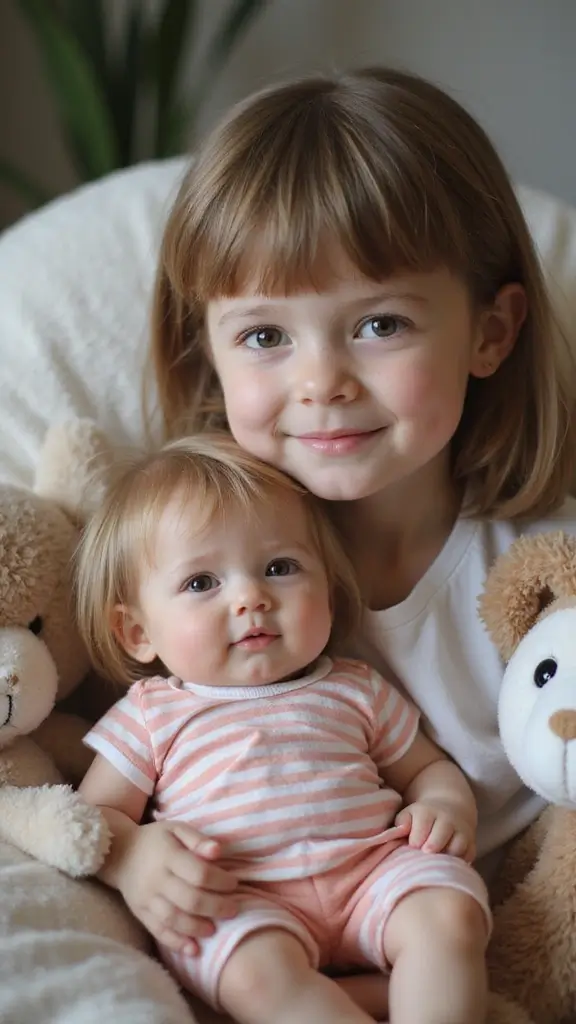
Group doll play teaches negotiation, sharing, and collaboration. When two or more children play with dolls together, they must agree on the story, take turns, and respect each other’s ideas. These interactions mirror real social dynamics and give children practice in compromise and teamwork in a playful context.
Doll play also models appropriate social behavior. Children observe and imitate how dolls interact, learning greeting rituals, turn taking, and conflict resolution. A child might have dolls apologize to each other or work through disagreements, internalizing healthy social patterns that transfer to real friendships and classroom interactions.
5. Stimulating Narrative Skills
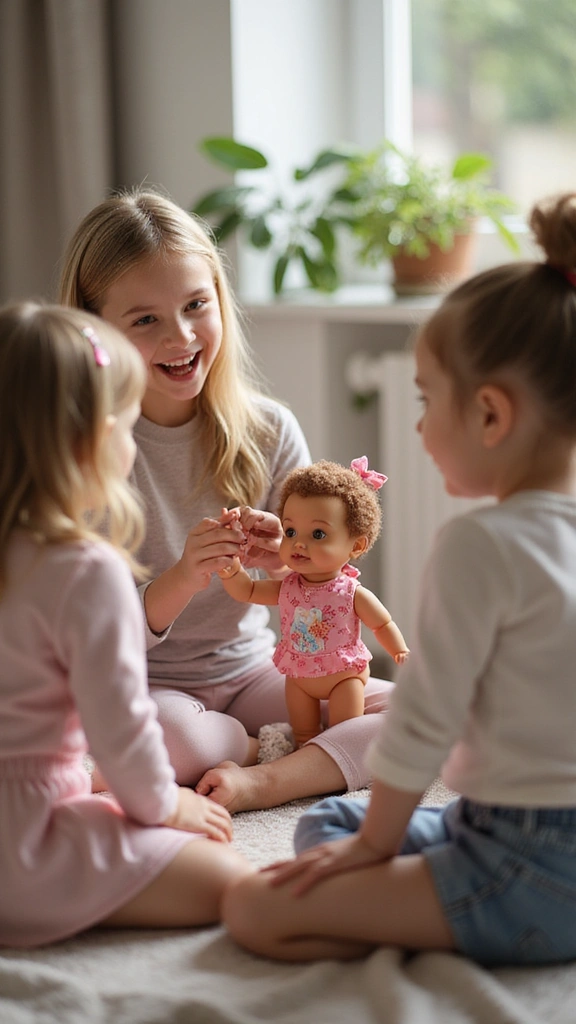
Creating stories with dolls strengthens the ability to organize thoughts into coherent narratives. Children learn to establish a beginning, develop a middle with action or conflict, and reach a conclusion. This narrative structure mirrors the format of books they read and stories they’ll eventually write.
Repeated storytelling with dolls builds memory and sequencing skills. A child might tell the same story multiple times, refining details and adding new elements each time. This repetition solidifies memory pathways and helps children understand how stories can evolve while maintaining core elements.
6. Encouraging Fine Motor Skills
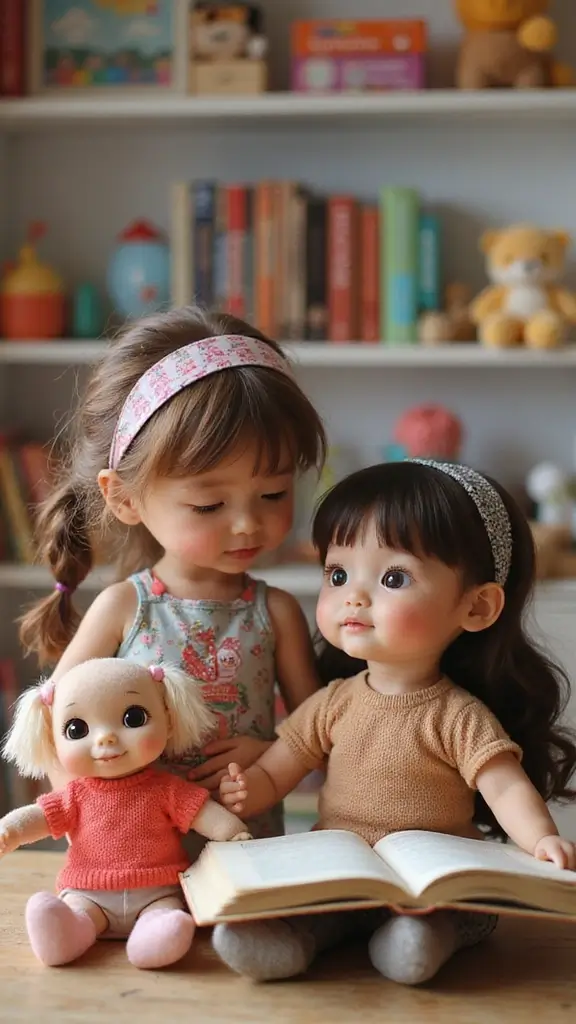
Dressing and undressing dolls requires precise hand movements that strengthen fine motor control. Buttoning tiny buttons, zipping small zippers, and fastening snaps all demand coordination between fingers and hands. These repetitive motions build the muscle memory and dexterity needed for writing and drawing.
Arranging doll accessories, styling hair, and positioning dolls in play scenes also develops hand eye coordination. Children learn to control force and movement with increasing precision. These skills form the foundation for later academic tasks like holding a pencil correctly and forming letters with appropriate pressure.
7. Building Self Confidence
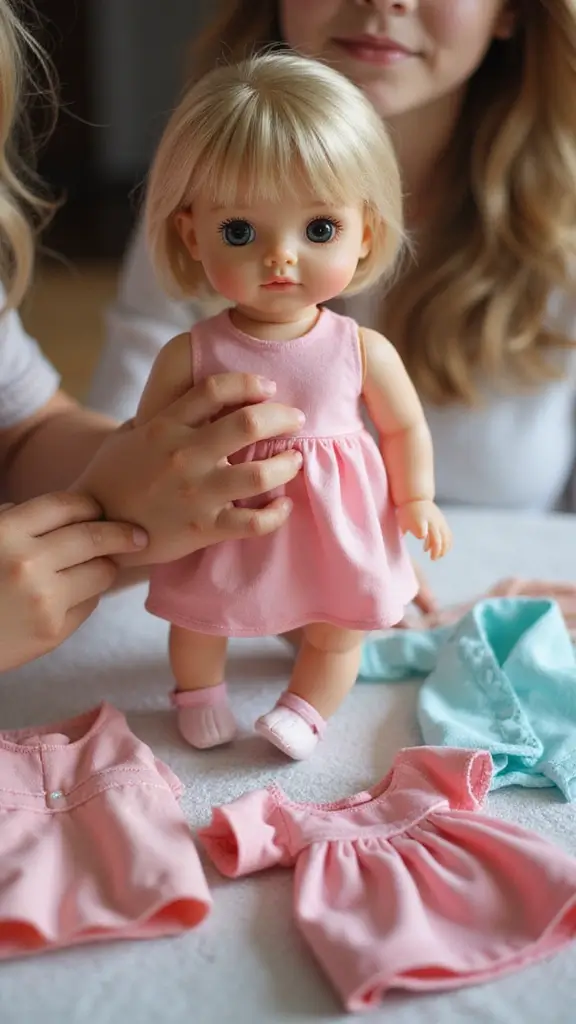
Doll play offers children a space to succeed and feel competent. When a child creates a story, solves a problem in play, or cares for a doll, they experience mastery. This sense of accomplishment builds self esteem and encourages children to tackle new challenges with greater confidence.
The control children exercise in doll play strengthens self assurance. A child decides what happens, how characters behave, and how conflicts resolve. This agency teaches children that they have power to influence their environment and make meaningful choices, a foundation for healthy self concept and resilience.
8. Cultivating Patience and Focus
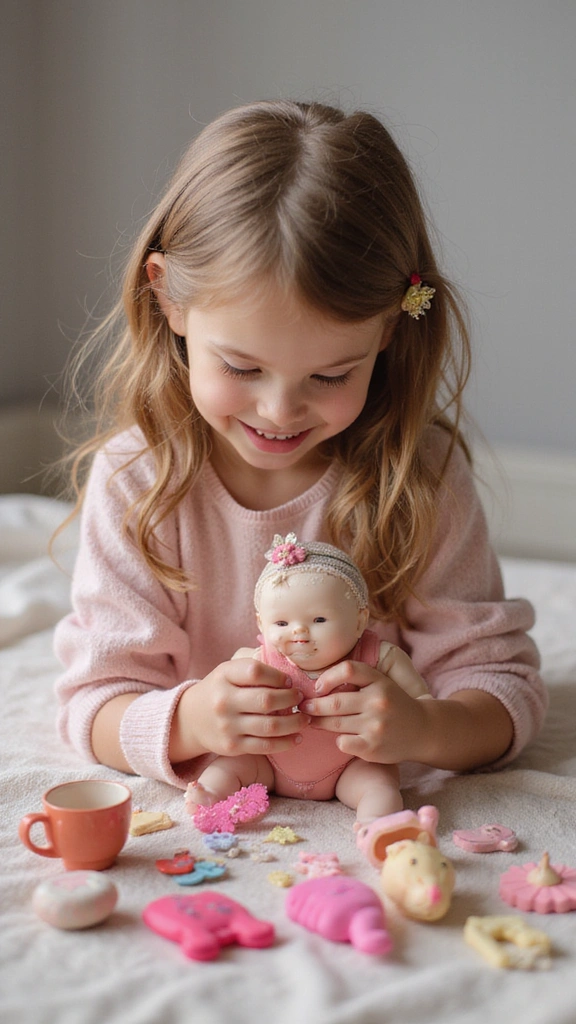
Extended doll play sessions naturally build attention span and concentration. A child absorbed in a complex narrative or elaborate play scenario practices sustained focus without external pressure. This voluntary concentration strengthens the neural circuits involved in attention and impulse control.
Doll play also teaches patience through the natural rhythm of storytelling and care routines. A child learns that good stories unfold gradually, that characters develop over time, and that meaningful play requires sustained engagement. These lessons about patience transfer to academic settings where sustained effort produces better results.
9. Teaching Responsibility
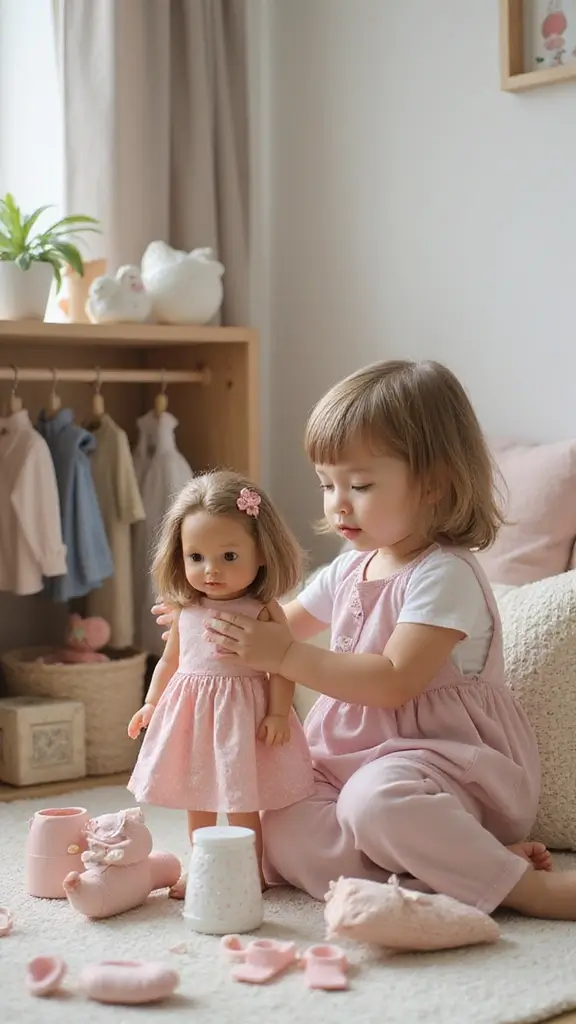
Caring for a doll mirrors real responsibility. A child might establish routines like feeding their doll, putting it to bed, or keeping it clean. These care activities teach that other beings depend on consistent attention and that neglect has consequences. The doll becomes a low stakes way to practice accountability.
Through doll care, children also learn about consequences and cause and effect. If a doll’s hair isn’t brushed, it becomes tangled. If a doll isn’t dressed warmly, it might get cold in the story. These simple cause and effect relationships help children understand that actions have outcomes.
10. Fostering Cultural Awareness
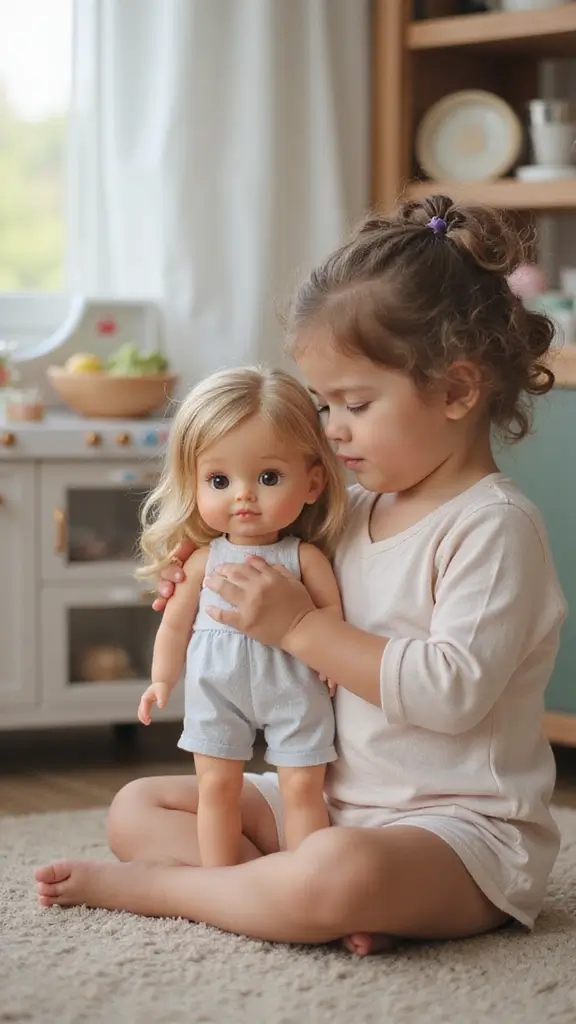
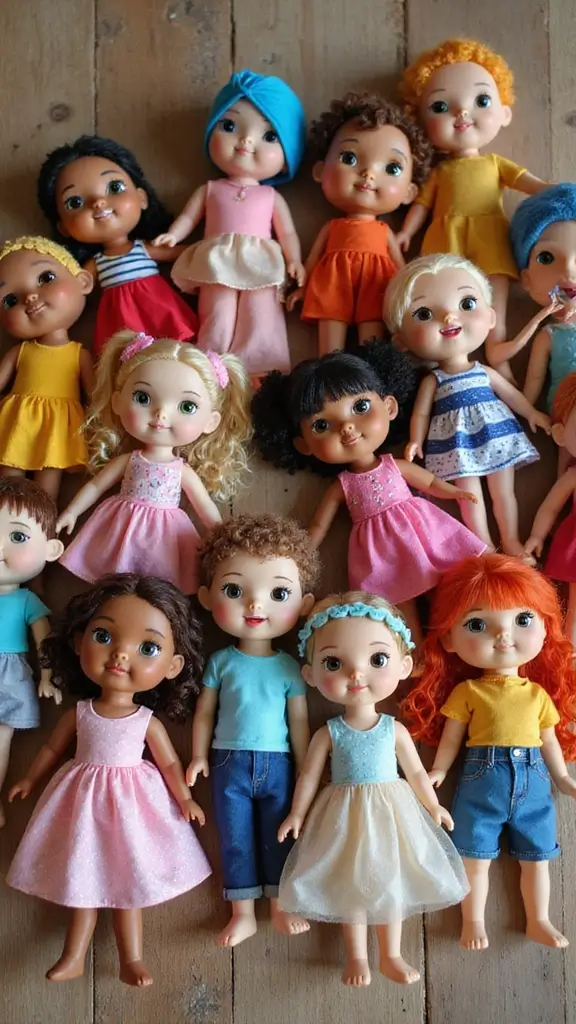
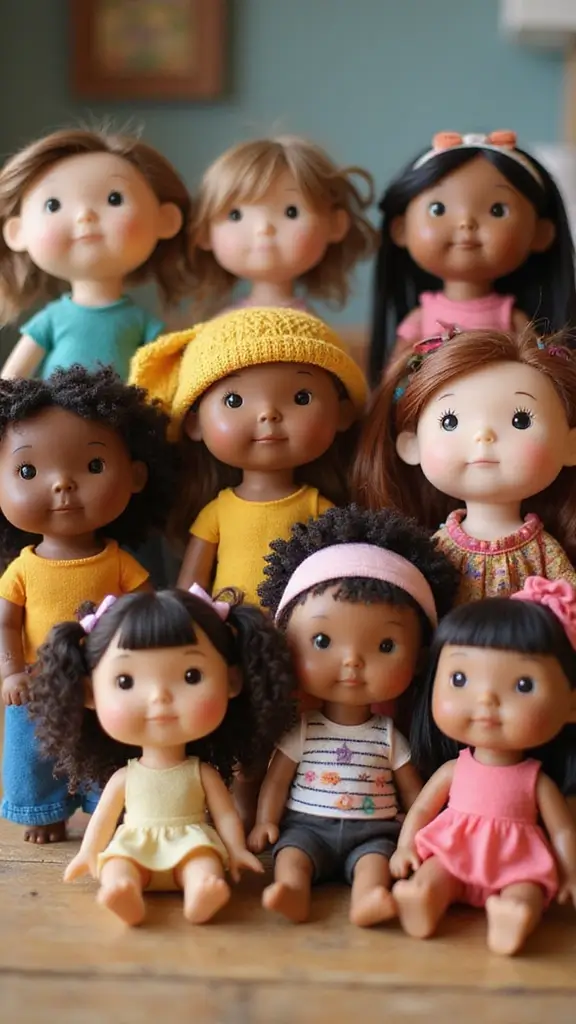
Dolls from different cultures introduce children to diversity and broaden their understanding of the world. A child playing with dolls that represent various ethnicities, clothing styles, and family structures learns that people live differently and that these differences are normal and valuable. This early exposure builds cultural competence and reduces bias.
Playing with culturally diverse dolls sparks curiosity about different traditions, celebrations, and ways of life. A child might ask questions about a doll’s clothing or home, leading to conversations about geography, customs, and family structures. These conversations plant seeds of respect for cultural differences.
11. Encouraging Teamwork
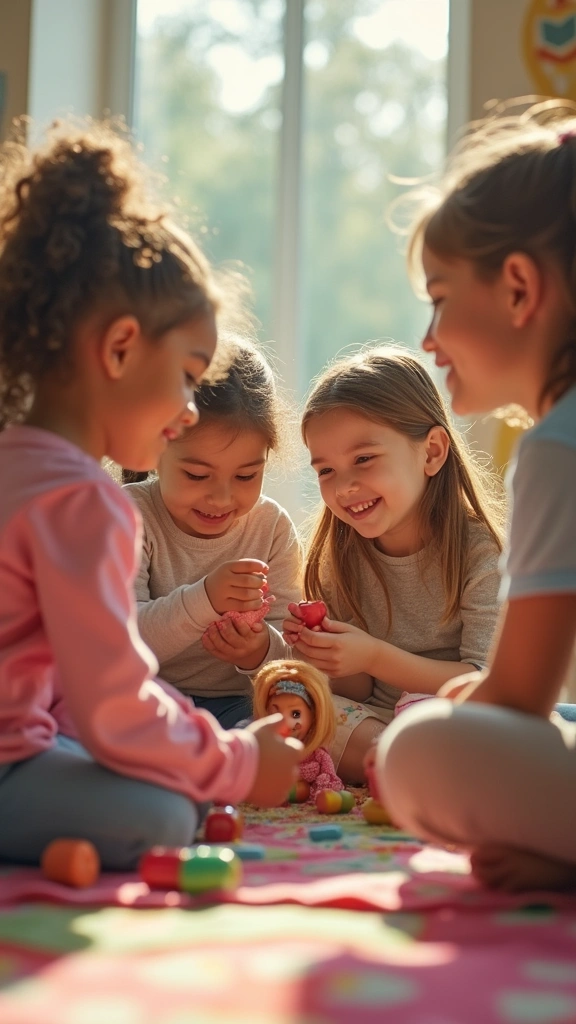
When children play with dolls in groups, they learn to work toward shared goals. One child might manage the setting while another develops character dialogue. A third child might handle props and accessories. This division of labor teaches that different people contribute different strengths and that collaboration produces richer results than solo effort.
Group doll play also models how to give and receive feedback. Children suggest ideas, listen to others’ suggestions, and adapt their play accordingly. These negotiation skills are essential for teamwork in school projects and future workplaces.
12. Strengthening Family Bonds
Doll play offers a natural avenue for parent child bonding. When a parent joins a child’s doll play, they enter the child’s imaginative world and demonstrate genuine interest in their thoughts and creativity. This shared experience builds emotional connection and creates lasting memories.
Playing dolls together also opens communication channels. A child might express concerns or questions through doll characters that they wouldn’t voice directly. A parent attuned to this indirect communication can address worries, answer questions, and provide reassurance in a way that feels safe and playful.
13. Sparking Interest in Storytelling
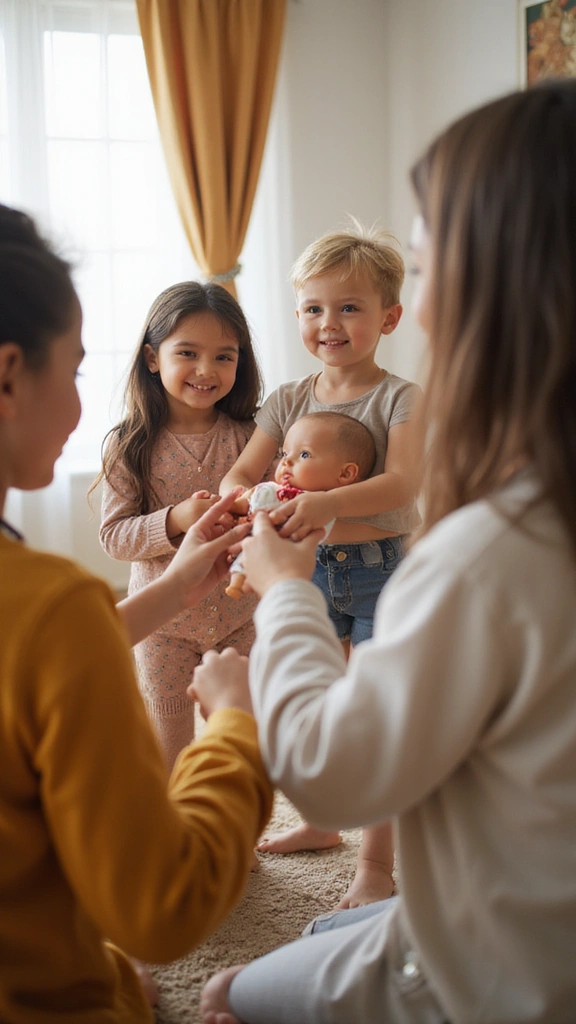
Doll play often ignites a lifelong love of stories. Children who spend hours narrating doll adventures frequently develop strong interests in reading and writing. The narrative skills practiced through doll play transfer directly to literacy development and academic success in language arts.
The storytelling that emerges from doll play builds appreciation for narrative structure and character development. A child who has created complex doll characters understands why authors develop characters carefully. A child who has plotted doll adventures understands story arcs and pacing. These insights deepen reading comprehension and writing ability.
14. Enhancing Visual Spatial Awareness
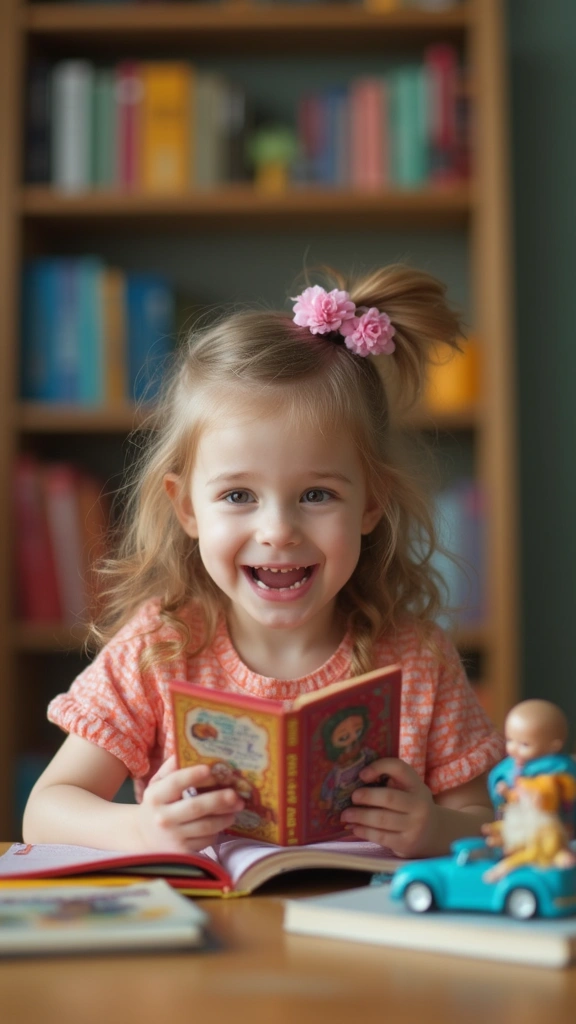
Setting up doll homes and environments requires spatial reasoning. A child must visualize how furniture fits in a room, how dolls move through spaces, and how to arrange items for functional play. This three dimensional thinking strengthens the mental rotation and spatial visualization skills essential for mathematics and design.
Manipulating doll scale environments also teaches proportion and perspective. A child learns that a doll sized chair looks different from a human sized chair and that spaces must be arranged to accommodate doll proportions. These observations build understanding of scale and spatial relationships.
15. Encouraging Creativity in Play
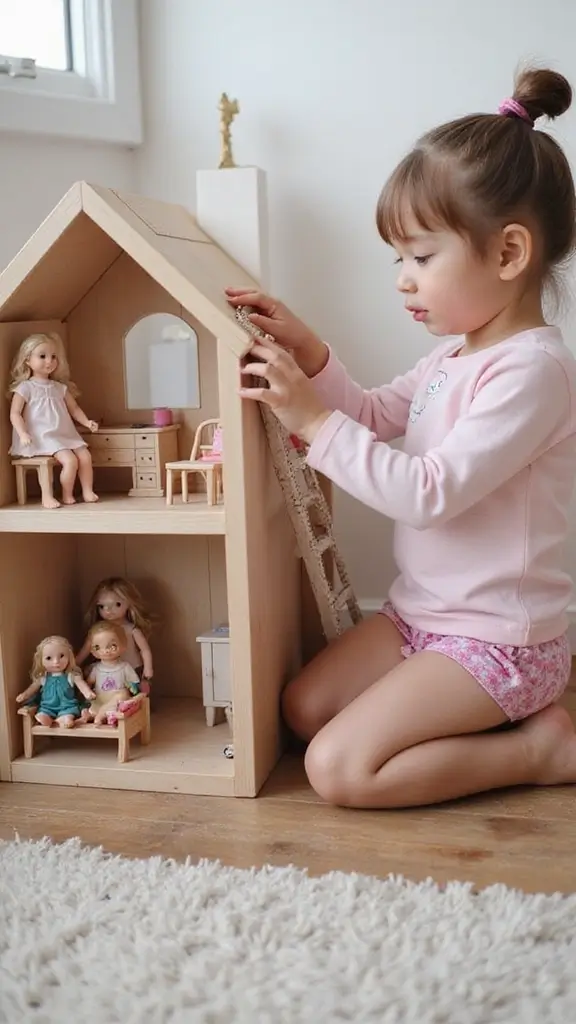
Doll play encourages children to create rather than consume. Instead of passively watching entertainment, a child actively generates stories, designs environments, and invents games. This creative engagement strengthens divergent thinking and teaches that there are many right answers to open ended questions.
The creative freedom of doll play builds artistic confidence. A child might design doll clothes, paint doll furniture, or create props from household items. These creative projects develop artistic skills and teach that mistakes are part of the creative process.
16.Supporting Language Development
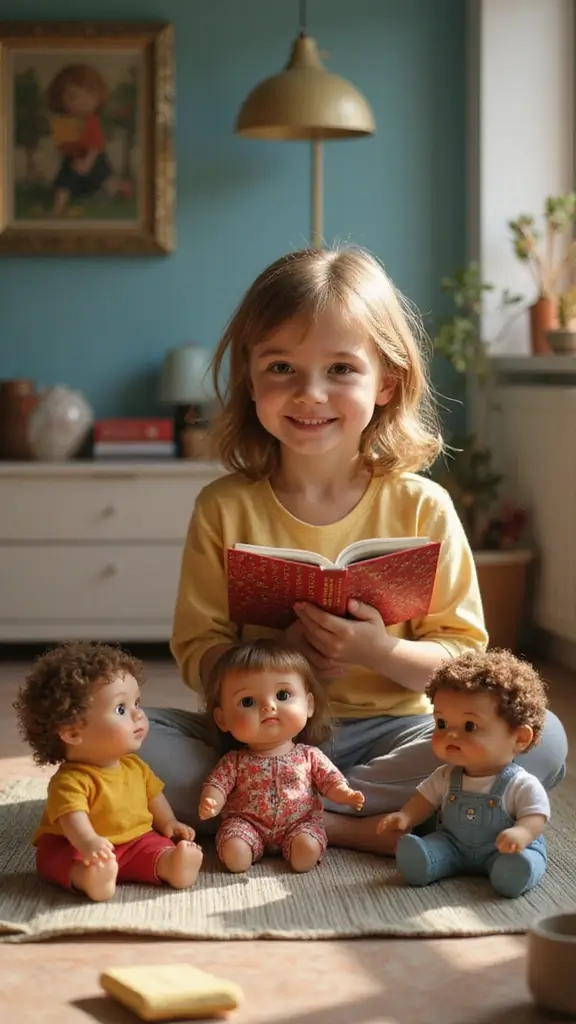
Dolls create natural opportunities for children to practice speech and vocabulary in low pressure settings. When a child talks to a doll, they experiment with new words, sentence structures, and conversational patterns without fear of judgment. This self directed language play accelerates word acquisition and builds confidence in verbal expression.
Narrating doll activities strengthens narrative skills. A child might say, “Now my doll is eating breakfast. She likes cereal. She drinks milk.” This simple narration mirrors the structure of real stories and helps children understand how language sequences events. Over time, these narratives become more complex, with dialogue, emotion, and plot development emerging naturally.
17. Building a Sense of Community
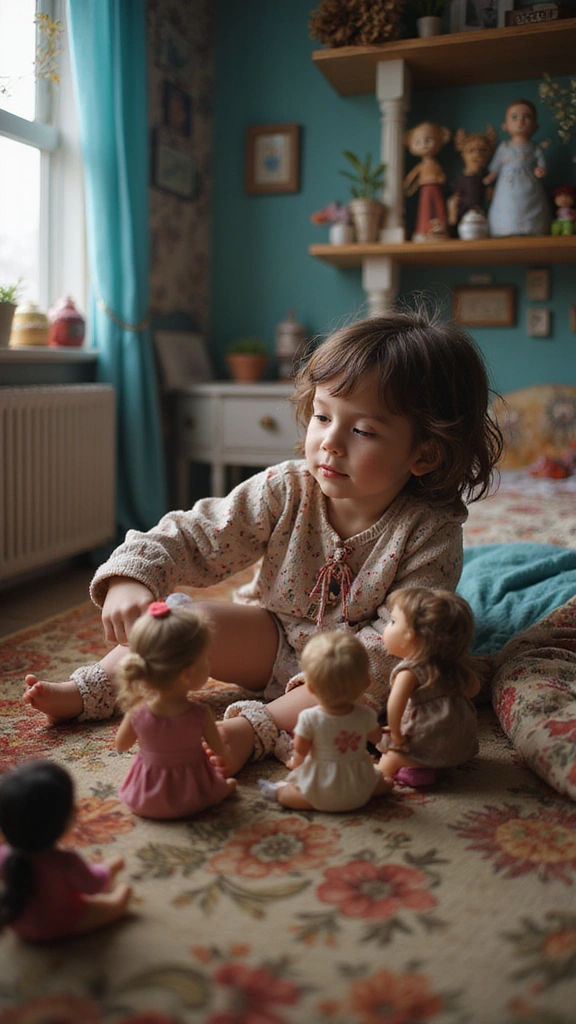
Doll play in group settings creates community and belonging. When children play dolls together, they form bonds based on shared imagination and common interests. These friendships often extend beyond play time and create a sense of belonging within a peer group.
Shared doll play also establishes group norms and culture. Children develop inside jokes, recurring characters, and shared stories that define their community. This sense of shared identity strengthens social cohesion and creates a supportive environment where children feel valued.
18. Teaching Life Skills
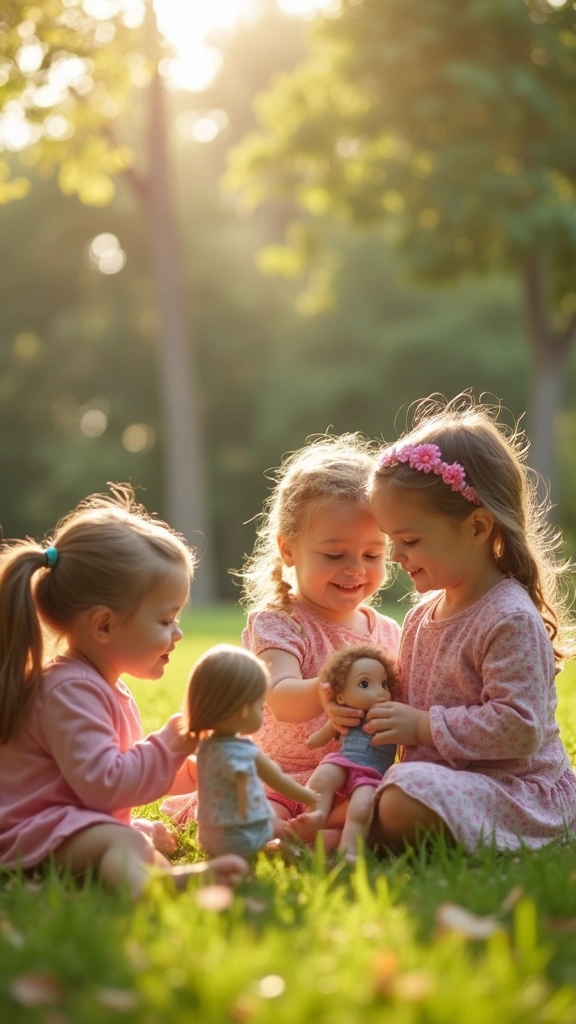
Doll play provides a safe context for practicing real life skills. A child might practice cooking, cleaning, bathing, or getting dressed by having their doll do these activities first. This rehearsal builds competence and reduces anxiety when the child must perform these tasks independently.
Through doll play, children also learn about daily routines and self care. A child might establish a bedtime routine for their doll, learning the steps and importance of consistent habits. These low pressure practice opportunities build life skills and healthy habits.
19. Creating Lasting Memories
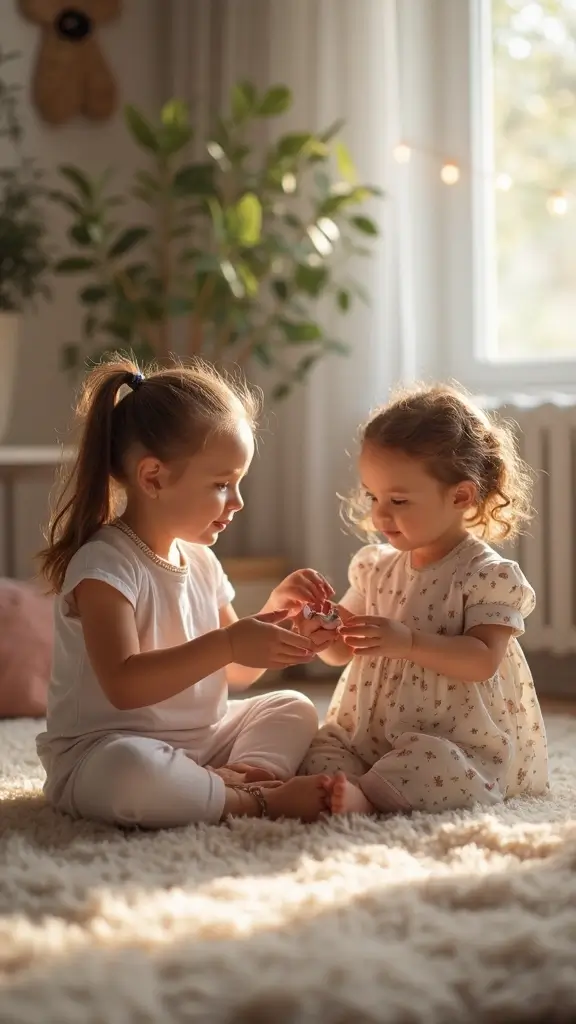
Doll play creates memories that children carry into adulthood. Many adults recall specific dolls and play scenarios from childhood with vivid detail and emotional resonance. These memories often represent periods of safety, creativity, and joy that shape a person’s sense of self.
The dolls themselves often become memory anchors. A doll received as a gift, played with during a significant life event, or shared with a beloved caregiver becomes a tangible connection to childhood. These objects hold emotional meaning and serve as reminders of important relationships.
20. Promoting Positive Social Interaction
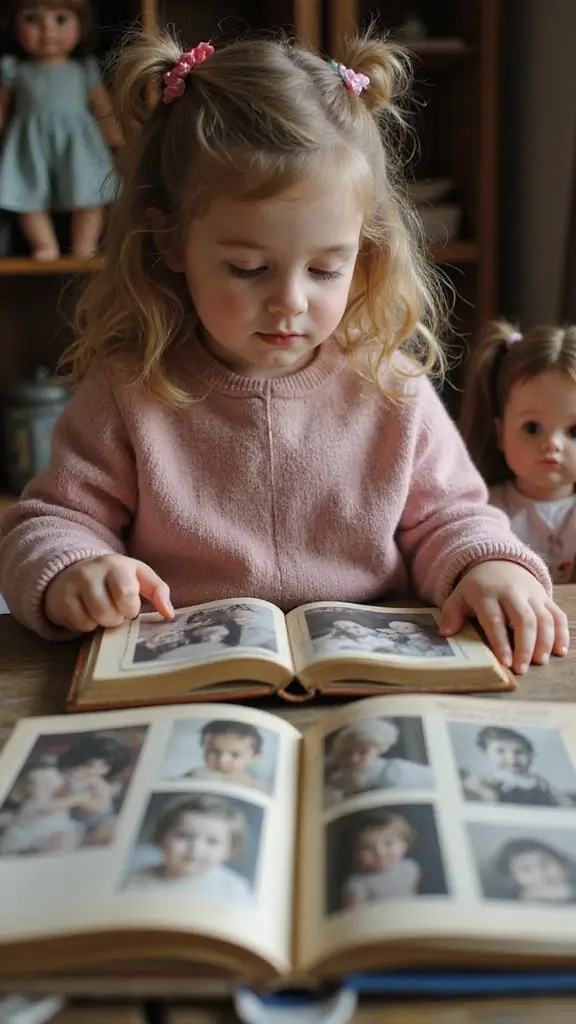
Doll play naturally promotes positive social interaction. Unlike competitive games where there are winners and losers, doll play is cooperative and inclusive. Children can join ongoing play, contribute ideas, and feel valued regardless of skill level. This inclusive nature builds positive peer relationships and reduces social anxiety.
The collaborative storytelling in doll play teaches children to build on others’ ideas and support their peers’ creativity. When one child adds a character or plot twist, other children incorporate it into the story. This give and take teaches appreciation for others’ contributions.
21. Teaching Acceptance of Differences
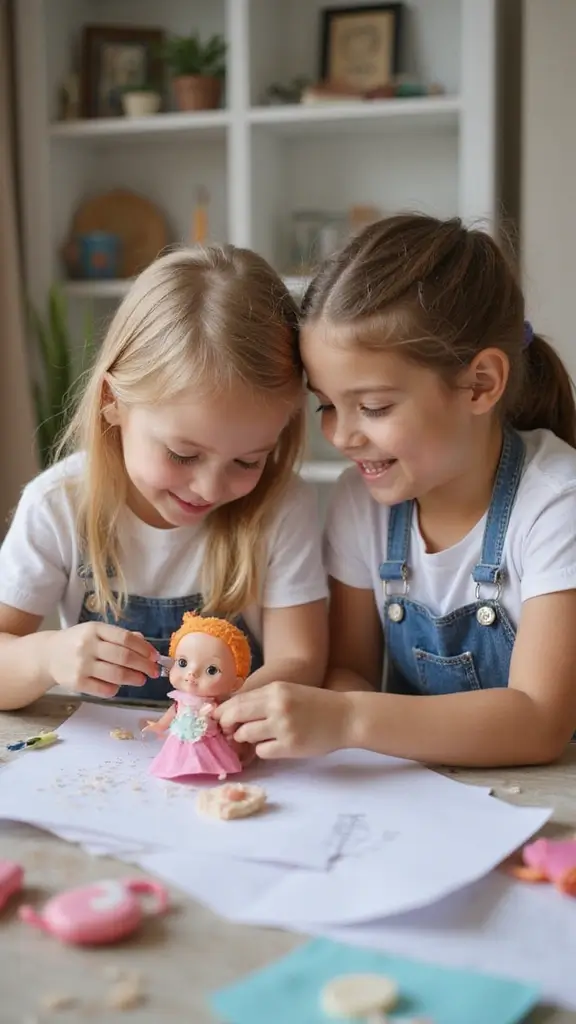
Playing with dolls that have different abilities, appearances, and backgrounds teaches acceptance and inclusion. A child who plays with dolls of various ethnicities, body types, and abilities learns that diversity is normal and that everyone deserves respect. This early lesson shapes attitudes toward difference throughout life.
Doll play also provides opportunities to explore and discuss differences in safe ways. A child might ask why a doll looks different or has different abilities. These questions open conversations about diversity and inclusion that build understanding and empathy.
22. Encouraging Problem Solving Skills
Doll play presents problems that children must solve creatively. How does a doll get across a river? How do two dolls resolve a conflict? How can a doll achieve a goal? These open ended problems encourage children to think flexibly and generate multiple solutions. The low stakes nature of doll play makes it safe to try ideas that might fail.
Through repeated problem solving in play, children develop confidence in their ability to handle challenges. They learn that problems often have multiple solutions and that trying different approaches is part of the process. This resilience transfers to academic and real life problem solving.
23. Enhancing Physical Activity
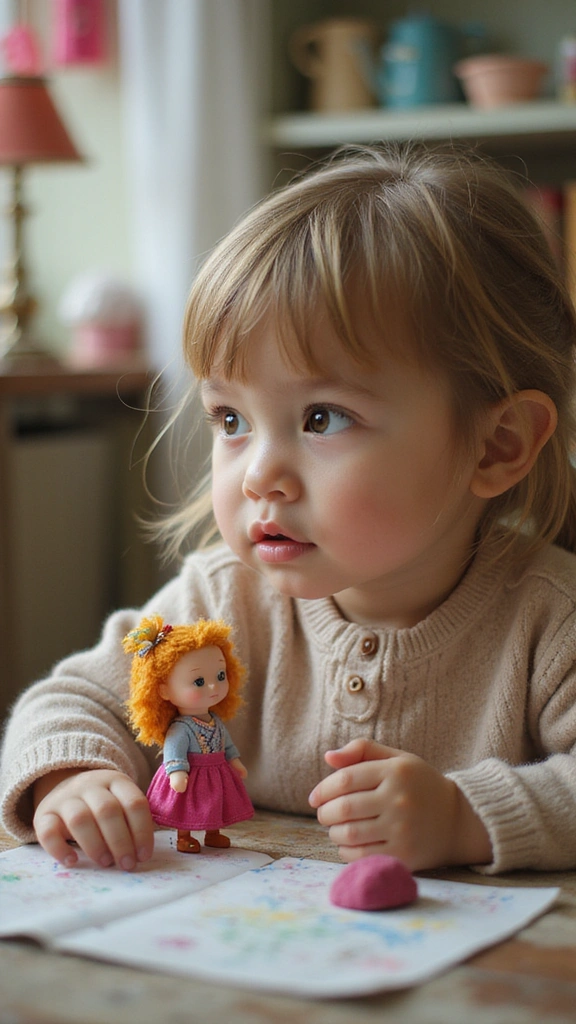
Doll play often involves physical movement. A child might walk a doll around the room, dance with a doll, or act out physical scenarios. This movement builds gross motor skills and keeps children active during play. The physical engagement makes doll play a more complete developmental activity.
The physical aspects of doll play also teach body awareness and coordination. A child learns how their body moves through space and how to control movement with precision. These physical skills support athletic development and contribute to overall health during early childhood.
24. Inspiring Future Roles and Aspirations
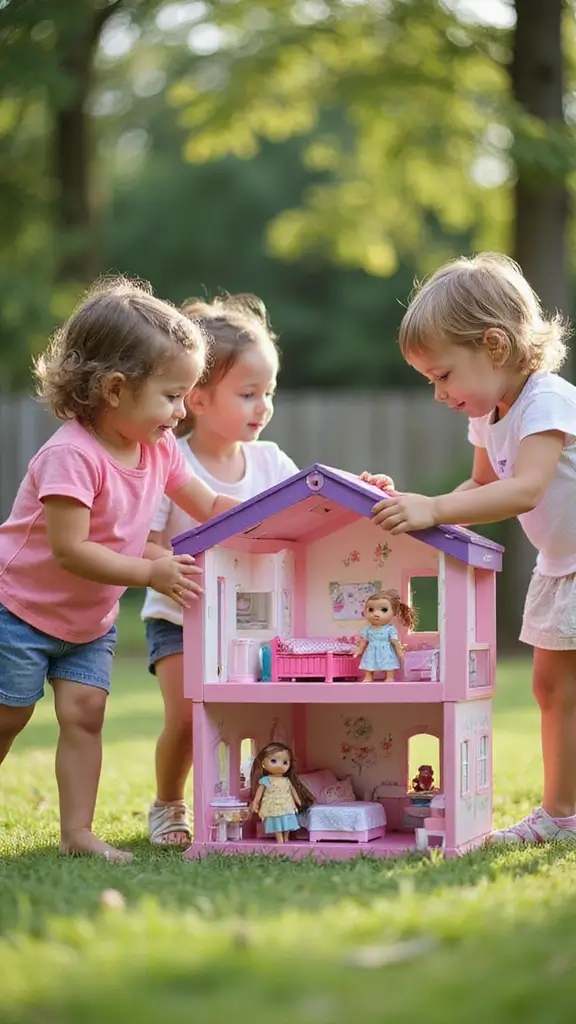
Doll play allows children to explore future roles and careers. A child might have a doll be a doctor, teacher, astronaut, or artist. Through these role plays, children imagine themselves in different professions and begin to envision future possibilities. This exploration builds aspirations and helps children understand the breadth of opportunities available to them.
Playing out different roles also helps children understand what different professions involve. A child playing a doctor doll learns about medical care. A child playing a teacher doll learns about education. These explorations build career awareness and help children make informed choices about their interests.
25. Building Confidence Through Mastery
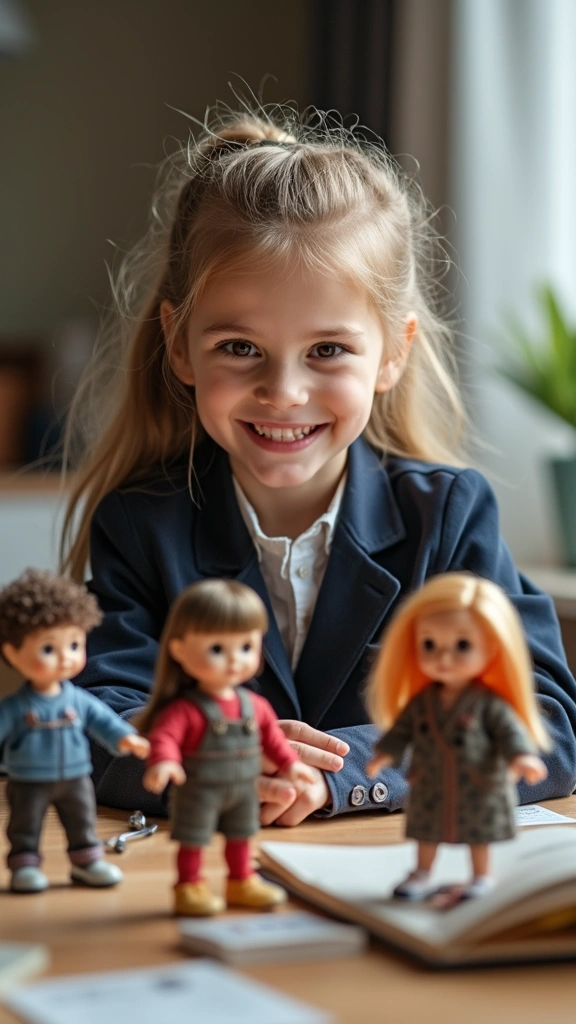
As children develop increasingly sophisticated doll play, they experience mastery and competence. A child who creates elaborate stories, manages multiple characters, and sustains complex play scenarios feels capable and confident. This sense of mastery extends beyond play and influences how children approach learning in other areas.
The progression from simple to complex doll play also teaches growth and development. A child recognizes that their play skills improve over time and that practice leads to greater ability. This understanding of growth through effort builds a growth mindset that supports learning throughout life.
26. The Lasting Impact of Doll Play
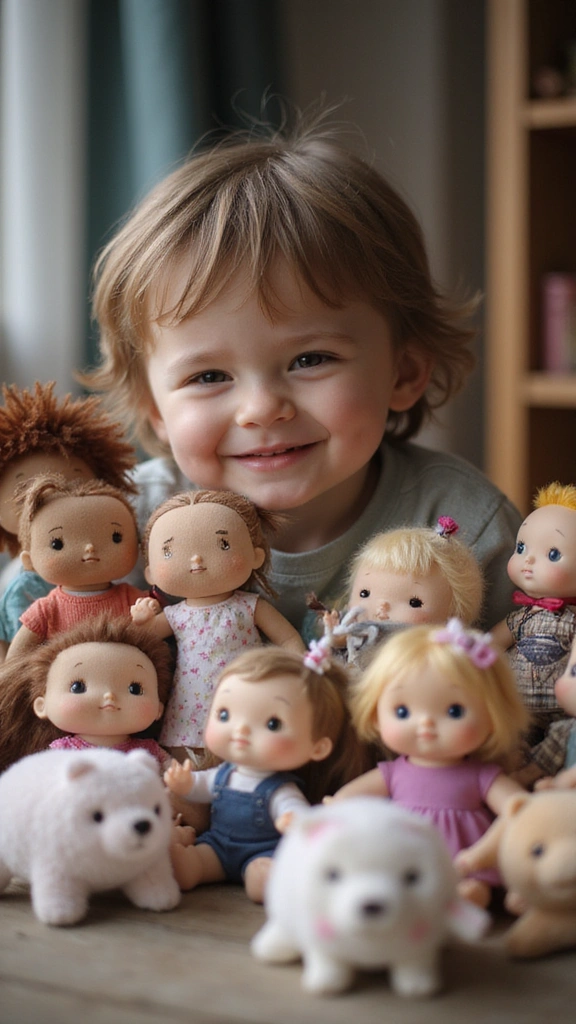
The educational value of doll play extends far beyond the play session itself. The skills developed through doll play form foundations for academic success, social competence, and emotional health. Language skills practiced with dolls support reading and writing development. Social skills learned through group play strengthen friendships and classroom success. Emotional awareness developed through doll play builds resilience and mental health.
Parents and educators who recognize the educational power of doll play create space and time for this valuable activity. Whether a child plays alone, with siblings, with peers, or with caring adults, doll play offers rich opportunities for learning and growth. In a world increasingly filled with screens and structured activities, unstructured doll play remains one of the most effective and accessible tools for supporting healthy child development.


Leave a Reply