Learning English doesn’t have to feel like work. When children engage with language through play, retention follows naturally. This guide presents 17 proven activities that transform English learning into genuine fun. Whether you’re a parent, teacher, or caregiver, these methods work in real classrooms and homes. They build confidence without pressure and develop listening, speaking, reading, and writing skills through games, stories, and creative projects. Each activity taps into how young minds learn best: through movement, laughter, and meaningful interaction. You’ll find options for solo learners and group settings, with varying prep requirements. All share one goal: helping children fall in love with English so they want to keep learning.
1.Language Learning Videos

Educational videos provide visual, auditory, and narrative support for language learning. Quality videos use animation, real-world footage, and clear narration to teach vocabulary, grammar, and cultural concepts. Children learn from multiple modalities simultaneously. Seeing words, hearing pronunciation, and watching actions creates strong memory encoding. Videos also expose children to native-speaker pronunciation and natural speech patterns. Children absorb intonation and rhythm from listening to videos repeatedly. Many videos use storytelling, which engages children emotionally and makes content memorable. Videos work well for visual learners who benefit from seeing concepts illustrated. You can pause videos to discuss content or repeat sections for reinforcement. Short videos work best for young learners. Five to ten-minute videos maintain attention better than longer content.
2. Vocabulary Treasure Hunt
Treasure hunts turn vocabulary building into adventure. Hide word cards around a room or outdoor space. Give children clues that require them to find specific words, then use those words in sentences or drawings. This combines movement with language learning, helping young brains encode new words more deeply. The hunt format keeps energy high and attention focused. Children aren’t sitting passively; they’re moving, searching, discovering, and celebrating each find. You can theme hunts around topics like animals, food, or actions. Pair each word card with a picture for emerging readers. Advanced learners can hunt for words that match definitions or synonyms. The physical reward of finding something makes vocabulary stick longer than flashcard drills.
3. Word Jenga

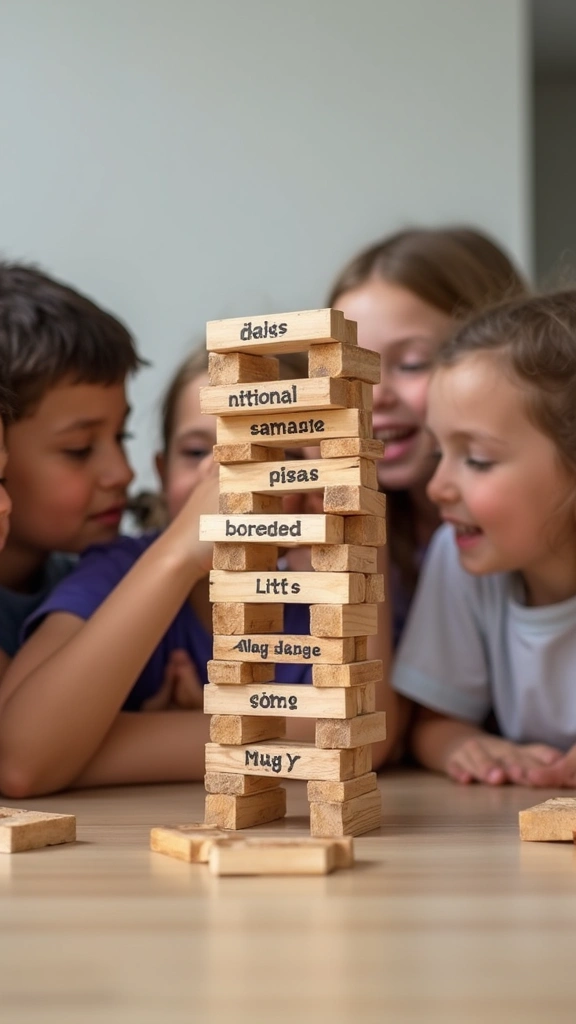
Word Jenga combines the classic block game with language practice. Write words on wooden blocks. As children pull blocks, they must read the word aloud, use it in a sentence, or answer a question about it. The game creates natural repetition without boredom. Kids want to keep playing, so they engage with words multiple times. The physical challenge of removing blocks without toppling the tower adds excitement. This activity works for all proficiency levels. Beginners simply read words. Intermediate learners form sentences. Advanced students create stories using multiple words. The competitive element motivates participation, and children remember words they’ve used in Jenga because the game created a memorable experience.
4. Language Cooking Class
Cooking classes teach English through sensory experience and real-world application. Children follow recipes, learning action verbs like chop, mix, stir, and pour. They encounter ingredient names, measurements, and sequence words. The activity engages multiple senses, strengthening memory. Kids taste what they’ve made, creating positive associations with the language. Cooking also teaches listening skills because children must follow instructions carefully. They practice reading comprehension by decoding recipe steps. Speaking happens naturally as they ask questions and describe what they’re doing. Use simple recipes like fruit salads, sandwiches, or no-bake treats. The finished product becomes a reward that reinforces learning and creates lasting vocabulary memories.
5. English Karaoke

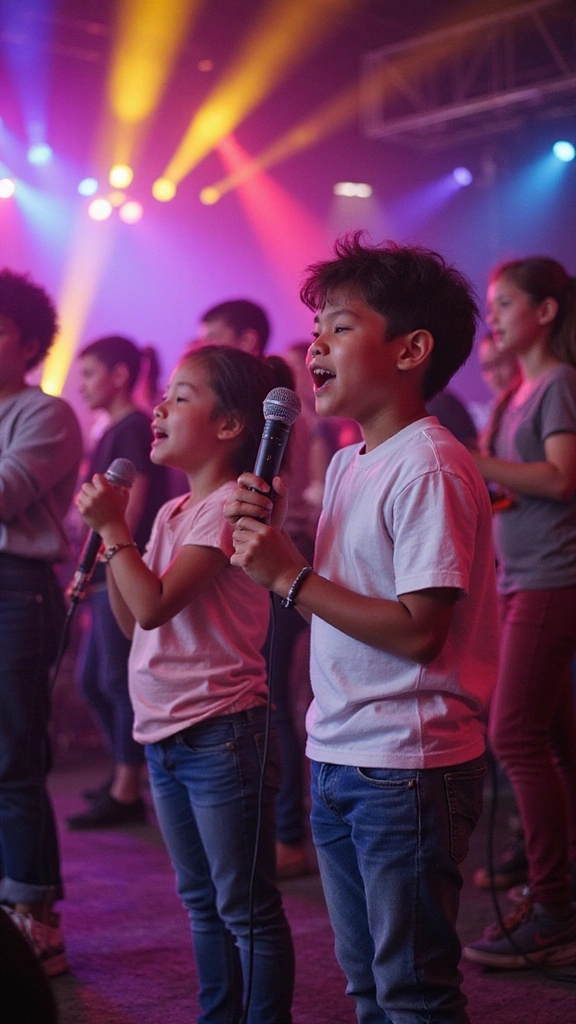
Karaoke makes pronunciation practice feel like entertainment rather than correction. Children sing along to English songs, absorbing natural rhythm, intonation, and stress patterns. Music helps language stick in memory. The melody carries the words, making them easier to recall. Karaoke removes pressure because everyone’s focus is on the song, not on judging performance. Shy children often sing when they won’t speak. The microphone and backing track create a safe space for language experimentation. Choose age-appropriate songs with clear lyrics. Repeat the same songs over several sessions so children internalize the language. Karaoke also teaches cultural awareness through music from English-speaking countries and builds confidence through success in a fun, low-stakes setting.
6. DIY Word Wall
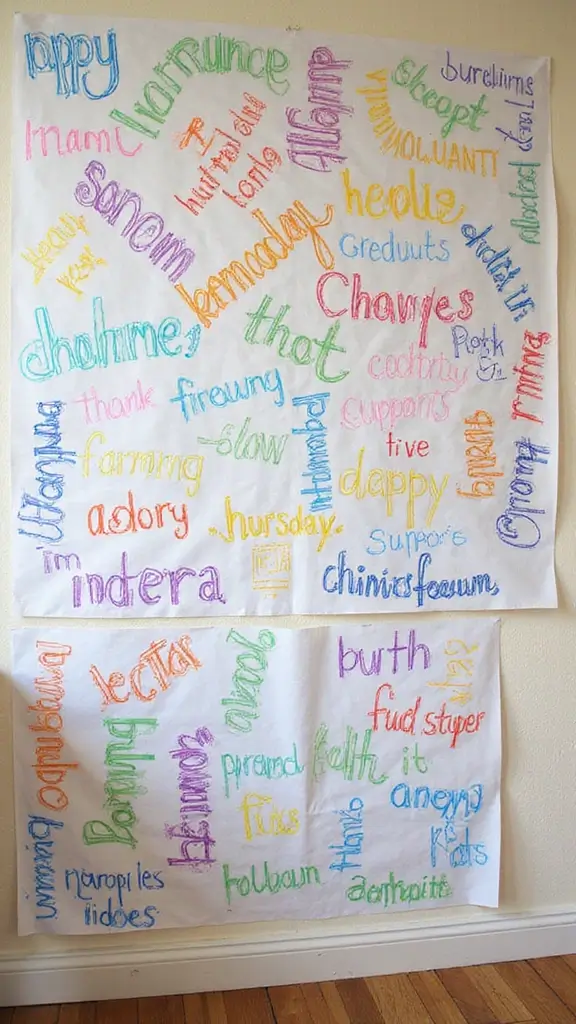
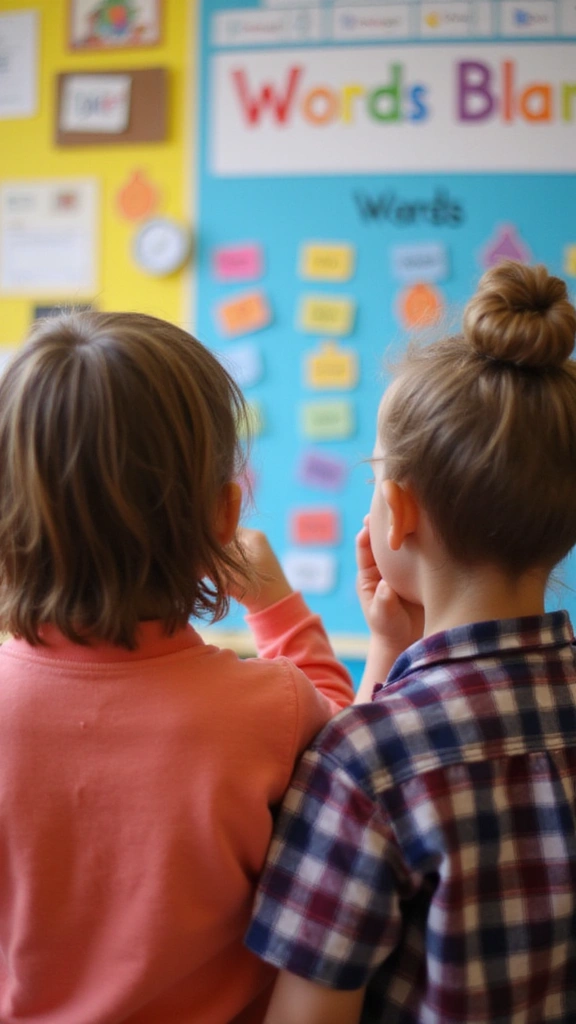
A word wall is a living, growing reference tool that children help create. Start with a blank wall or bulletin board. As children learn new words, they add them with illustrations, definitions, or example sentences. The wall becomes a visual dictionary they’ve built together. This ownership increases engagement. Children check the word wall when writing or speaking, reinforcing vocabulary use. The act of creating cards and arranging them is itself a learning activity. Kids must think about word meanings, draw pictures, and write clearly. The wall serves as constant, visible reinforcement. New learners see words repeatedly in context. Advanced learners can add synonyms, antonyms, or usage notes. A word wall transforms a learning space into an English language environment where words are celebrated and accessible.
7. Puppet Show Phonics
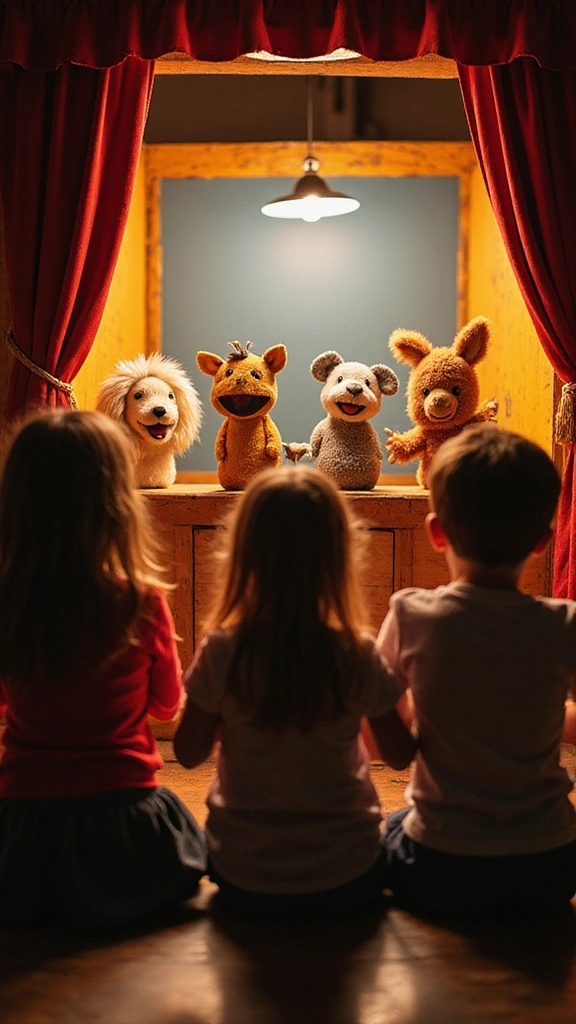
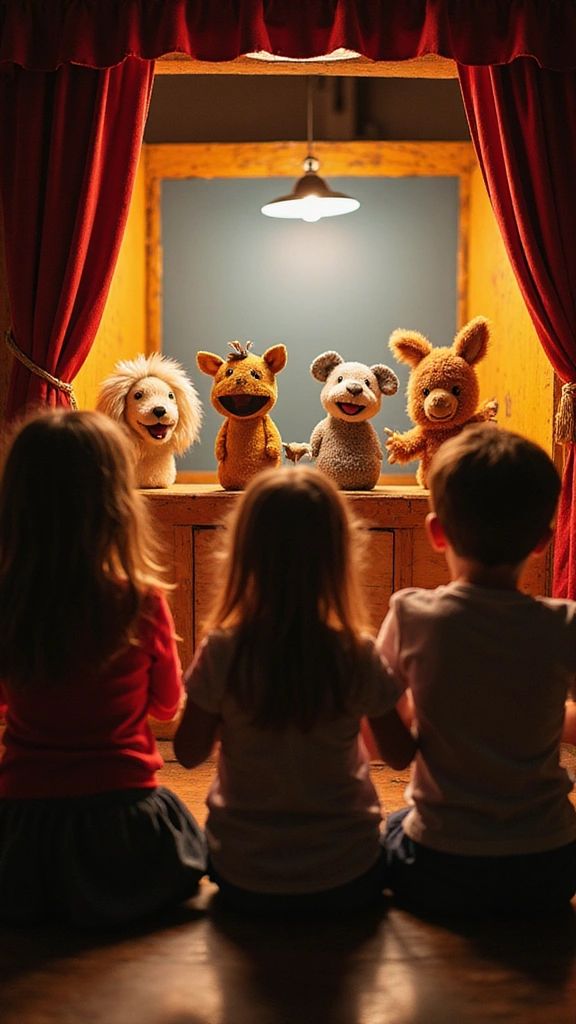
Puppets make phonics instruction engaging and memorable. Create or buy simple puppets. Use them to introduce letter sounds, model pronunciation, and act out stories. Children respond to puppets with enthusiasm they might not show toward a teacher or parent. The puppet becomes the “teacher,” removing some pressure from the learning dynamic. Puppets can make mistakes, teaching children that errors are part of learning. They can be silly, keeping energy high. Use puppets to demonstrate blending sounds into words, acting out the process physically. Children can use puppets to practice sounds themselves, speaking through the puppet character. This indirect practice often feels safer than direct speech. Puppet shows also allow storytelling that reinforces phonics concepts in context.
8. Creative Journaling
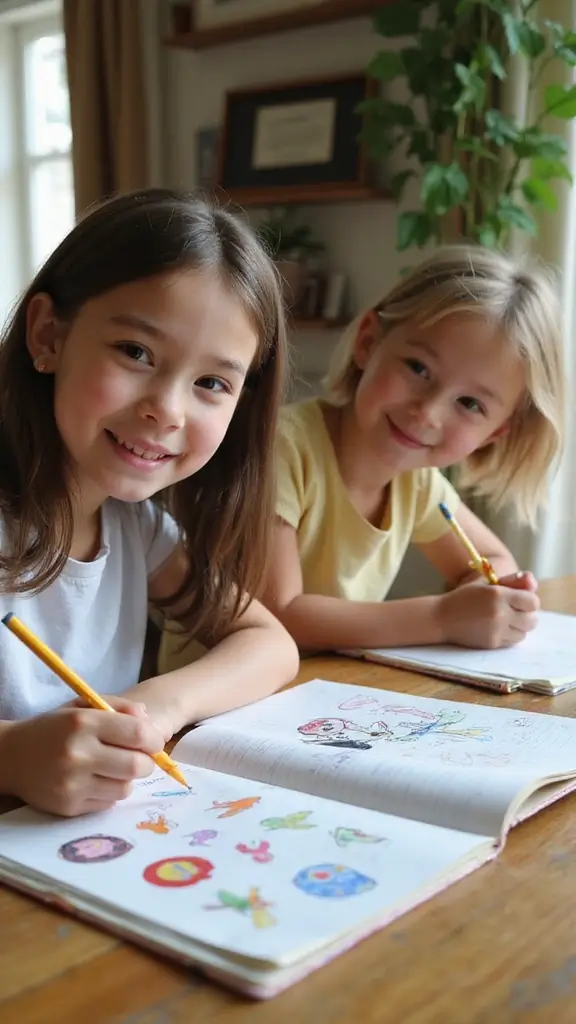
Journaling gives children a private space to experiment with English writing. They draw pictures and write about them in their own words. There’s no pressure for perfect grammar or spelling. The focus is on expressing ideas and building writing confidence. Journaling creates a record of progress that children can review and celebrate. They see their own improvement over time. The activity works for all levels. Beginners draw and label pictures. Intermediate writers compose simple sentences. Advanced students write paragraphs or stories. You can provide prompts like “My favorite animal is…” or let children choose topics freely. Regular journaling develops fluency and reduces anxiety around writing.
9. Flashcard Bingo
Bingo transforms flashcard review into an engaging game. Create bingo cards with vocabulary words or pictures. Call out definitions, translations, or example sentences. Children mark matching words on their cards. The first to complete a line or full card wins. This format keeps children focused and motivated. They want to listen carefully to win. Bingo allows for repetition without boredom. Words appear multiple times across different games. The game element makes children want to play again, creating natural spaced repetition. You can adjust difficulty by using simple words for beginners or complex vocabulary for advanced learners. Bingo also works well for large groups, keeping all children engaged simultaneously.
10. Scavenger Hunt Sentences
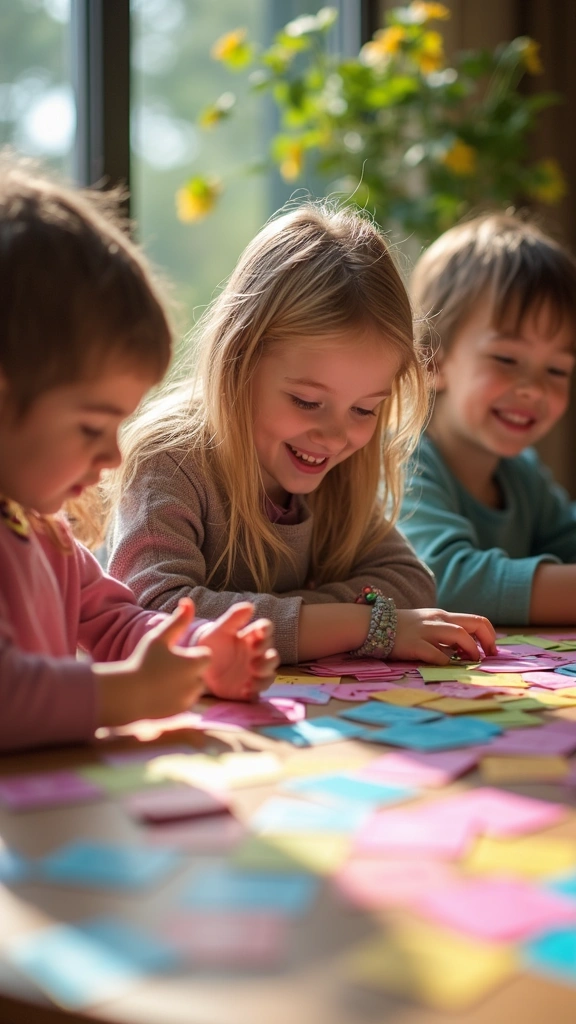
Sentence scavenger hunts build reading comprehension and grammar awareness. Hide sentence cards around a space. Children find them and must read, arrange, or complete them. You can hide sentence fragments that children must match to complete thoughts or full sentences that children must arrange in story order. This activity combines movement with language work. Children aren’t sitting passively; they’re hunting, discovering, and solving language puzzles. The hunt format maintains engagement. Finding a sentence card feels like a small victory. Children naturally read sentences multiple times as they work with them. The activity teaches sentence structure through discovery rather than explanation. Advanced learners can hunt for sentences with specific grammar features or create their own sentences to hide for others.
11. Language Art Gallery
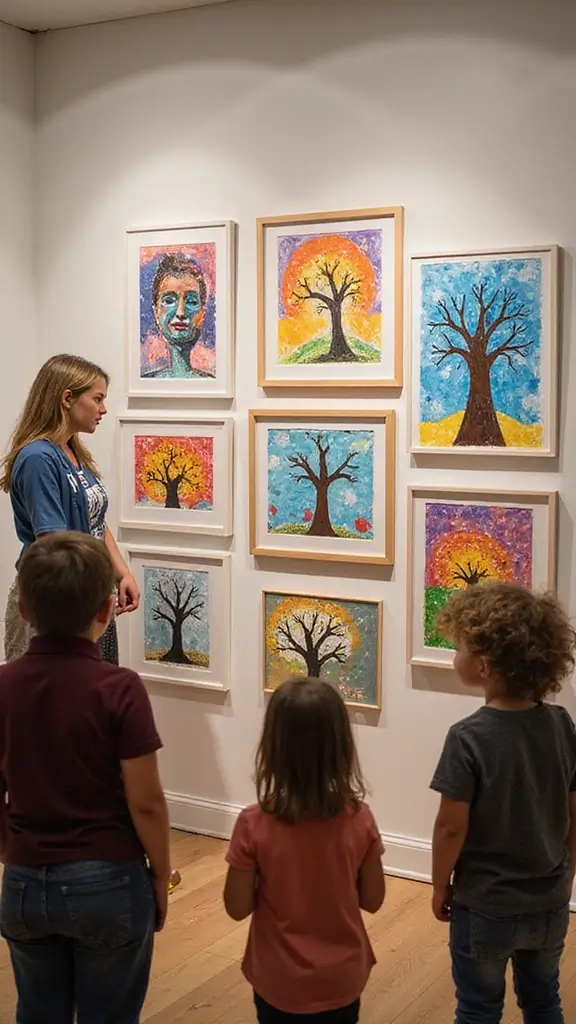
An art gallery celebrates language through visual creation. Children create artwork, then write titles, descriptions, or stories about their pieces. The gallery display gives their work importance and audience. This motivates effort in both art and writing. Children see their work displayed alongside peers, building community and confidence. The gallery opening becomes a celebration where children present their work and read their writing aloud. This combines speaking, listening, reading, and writing in one meaningful event. Creating descriptions for artwork teaches descriptive vocabulary and sentence construction. The activity connects language to creativity, showing children that English is a tool for expressing themselves. Families can visit the gallery, extending the audience and reinforcing the value of the work.
12. Interactive Storybooks
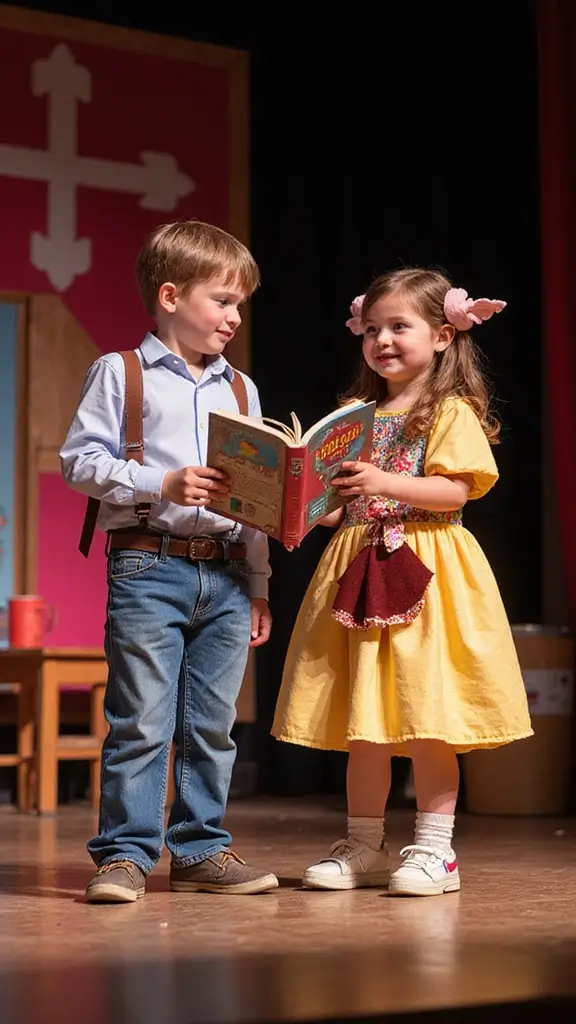
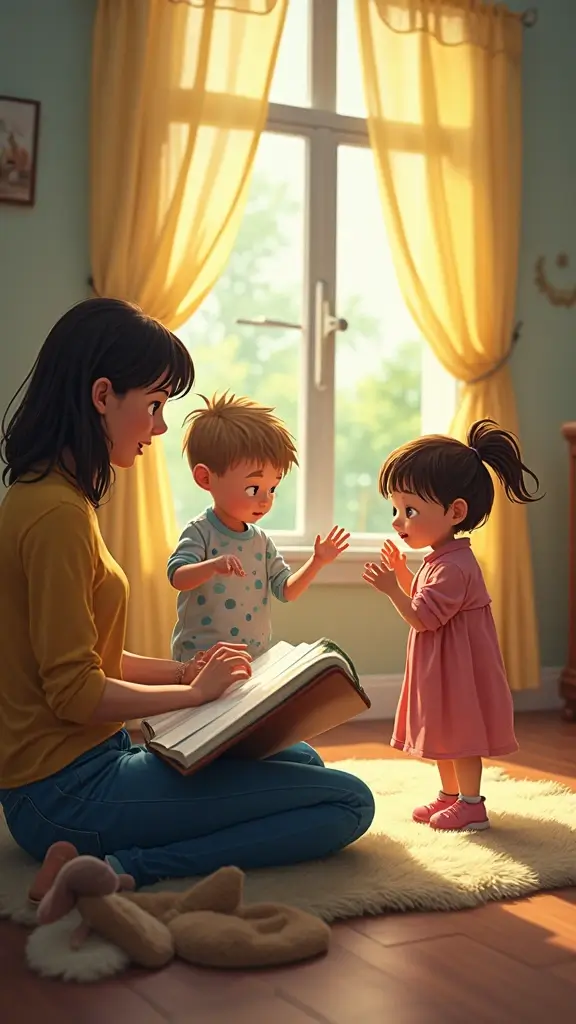
Interactive storybooks engage multiple senses and learning styles. These books include flaps to lift, textures to touch, sounds to hear, or questions to answer. Children don’t passively receive the story; they participate in it. This active engagement deepens comprehension and memory. Interactive elements break up reading into manageable chunks, helping maintain focus. The surprise of discovering what’s under a flap keeps children excited about reading. These books work well for emergent readers because visual and tactile elements support understanding. Children can “read” the pictures and textures even if they can’t decode all words. For developing readers, interactive books provide motivation to engage with text. The variety of elements means different children find different entry points into the story.
13. Themed Dress Up Days
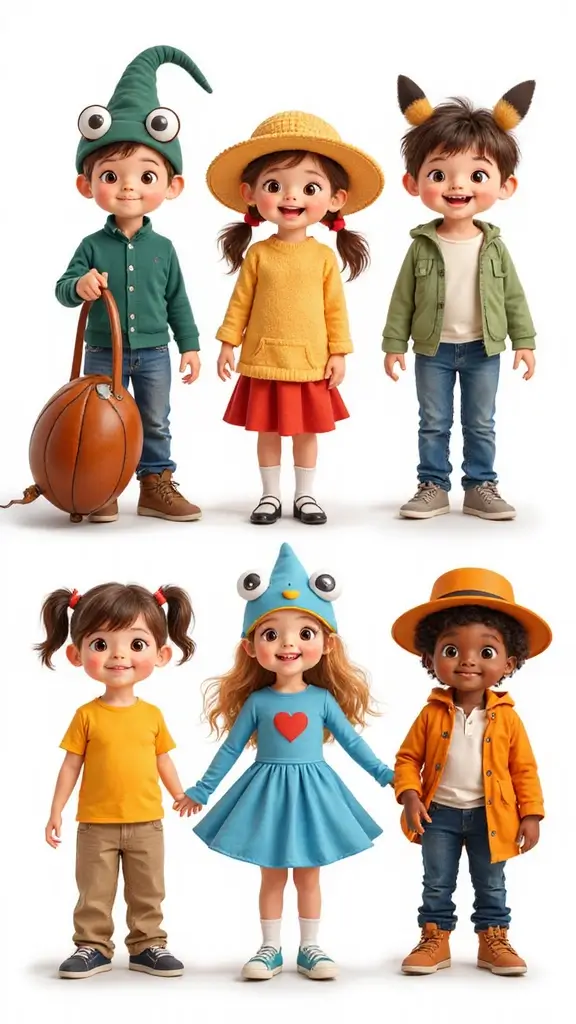
Themed dress-up days immerse children in English through role play and imagination. Choose a theme like “Fairy Tale Characters,” “Community Helpers,” or “Around the World.” Children dress up and speak in character throughout the day. This creates an English language environment where speaking feels natural and purposeful. Children practice language in context. A child dressed as a doctor uses medical vocabulary. A child dressed as a chef uses cooking language. The role play removes pressure because children are speaking as characters, not as themselves. Shy learners often participate more fully in character. The theme provides vocabulary and conversation topics. Dress-up days also build community as children celebrate together. These days work well as occasional special events that children anticipate and remember.
14. Word Relay Race
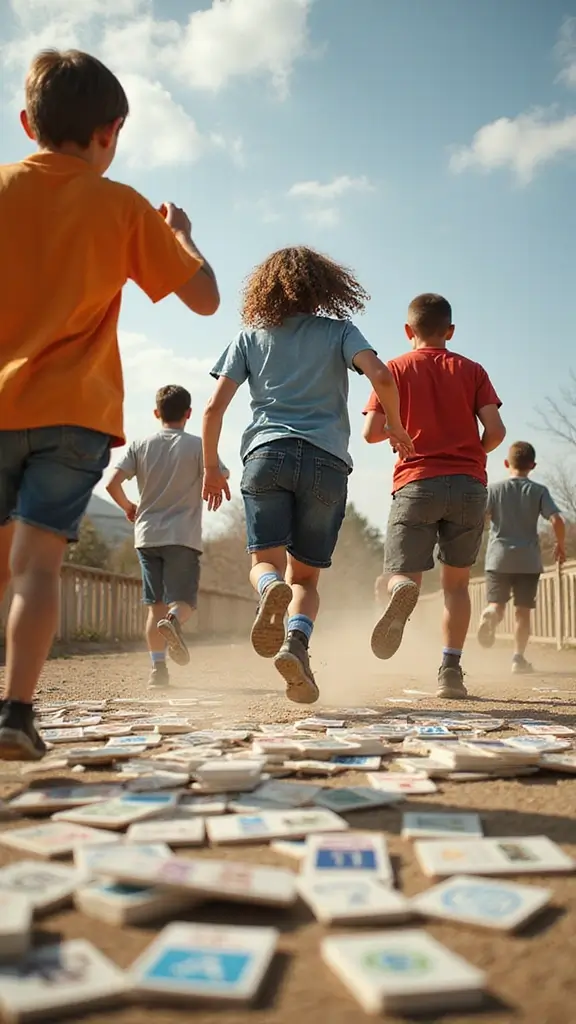
Relay races combine physical activity with language practice. Divide children into teams. Each child runs to a point, completes a language task, then tags the next teammate. Tasks might include reading a word aloud, using a word in a sentence, matching a word to a picture, or answering a vocabulary question. The race format creates excitement and motivation. Children want to run and participate. The physical activity energizes learners and helps them focus. Relay races work well for kinesthetic learners who need movement to stay engaged. The team element builds cooperation and community. Children cheer for teammates and celebrate together. Games work well for mixed-ability groups because you can adjust rules or create different challenges for different players.
15. Language Gardening
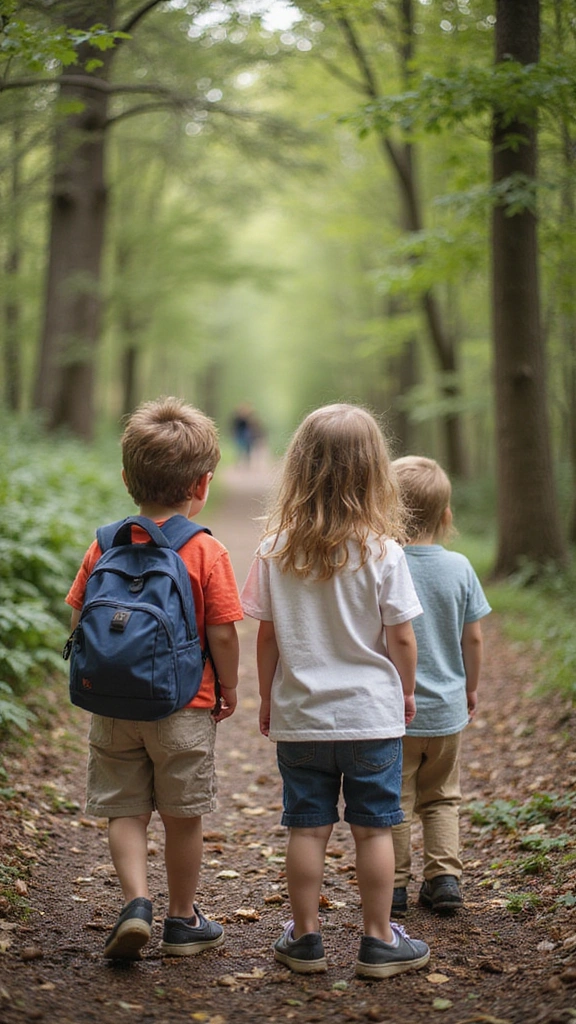
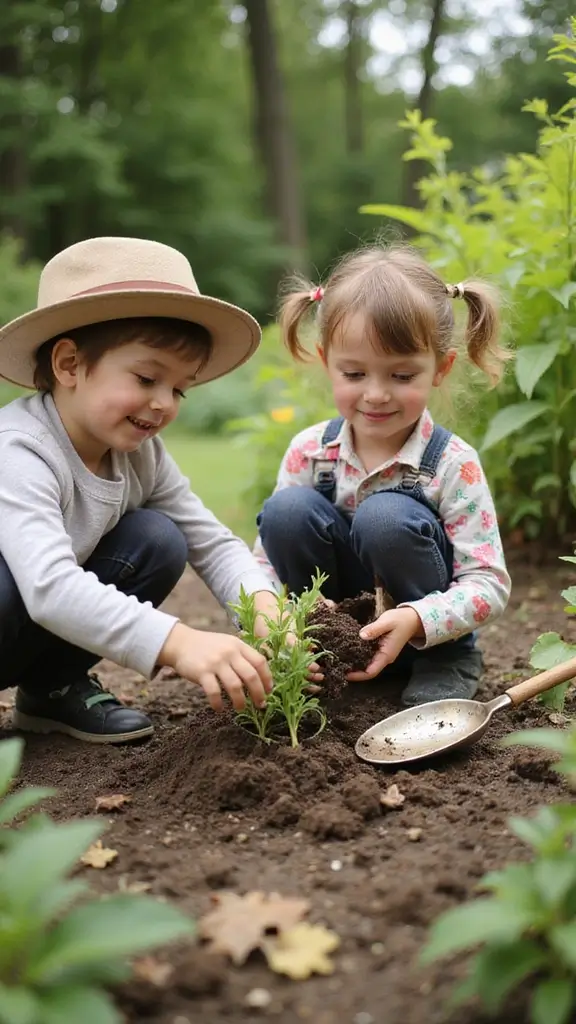
Gardening teaches English through observation and care of living things. Take children outside. Point out plants, animals, weather, and natural features. Teach vocabulary for what you observe. Children can collect items like leaves or rocks and label them. They can sketch what they see and write descriptions. Gardening engages children’s natural curiosity. They want to know what things are called. The outdoor setting provides real-world context for vocabulary. A child learns the word “moss” while touching actual moss on a tree. This sensory, contextual learning creates strong memory. Gardening also teaches observation skills and responsibility. Children check on plants regularly, creating natural opportunities for language use. They describe what they see, predict what will happen next, and celebrate growth.
16. Word of the Day Challenge
A word-of-the-day challenge builds vocabulary systematically. Choose one word each day. Display it with a picture, definition, and example sentence. Challenge children to use the word in conversation throughout the day. At day’s end, celebrate who used it and how. This creates focused vocabulary building. Rather than overwhelming children with many new words, you concentrate on one. Repetition across the day helps the word stick. The challenge element motivates children to notice and use the word. They become word hunters, listening for opportunities to use it. Over time, children accumulate significant vocabulary through this simple, consistent practice. The word of the day also teaches word-learning strategies. Children see how words are defined, used in context, and applied to real situations.
17. Language Learning Apps
Language learning apps provide personalized, interactive practice that children often enjoy. Quality apps offer games, stories, and activities that adapt to a child’s level. Children can practice at their own pace, repeating activities until they feel confident. The app format appeals to children who enjoy technology. Many apps use game mechanics like points, levels, and rewards that motivate continued engagement. Apps also provide immediate feedback, helping children know right away if they’ve answered correctly. Apps work well for supplementing classroom or home instruction. A child might spend 10 to 15 minutes daily on an app, building skills incrementally. The variety of activities within apps keeps practice fresh. Choose apps designed specifically for language learners with age-appropriate content and clear learning objectives.



Leave a Reply