Divorce marks a turning point. It strips away routines, challenges beliefs, and leaves you asking who you are now. The person you were before may not fit anymore. That’s not failure. That’s transformation.
Moving forward after divorce means more than signing papers and dividing assets. It means reclaiming the parts of yourself that got lost in the marriage. It means discovering who you want to become when no one else’s expectations are in the way.
This journey is not linear. Some days feel like progress. Other days feel like starting over. Both are normal. Both are necessary.
The goal here is simple: help you rebuild on your own terms. Not on a timeline someone else set. Not based on what society says you should do. On what actually works for you.
You are not broken. You are not defined by this ending. You are someone with the capacity to rebuild, to grow, and to create a life that feels genuinely yours. The chapters ahead are unwritten. That’s the opportunity.
1. Build a Support Network

Isolation is the enemy of healing. After divorce, the instinct to withdraw is strong. You feel exposed. Vulnerable. But connection is what actually moves you forward.
A support network doesn’t have to be large. It needs to be real. These are people who listen without trying to fix you. Friends who show up. Family members who respect your boundaries. A therapist or counselor who understands divorce pain. Maybe a support group where others are walking the same road.
The people you choose matter. Avoid those who push you to move on faster than feels right. Skip friends who use your divorce as gossip material. Instead, seek those who ask how you’re doing and actually wait for the answer.
Building this network takes effort. Reach out. Say yes to coffee. Be honest about what you need. Some relationships will deepen. Others will fade. That’s okay. You’re learning who belongs in your life now.
2. Embrace Your New Identity

For years, you may have defined yourself through the marriage. Wife. Partner. Half of a couple. Now that identity is gone. The space it leaves can feel terrifying or liberating, often both at once.
This is your chance to ask: Who am I when I’m not defined by someone else? What do I actually like? What did I abandon because it didn’t fit the relationship? What do I want to try that I never had time for?
Start small. Notice what brings you energy. Maybe it’s reading without interruption. Maybe it’s taking a class you’ve always wanted to try. Maybe it’s spending time alone without guilt. These small moments are clues to your emerging identity.
Your new identity doesn’t erase your past. You’re still the person who loved, who tried, who showed up. But you’re also becoming someone new. Someone who knows what it feels like to lose everything and keep going. Someone who can make decisions based on what serves them, not what keeps the peace.
This identity is still forming. You don’t need to have it figured out. You just need to stay curious about who you’re becoming.
3. Find Strength in Inspirational Words
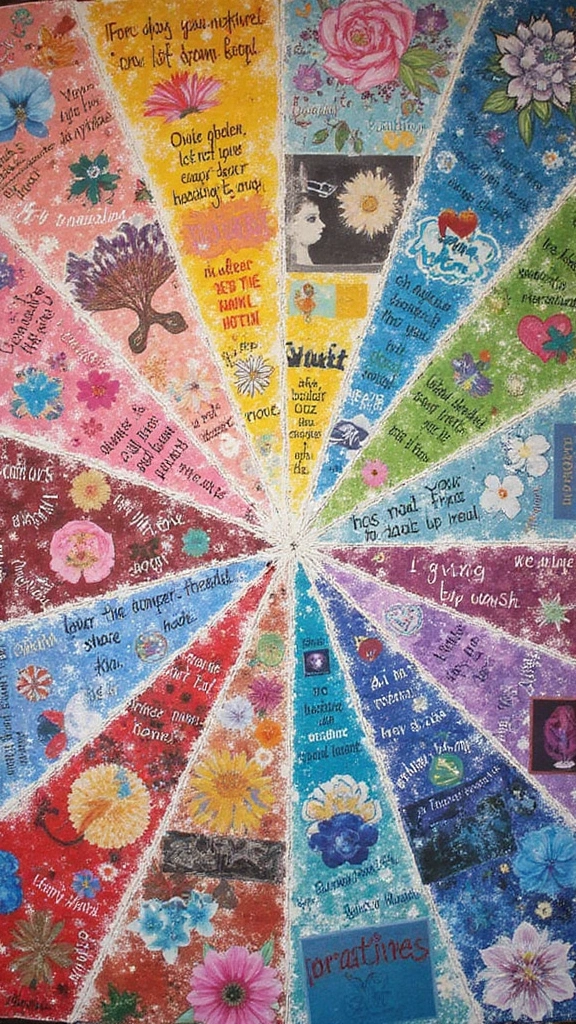
Words matter. When you’re in the darkest part of recovery, a single sentence can shift your perspective. Not because it erases the pain, but because it reminds you that others have survived this too.
Inspirational quotes work best when they’re personal. Not generic motivational posters, but words that speak directly to where you are right now. Some people find strength in poetry. Others in spiritual texts. Some in memoirs of people who rebuilt after loss.
Keep these words visible. Write them on sticky notes. Set them as phone reminders. Read them when you wake up and when doubt creeps in at night. The repetition rewires your thinking. Over time, you start to believe them.
But here’s the truth: words alone don’t heal you. They’re tools. They work best alongside action, therapy, and time. They remind you that you’re not the first person to feel this way. They give you permission to keep going on days when you don’t feel strong.
Find the words that resonate with you. Ignore the rest. Your recovery is personal. Your inspiration should be too.
4. Create a Co-Parenting Plan That Works

If you have children, co-parenting becomes your new partnership. This is different from marriage. It’s structured, intentional, and focused on one goal: your children’s stability and wellbeing.
A solid co-parenting plan removes guesswork. It outlines custody schedules, holiday arrangements, decision-making authority, and communication protocols. When everything is clear in writing, there’s less room for conflict.
The plan should prioritize your children’s needs above your own comfort. That means consistent schedules they can count on. It means both parents staying involved in major decisions. It means keeping adult conflict away from them.
Communication with your co-parent needs to be businesslike. Not cold, but professional. Stick to logistics and child-related matters. Use email or a co-parenting app if direct conversation triggers old arguments. This boundary protects everyone.
Your children will adjust better when they see both parents committed to their wellbeing. When they see you cooperating despite the divorce. When they know they don’t have to choose sides. A thoughtful co-parenting plan makes all of that possible.
5. Prioritize Self-Care as Non-Negotiable

Self-care after divorce is not indulgence. It’s survival. When your nervous system is in overdrive from stress and grief, basic care becomes medicine.
Start with the fundamentals. Sleep. Nutrition. Movement. These aren’t luxuries. They’re the foundation everything else is built on. When you’re exhausted and malnourished, every emotion feels bigger. Every setback feels permanent. Taking care of your body gives your mind a fighting chance.
Beyond the basics, self-care looks different for everyone. For some it’s exercise. For others it’s creative pursuits. Some people need quiet time alone. Others need social connection. Pay attention to what actually restores you, not what you think should restore you.
Set boundaries around self-care. Protect this time like you would a business meeting. Don’t let guilt convince you that taking care of yourself is selfish. Your children need a parent who is functioning. Your friends need someone who isn’t depleted. You need to be okay.
Self-care also means saying no. No to obligations that drain you. No to people who don’t respect your healing. No to timelines that don’t match your pace. Every no to something that doesn’t serve you is a yes to your recovery.
6. Foster Independence in Your Children

Divorce changes your children’s world. One of the best things you can do is help them develop the skills to navigate change. That means fostering independence, not dependence.
Children who learn to manage their own emotions, solve their own problems, and handle basic responsibilities become resilient adults. They’re less likely to blame themselves for the divorce. They’re more likely to adapt to the new family structure.
Start with age-appropriate tasks. Young children can help with simple chores. Older children can manage homework, basic cooking, and personal organization. Teenagers can handle more complex responsibilities. The goal is not perfection. It’s competence and confidence.
Let them struggle sometimes. Struggle builds capability. If you rescue them from every difficulty, they learn that they can’t handle hard things. If you let them work through challenges with your support, they learn they’re capable.
Talk to them about the divorce in honest, age-appropriate ways. Let them express their feelings without judgment. Don’t use them as emotional support or confidants. They’re children. They need you to be the stable adult.
When your children see you rebuilding your own life, they learn that setbacks don’t define you. They learn that change can lead to growth. That’s the most valuable lesson you can teach them.
7. Embrace Change as a New Adventure

Change is terrifying when it’s forced on you. But change is also opportunity. The life you had is gone. The life you build next is entirely up to you.
This is the moment to ask big questions. Where do you want to live? What kind of work fulfills you? What relationships do you want to invest in? What experiences have you always wanted but never pursued? These questions don’t have to be answered immediately. But asking them opens possibilities.
Some changes will be small. A new hobby. A different hairstyle. A fresh approach to how you spend your time. Other changes will be bigger. A new job. A move. A complete reimagining of your daily life. Both matter.
The adventure mindset doesn’t mean pretending the divorce didn’t hurt. It means acknowledging the pain and choosing to look forward anyway. It means treating this chapter as a story you’re writing, not a punishment you’re enduring.
You get to decide what comes next. Not your ex. Not your family. Not society’s expectations. You. That’s the real gift hidden inside this loss. The freedom to choose your own direction.
8. Focus on Healthy Communication

Communication broke down in your marriage. That’s often part of why it ended. Now you have a chance to learn what healthy communication actually looks like.
Healthy communication starts with honesty. Not brutal honesty that wounds for the sake of truth, but genuine expression of what you think and feel. It means saying what you mean instead of hinting or hoping the other person figures it out.
It also means listening. Real listening, not just waiting for your turn to talk. When someone shares something with you, your job is to understand, not to fix or judge. This applies to your co-parent, your children, your friends, and eventually to new relationships.
Set boundaries around communication. You don’t have to respond to every text immediately. You don’t have to engage in conversations that feel unsafe. You can say, “I’m not ready to talk about that right now” and mean it.
Learn to express needs without blame. Instead of “You never listen to me,” try “I need to feel heard when I’m sharing something important.” The first creates defensiveness. The second opens dialogue.
Communication skills take practice. You’ll mess up. You’ll fall into old patterns. That’s normal. What matters is noticing when it happens and trying again.
9. Turn Grief into Growth

Grief is not something to get over. It’s something to move through. And as you move through it, you change. You grow. You become someone different than you were before.
The pain you feel right now is real. Honor it. Don’t rush past it or pretend it’s not there. Cry when you need to. Sit with the sadness. Let yourself feel the full weight of what you’ve lost. This is not weakness. This is how healing actually works.
But also notice what else is happening. You’re learning about your own strength. You’re discovering what you can survive. You’re finding out who shows up for you and who doesn’t. You’re developing compassion for yourself and others going through hard things.
Growth doesn’t erase grief. They exist together. You can miss what was and be excited about what’s coming. You can feel sad about the loss and grateful for what you’re learning. Both are true.
Some of the most meaningful parts of your life will come from this difficult season. Not because the divorce was good. But because you chose to face it, learn from it, and let it shape you into someone stronger. That’s the alchemy of turning pain into growth.
10. Celebrate Your Progress

Progress after divorce is easy to miss. You’re looking for big transformations. Meanwhile, small victories are happening every day.
You got out of bed on a hard morning. That’s progress. You had a conversation with your ex without it turning into a fight. That’s progress. You laughed at something and meant it. You made plans for next month. You tried something new. You set a boundary. You asked for help. These are all progress.
Celebrate them. Not in a way that feels forced, but genuinely acknowledge what you’re doing. Tell a friend. Write it down. Let yourself feel proud.
Progress isn’t linear. You’ll have setbacks. Days when you feel like you’re back at the beginning. That doesn’t erase the ground you’ve already covered. It just means healing is complicated. It takes time. It requires patience with yourself.
Mark the milestones. The first holiday alone. The first time you do something you couldn’t do while married. The first day you don’t think about the divorce. The first time you feel genuinely happy about your future. These moments matter.
You’re not the same person you were before the divorce. You’re not supposed to be. You’re becoming someone who knows what it feels like to lose everything and keep going. Someone who can rebuild. Someone who is stronger than they knew. That’s worth celebrating.
11. Moving Forward with Clarity and Purpose

Moving forward after divorce is not about forgetting. It’s about integrating what happened into your story and choosing what comes next.
You’ve survived something hard. You’ve learned things about yourself. You’ve discovered what matters and what doesn’t. You’ve felt pain and kept going. That’s not nothing. That’s everything.
The identity you’re reclaiming is not the one you had before. It’s something new. Something that includes your past but isn’t defined by it. It’s the version of you that knows how to rebuild. That knows how to choose yourself. That knows how to keep going.
Your future is not written yet. That’s the point. You get to write it. Not perfectly. Not without mistakes. But authentically. On your terms. In your own time.
The divorce was an ending. But it’s also a beginning. What you do with this beginning is entirely up to you. Choose wisely. Choose yourself. Choose growth. Choose the life you actually want to live.
You’ve got this.



Leave a Reply