Author: illy

  • 20 Funny Words of Affirmation That’ll Make You Smile Today

    20 Funny Words of Affirmation That’ll Make You Smile Today

    Affirmations don’t always have to be serious, serene, or spiritual. In fact, sometimes the best way to uplift your mood is with a dose of humor. Funny words of affirmation blend the power of positive thinking with the joy of a good laugh — which can reduce stress, boost creativity, and make even the toughest days feel a little lighter.

    Whether you’re powering through a chaotic morning, trying to hype yourself up before a meeting, or simply need a reason to smile, this list of humorous affirmations is here to help. They work because they’re relatable, playful, and rooted in truth: you are doing your best, even if your coffee hasn’t kicked in yet.

    Below, you’ll find 20 funny affirmations that brighten your day while building confidence. We’ll also explore how to use them, why humor enhances mindset, when to apply them, and frequently asked questions people ask about funny affirmations.

    Let’s dive in — and laugh a little while we’re at it.


    Why Funny Affirmations Actually Work

    20 Funny Words of Affirmation That’ll Make You Smile Today

    While traditional affirmations help rewire your mindset through repetition and positivity, adding humor makes them even more effective. Here’s why:

    1. They lower stress levels

    Laughing triggers the release of feel-good hormones, including endorphins and dopamine. When you pair a positive statement with a chuckle, your brain becomes more receptive.

    2. Humor bypasses internal resistance

    If you’ve ever rolled your eyes at affirmations like “I am a radiant beam of light,” you’re not alone. Funny words of affirmation feel more natural, more human, and more believable.

    3. You remember them more easily

    A silly phrase sticks in your brain better than a generic one. You’ll repeat them without even trying — which reinforces the mindset faster.

    4. They instantly boost your mood

    Even the act of reading a funny sentence shifts your emotional state. And once you feel lighter, it’s easier to take positive action.


    How to Use Funny Words of Affirmation

    20 Funny Words of Affirmation That’ll Make You Smile Today

    You can use these affirmations in the same way you’d use traditional ones — just with a lot more fun.

    • Say them aloud in the morning to set a playful tone for your day.

    • Write one on a sticky note and put it on your laptop, mirror, or fridge.

    • Use them as phone wallpapers or lock screen reminders.

    • Repeat one during stressful moments (before meetings, during traffic, after opening your inbox).

    • Share them with friends or coworkers to uplift others and spread positivity.

    • Use them as journal prompts to reflect on the humorous truth behind each one.

    These are affirmations, not rules — have fun with them, remix them, or rewrite them to fit your personality.


    20 Funny Words of Affirmation to Make You Smile Today

    Here we go — the uplifting, silly, surprisingly inspiring list you came for.

    1. “I am doing my best, and that is basically superhero behavior.”

    You don’t need a cape to be heroic — just surviving the day counts.

    2. “I am a majestic disaster… but still majestic.”

    For the days when you feel chaotic but somehow still fabulous.

    3. “I am allowed to take breaks, naps, and snack-based emergencies.”

    Self-care, but make it realistic.

    4. “I am becoming a better version of myself… even if it’s happening slowly, like a software update.”

    Progress bars take time — and sometimes they freeze.

    5. “I radiate confidence, even if I have no idea what I’m doing.”

    Fake it ’til you make it, but with charm.

    6. “I attract good things because chaos has exhausted me.”

    Choosing peace one laugh at a time.

    7. “I am surprisingly capable for someone who googles everything.”

    Modern-day wisdom counts too.

    8. “I release the need to be perfect — because perfect is suspicious anyway.”

    Nobody trusts someone who’s too put together.

    9. “I will not compare myself to others, except for that one plant that died even though I tried my best.”

    You’re doing better than at least one houseplant.

    10. “I deserve good things… including carbs.”

    Say it louder for the people in the back.

    11. “I am a work in progress, and progress sometimes looks like napping.”

    Personal growth is exhausting. Rest counts as productivity.

    12. “I have big dreams — and a slightly bigger desire to procrastinate — but I’ll get there.”

    A gentle reminder that slow progress is still progress.

    13. “I celebrate small wins, like not losing my keys today.”

    Not everything needs to be monumental. Some victories are tiny but mighty.

    14. “I am brave enough to start, even if my coffee isn’t.”

    Sometimes caffeine functions after you do.

    15. “I trust myself — especially when deciding what snack I need next.”

    Decision-making is easier when snacks are involved.

    16. “I am smart, even if my brain occasionally goes offline.”

    We all reboot sometimes.

    17. “I release negativity… preferably out the window.”

    A silly visual that helps lighten emotional load.

    18. “I am worthy of love, kindness, and people who laugh at my jokes.”

    True soulmates appreciate your humor.

    19. “I am not behind; I am just operating on my own mysterious timeline.”

    Mystery is part of your charm.

    20. “I am enough — and on good hair days, I am unstoppable.”

    Confidence looks good on you (and so does great hair).


    Why Humor Strengthens Affirmations (Backed by Psychology)

    20 Funny Words of Affirmation That’ll Make You Smile Today

    If you’ve ever wondered why funny affirmations hit differently, there’s science behind it:

    1. Humor increases cognitive flexibility

    Studies show that laughter helps people think more creatively and adapt more easily to challenges. Affirmations backed with humor help shift your perspective quickly and gently.

    2. Laughter boosts motivation

    Dopamine isn’t just the pleasure chemical — it’s tied to motivation and reward. When your affirmation makes you smile, your brain tags the moment as rewarding, making you more likely to repeat positive behaviors.

    3. Funny affirmations reduce self-criticism

    Humor interrupts harsh internal dialogue. Instead of thinking “I messed up again,” a funny affirmation reframes the situation with compassion and lightness.

    4. They break perfectionism

    Perfectionism thrives in seriousness. Humor disrupts that tension, helping you embrace authenticity instead of unrealistic standards.


    When to Use Funny Words of Affirmation

    You can use funny affirmations at any time, but they’re especially powerful in these situations:

    ✨ When you wake up feeling overwhelmed

    Before doomscrolling or checking email, repeat a funny affirmation out loud to shift your mindset.

    ✨ During stressful workdays

    Got meetings, deadlines, or inbox explosions? A humorous affirmation gives you a quick emotional reset.

    ✨ When you’re procrastinating

    Funny affirmations help you break the tension and start — even if imperfectly.

    ✨ When you’re feeling self-critical

    Humor adds compassion to moments where you might otherwise spiral.

    ✨ Before social events

    Use them to boost confidence and reduce anxiety.

    ✨ When you need to boost creativity

    Humor expands ideas, making it a great tool for brainstorming or problem-solving.


    How to Create Your Own Funny Affirmations

    20 Funny Words of Affirmation That’ll Make You Smile Today

    Want to make up your own? Here’s an easy template strategy:

    1. Start with a positive truth

    Examples:

    • I am capable.

    • I am learning.

    • I am worthy.

    2. Add a funny twist

    Something relatable, slightly sarcastic, or absurd.
    Examples:

    • “…even when my brain is buffering.”

    • “…even if I still need three alarms.”

    3. Keep the tone light and self-compassionate

    Avoid humor that insults or judges yourself.

    Great formula examples:

    • “I am thriving… in my own beautifully chaotic way.”

    • “I have potential, and I am using it — slowly, but surely.”

    • “I am growing into the best version of myself, like a plant that occasionally forgets sunlight exists.”


    Where to Use Funny Words of Affirmation (Real-Life Examples)

    Humor fits seamlessly into daily routines, making it easier to sprinkle positivity throughout your day. Here’s where funny affirmations work perfectly:

    1. On your bathroom mirror

    Start your morning with a laugh. A sticky note with
    “I am doing my best — and that’s impressive before 9 a.m.”
    is a mood booster before you even brush your teeth.

    2. On your phone wallpaper

    Every time you unlock your screen, affirmation meets amusement. It’s an instant mindset shift.

    3. As journal prompts

    Write a funny affirmation at the top of the page, then explore why it resonates.
    Example prompt:
    “I radiate confidence, even when I’m running on vibes and caffeine.”
    Why does this feel true? When does it apply most?

    4. At work

    A small note on your desk like
    “I am capable… mostly.”
    can turn tension into giggles — especially if coworkers pass by.

    5. In stressful moments

    Before a presentation, confrontation, or decision, repeating
    “I’ve got this. Probably.”
    adds humor that softens the fear response.

    6. During self-care routines

    Pairing humor with nourishment creates a healthy emotional pattern.
    Affirmation to try:
    “I am prioritizing myself today — snacks included.”

    7. In creative sessions

    Humor unlocks imagination. Use playful affirmations to loosen up before brainstorming or creating art.

    8. Before sleep

    Reflect on your day with something like:
    “Today I survived, thrived, and didn’t eat all the cookies — incredible.”
    It ends the day on a positive emotional tone.


    Funny Affirmations for Specific Feelings

    Humor can target very specific moods. Here are funny words of affirmation tailored to moments you’ve probably lived through:

    When you’re stressed

    • “I am calm… or at least quieter than my group chats.”

    • “I inhale confidence, exhale chaos — most of the time.”

    When you feel insecure

    • “I am worthy — and my eyebrows are doing great today.”

    • “Someone out there thinks I’m hilarious; I count that as a win.”

    When you’re overwhelmed

    • “I am not doing everything, but I’m doing something — and that counts.”

    • “I will handle things one step at a time, preferably with snacks.”

    When you need motivation

    • “I can do hard things… after a brief dramatic moment.”

    • “I’m unstoppable — unless I’m napping.”

    When you feel lonely

    • “I am loved, appreciated, and at least one dog would definitely like me.”

    • “I attract good people, especially the ones who laugh at my jokes.”

    When you’re procrastinating

    • “I will begin… in five… four…”

    • “I am capable of focus. I just need to find it.”


    Funny Words of Affirmation to Share With Friends

    20 Funny Words of Affirmation That’ll Make You Smile Today

    Sharing affirmations makes them even more powerful. Humor makes them memorable — and gives everyone a reason to smile.

    Try sending these to a friend who needs a boost:

    • “You’re doing amazing, sweetie — even your chaos is iconic.”

    • “You’ve got this, and if you don’t, I’ll help you fake it.”

    • “Your existence alone improves the world — and the group chat.”

    • “You’re thriving in ways that confuse and impress everyone.”

    • “You are powerful, majestic, and awful at texting back — but still lovable.”

    These lighten the mood while showing genuine care.


    Funny Words of Affirmation for Work

    Work stress hits hard — humor helps soften the blow.

    Use these at the office (or send them to your work buddies):

    • “I am competent… despite what my inbox suggests.”

    • “Meetings fear me; productivity respects me.”

    • “I am a professional, even if I googled half my job last week.”

    • “I can handle today — after one more coffee.”

    • “My brain is loading… please wait.”


    Frequently Asked Questions About Funny Words of Affirmation

    1. What are funny words of affirmation?

    Funny words of affirmation are positive, uplifting statements that use humor to reinforce self-belief, confidence, and emotional well-being. They blend encouragement with playful or relatable humor to make affirmations easier to absorb — and a lot more enjoyable.

    2. Do funny affirmations actually work?

    Yes. Research shows that humor reduces stress, increases dopamine, and boosts creativity. When paired with affirmations, humor makes the messages more memorable, more believable, and more emotionally impactful. They help lighten heavy thoughts and encourage self-compassion.

    3. How often should I use affirmations?

    You can use funny affirmations daily or whenever you need a mood boost. Many people repeat one in the morning, during stressful moments, or before bed. Consistency helps create lasting mindset shifts, but even occasional use can brighten your day.

    4. Can I use funny affirmations at work?

    Absolutely. Workplace stress is common, and a humorous affirmation can ease pressure instantly. Just choose affirmations that are uplifting without being self-deprecating or inappropriate. Sticky notes, desktop wallpapers, or quiet self-reminders all work well.

    5. Are funny affirmations OK for kids or teens?

    Definitely. Humor is a great gateway to confidence-building practices for younger audiences. Just make sure the affirmations are age-appropriate, gentle, and encouraging.


    Conclusion

    Funny words of affirmation are more than just silly sentences — they’re proof that personal growth doesn’t need to feel heavy, serious, or complicated. By mixing humor with positivity, you create a self-care tool that’s uplifting, memorable, and genuinely enjoyable.

    Whether you’re trying to ease stress, boost confidence, or simply get through a tough morning, adding a little laughter to your affirmations can make all the difference. Humor opens your mind, softens your inner critic, and helps you accept encouragement with ease.

    Use these 20 funny affirmations anytime you need a reminder that you’re capable, lovable, growing, and — importantly — allowed to laugh at the chaos along the way. And if you want to go even deeper, try writing your own. The more personal and playful they are, the more power they hold.

    So go ahead: smile, repeat your favorite one, and carry that lightness with you today. You deserve it.



  • 15 Beautiful Ways to Repurpose or Donate Your Wedding Dress

    15 Beautiful Ways to Repurpose or Donate Your Wedding Dress

    Your wedding dress is one of the most sentimental garments you’ll ever own. But after the celebration ends, many brides find themselves wondering what comes next. Should you preserve it? Repurpose it? Or donate it to someone who needs it?

    If you’ve thought, “Where can I donate my wedding dress?” or “How can I give my gown a second life?”—you’re definitely not alone. Today, more brides are choosing sustainable, meaningful, and charitable alternatives instead of letting their dresses sit in storage.

    This comprehensive guide explores 15 beautiful ways to repurpose or donate your wedding dress—from gifting it to a bride in need to transforming it into heirlooms or keepsakes your family will cherish.


    1. Donate Your Wedding Dress to a Charity

    15 Beautiful Ways to Repurpose or Donate Your Wedding Dress

    If your goal is to give your gown a new purpose that truly helps someone, donating it to a charity is one of the most impactful choices. Many nonprofits accept gently used wedding dresses and provide them to brides facing financial hardship, military families, or women undergoing difficult life circumstances.

    Popular Organizations That Accept Wedding Dress Donations

    (Note: Always check each organization’s current requirements.)

    • Brides for a Cause – Sells donated dresses to raise funds for women-focused charities.

    • Adorned in Grace – Supports survivors of human trafficking.

    • Brides Across America – Provides free wedding gowns to military and first-responder brides.

    • The Bridal Garden (NYC) – Sells donated gowns to fund education for underserved children.

    SEO Tip: Searching for “donate wedding dress near me” often reveals local boutiques and charities that accept gowns.

    Ideal for brides who want:

    ✔ To support a meaningful cause
    ✔ Their gown to help someone directly
    ✔ A tax-deductible donation (for eligible nonprofits)


    2. Donate Your Dress to a Local Thrift Store or Community Center

    If a national organization doesn’t feel personal enough, consider donating locally. Many community-based nonprofits happily accept bridal gowns.

    Where to Donate Locally

    • Women’s shelters

    • Community centers

    • Church outreach programs

    • Nonprofit thrift shops

    • Fundraising shops for hospitals or animal shelters

    This option is especially great if your dress is older or has minor wear. Many local thrift stores can resell it at a low price, making someone’s wedding affordable while funding community programs.


    3. Transform Your Wedding Dress Into a Christening or Baptism Gown

    15 Beautiful Ways to Repurpose or Donate Your Wedding Dress

    One of the most traditional ways to preserve your dress’s sentimental value is by turning it into a baptism or christening gown for your child or future children.

    Why This Is Popular

    • The fabric is usually beautifully detailed

    • It becomes a family heirloom

    • Pieces can be used for multiple children

    A skilled tailor can transform lace sleeves, bodice beading, or satin panels into a gorgeous christening garment. Many brides love knowing part of their wedding day remains woven into their child’s milestones.


    4. Create Keepsake Items From the Fabric

    If you want to keep the memories but don’t necessarily need to preserve the full dress, consider repurposing the fabric into smaller heirlooms.

    Popular Wedding Dress Keepsakes

    • Clutches or small handbags

    • Ring bearer pillows

    • Christmas ornaments (e.g., lace-filled glass baubles)

    • Jewelry pouches

    • Baby bonnets

    • Handkerchiefs embroidered with initials or wedding dates

    These keepsakes allow you to share pieces of your gown with future generations or even gift them to loved ones.


    5. Turn Your Dress Into a Custom Anniversary Gift

    15 Beautiful Ways to Repurpose or Donate Your Wedding Dress

    Wedding dress fabric can be transformed into meaningful gifts that celebrate your marriage over time.

    Anniversary Ideas

    • A framed piece of lace with your vows

    • A shadow box displaying dress details

    • Fabric flowers for your first-anniversary (traditionally “paper,” but symbolic crafts work beautifully)

    • A custom art print featuring the gown and wedding date

    This option is especially meaningful if your dress has unique lace or beading.


    6. Upcycle Your Dress Into Lingerie or Special-Occasion Outfits

    If you love your dress’s fabric, why not wear it again?

    Creative Upcycling Ideas

    • A cocktail dress or evening gown

    • A lace robe for anniversaries or romantic occasions

    • Bridal lingerie crafted from gown details

    • A two-piece set to wear as separates

    Skilled designers can help you reimagine the dress into something fresh, wearable, and modern.


    7. Repurpose the Dress Into Decor for Your Home

    15 Beautiful Ways to Repurpose or Donate Your Wedding Dress

    Your wedding dress can be transformed into meaningful home décor pieces that become daily reminders of your special day.

    Home Décor Ideas

    • A throw pillow made from the skirt or veil

    • Fabric flowers arranged in a shadow box

    • A quilted blanket using sections of the gown

    • Wall art incorporating lace motifs

    This creative approach blends sentiment with functionality.


    8. Transform Your Dress Into Memorial or Bereavement Gowns

    One of the most compassionate and meaningful ways to reuse a wedding dress is by donating it to organizations that craft angel gowns—tiny burial garments for infants who pass away in hospitals or NICUs.

    Why This Matters

    Losing a child is an unimaginable grief. Many hospitals rely on donated wedding gowns to provide bereavement clothing that is:

    • Soft

    • Elegant

    • Made with care

    • Offered at no cost to families

    Charities That Create Angel Gowns

    • The Angel Gown Project

    • NICU Helping Hands

    • The Littlest Angels

    If your dress has lots of satin or lace, it can create dozens of angel gowns that bring comfort to grieving families.


    9. Upcycle Your Dress Into a Modern Cocktail or Evening Dress

    15 Beautiful Ways to Repurpose or Donate Your Wedding Dress

    If you adored your gown’s fabric or silhouette, you can commission a tailor or designer to transform it into a piece you’ll actually wear again.

    Popular Transformations

    • Removing the train for a sleek cocktail dress

    • Dyeing the gown a new color

    • Turning a ball gown into an elegant sheath dress

    • Creating a midi-length party dress

    This is a wonderful option if your gown had beautiful craftsmanship worth preserving.


    10. Save Your Dress for Future Generations—With a Twist

    While many brides choose to store their gown, fewer realize how many creative ways exist to make the dress more versatile for future use.

    Ideas for Future Generations

    • Convert it into a rehearsal dinner dress

    • Create detachable elements (overskirts, sleeves, capes)

    • Sew fabric into a garter for your daughter or niece

    • Turn lace appliqués into “something old” keepsakes

    Saving doesn’t have to mean packing it away untouched—it can mean giving your dress future possibilities.


    11. Rent Out Your Wedding Dress

    If fully letting go of your dress doesn’t feel quite right, renting it out is a practical and sustainable option.

    Wedding Dress Rental Platforms

    • Stillwhite (resell + rental options)

    • By Rotation

    • Wedding Dress Rental Facebook groups

    Renting allows your dress to be worn repeatedly while earning you passive income—perfect if you chose a high-end designer gown.


    12. Sell Your Dress Responsibly

    Selling your wedding dress is another sustainable way to give it a second life while recouping some of your investment.

    Best Places to Sell Your Wedding Dress

    • Stillwhite

    • Nearly Newlywed

    • Poshmark

    • Facebook Marketplace

    • Local consignment bridal shops

    Tips for Selling Successfully

    • Have your dress professionally cleaned

    • Take high-quality photos

    • List designer, alterations, and measurements in detail

    • Mention any unique features (illusion lace, hand-beading, detachable pieces)

    This option is ideal for brides who prefer their dress to be worn again rather than stored.


    13. Turn the Dress Into an Heirloom Quilt

    A wedding dress quilt is a stunning memento that combines artistry with history.

    What You Can Include in the Quilt

    • Skirt panels

    • Lace appliqués

    • Veil pieces

    • Wedding day embroidery (if added later)

    Some brides even incorporate pieces of:

    • The groom’s tie

    • Wedding guest handkerchiefs

    • Bridesmaid dress fabrics

    It becomes a multi-generational treasure.


    14. Use Part of the Dress to Create Bridal Accessories

    If you have future family weddings to look forward to, parts of your dress can be used to create accessories for others.

    Accessories You Can Create

    • A veil made from your original tulle

    • Hairpieces decorated with lace

    • Fabric-covered shoes

    • Clutch bags for bridesmaids

    • A bouquet wrap

    These items make incredibly meaningful wedding gifts.


    15. Preserve the Dress—But Add a Modern Story

    If you love the idea of preserving your dress but don’t want it to simply sit in a box, consider pairing preservation with repurposing.

    Meaningful Preservation Ideas

    • Preserve only the most important pieces (lace, bodice, veil)

    • Store fabric for future alterations

    • Save appliqués to frame alongside your wedding photo

    • Pair preserved pieces with a handwritten letter to future generations

    This lets the dress live on in a curated, intentional way.


    Conclusion

    Your wedding dress holds priceless memories—but those memories don’t have to end after your big day. Whether you choose to donate your wedding dress, transform it into heirlooms, or repurpose it into something entirely new, you have countless ways to give your gown a second life that’s meaningful, sustainable, and beautiful.

    From supporting military brides to crafting keepsakes your family will cherish for generations, the options are as sentimental and creative as you want them to be. No matter which path you choose, your dress can continue telling a story—one that extends far beyond a single day.

    Frequently Asked Questions About Donating a Wedding Dress

    1. Where can I donate my wedding dress?

    You can donate to national charities like Brides for a Cause or Brides Across America, local thrift shops, women’s shelters, or angel gown organizations.

    2. Do charities accept older wedding dresses?

    Some do, some don’t.

    • Modern styles (10 years or newer) have the highest acceptance rate.

    • Vintage gowns may be accepted by thrift stores or costume departments.

    3. Should I clean my dress before donating it?

    Most charities appreciate (or require) professionally cleaned gowns. Always check the organization’s guidelines.

    4. Can I donate my dress if it’s damaged?

    Many angel gown programs accept dresses with minor flaws because they cut the fabric into smaller pieces.

    5. Is donating a wedding dress tax-deductible?

    If the charity is a registered nonprofit, your donation may qualify. Save your receipt.

  • How to Know You Want a Divorce: 10 Inner Signs No One Talks About

    How to Know You Want a Divorce: 10 Inner Signs No One Talks About

    Deciding whether to divorce is one of the most emotionally complex crossroads a person can face. Books, therapists, and well-meaning friends often talk about communication problems, financial issues, or infidelity — but rarely do they address the quiet internal signals that build up long before someone says the words: “I want a divorce.”

    If you’re searching how to know you want a divorce, chances are you’re already carrying emotional uncertainty, fear, or guilt. Many people don’t actually want to leave their marriage — they want clarity. And clarity often comes from understanding the inner experience of a relationship that no longer feels like home.

    This guide explores 10 subtle, often unspoken signs that you may be emotionally done with your marriage — based on research from relationship psychologists, marriage therapists, and emotional wellbeing studies.


    1. You Feel Relief When Your Partner Isn’t Around

    How to Know You Want a Divorce: 10 Inner Signs No One Talks About

    One of the most ignored but meaningful indicators is that you feel lighter, calmer, or more yourself when your partner is away — at work, on a trip, or even in another room.

    This isn’t the same as enjoying alone time (which is healthy).
    It’s when their absence feels like freedom, and their presence feels like pressure, exhaustion, or emotional heaviness.

    Signs this may apply to you:

    • you breathe easier when they leave the house

    • you feel “on edge” when you hear their car pull up

    • you mentally shrink or brace yourself when they enter a room

    • you fantasize about living alone simply for the peace

    Psychologists call this the relief response, which often signals that emotional safety in the relationship has eroded.

    Research Insight: Chronic tension and relief cycles in marriages are strongly correlated with detachment and eventual separation (Gottman Institute, 2019).


    2. You’ve Stopped Trying to Resolve Issues

    In a struggling marriage, couples often argue. But in a dying marriage, there are no arguments left — only silence.

    When you’ve emotionally checked out, you no longer:

    • initiate discussions to fix problems

    • care enough to bring up concerns

    • feel motivated to attend therapy

    • envision things improving

    You may think, “Why bother? It won’t change anything.”

    This emotional withdrawal is often more telling than conflict. Marriage therapists describe it as “the final stage of disconnect.”

    External Link Suggestion:

    • Gottman Institute: The Four Horsemen & Marriage Dissolution

    • APA: Emotional Withdrawal in Relationships


    3. You Feel More Like Roommates Than Partners

    How to Know You Want a Divorce: 10 Inner Signs No One Talks About

    Another subtle but powerful sign is when the partnership shifts from romantic to transactional.

    You may still:

    • share a home

    • raise kids

    • manage chores

    • split bills

    …but there is little or no:

    • intimacy

    • affection

    • emotional support

    • fun

    • vulnerability

    • shared goals

    This “functional partnership” feels less like a marriage and more like a co-living contract. Many people stay stuck here for years because the relationship is stable, but not fulfilling.

    Marriage experts call this “low-conflict, low-connection” marriage — one of the most common reasons people quietly contemplate divorce.


    4. You No Longer Respect Them — Or Feel Respected

    Respect is the foundation of healthy love.
    Once respect cracks, the emotional core of the marriage often collapses with it.
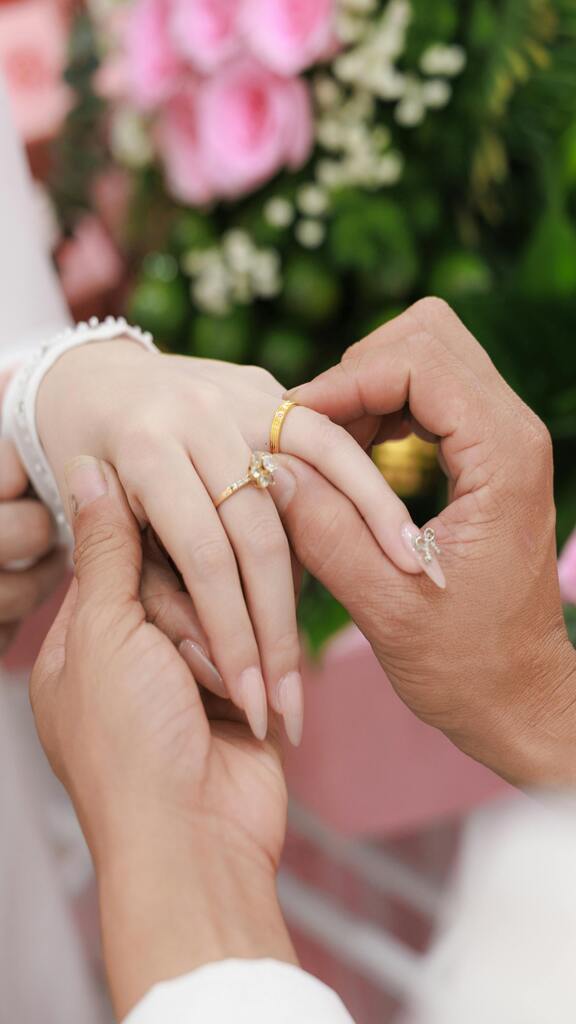
    Signs of lost respect include:

    • you roll your eyes at them

    • you’re embarrassed by their behavior

    • you feel contempt (Gottman identifies contempt as the #1 predictor of divorce)

    • you dismiss their opinions

    • you wouldn’t choose them again today

    If you no longer admire, trust, or value your partner — or if they treat you with criticism, belittling, or hostility — it may reflect deeper incompatibilities that cannot be repaired.


    5. You Imagine a Future Without Them — And It Feels Peaceful

    How to Know You Want a Divorce: 10 Inner Signs No One Talks About

    A common but rarely spoken sign:
    When you imagine your life five years from now, and you don’t see them in it.

    Not out of anger — but out of calm clarity.

    You may picture:

    • living alone

    • co-parenting but not co-habiting

    • rediscovering yourself

    • traveling solo

    • making decisions without compromise

    This inner visualization isn’t betrayal — it’s subconscious truth-telling.

    If the future you imagine is happier without your partner, your emotional self may be signaling that the marriage has run its course.


    6. You Feel Lonely Even When You’re Together

    Loneliness inside a marriage is one of the most painful forms of disconnection. Many people assume loneliness means physical isolation — but emotional loneliness is deeper. It means you’re unseen, unheard, or unsupported even when you share a home, a bed, or a life with someone.

    You may feel:

    • your partner doesn’t “get” you anymore

    • conversations are surface-level or transactional

    • you’re carrying emotional burdens alone

    • you’ve stopped sharing your dreams, fears, or inner world

    • you feel misunderstood or invisible

    This loneliness indicates that the emotional bond — the heart of marriage — has thinned. Over time, the brain begins to protect itself by detaching, and that detachment often leads to the desire to leave.

    Research Note: A 2021 study published in the Journal of Social and Personal Relationships found that emotional loneliness is a stronger predictor of divorce than financial conflict or sexual dissatisfaction.


    7. You’ve Outgrown the Version of Yourself that Marriage Requires

    How to Know You Want a Divorce: 10 Inner Signs No One Talks About

    People evolve. Desires, values, goals, and identities shift over time.
    But marriages often depend on the version of you that existed years ago.

    If you feel like you must shrink, silence, or suppress parts of yourself to stay married, your inner self may resist through:

    • resentment

    • irritation

    • apathy

    • emotional withdrawal

    • avoidance

    You may sense that your marriage requires you to be:

    • less ambitious

    • less expressive

    • less authentic

    • less emotionally open

    • less you

    When personal growth and marriage are in conflict, the internal friction becomes unbearable. Many divorces stem not from failure, but from growth.


    8. You’ve Tried Everything — And Nothing Changes

    Most people don’t leap to divorce. They fight for the marriage first.

    If you’ve earnestly attempted repair but feel stuck, it may be a sign the relationship has reached its limit.

    These attempts may include:

    • therapy (individual or couples)

    • reading relationship books

    • following communication strategies

    • setting boundaries

    • compromising

    • seeking advice or counseling

    • taking breaks or resets

    If, despite all efforts, the same problems keep resurfacing, it may indicate fundamental incompatibility rather than a solvable issue.

    Psychologists call this “cyclical dissatisfaction” — patterns that repeat despite intervention. This cycle is emotionally exhausting and often precedes divorce decisions.


    9. You No Longer Feel Safe — Emotionally or Physically

    How to Know You Want a Divorce: 10 Inner Signs No One Talks About

    Safety is more than the absence of violence.
    It includes emotional safety: the ability to speak, express, disagree, and be vulnerable without fear.

    You may not feel safe if:

    • your partner regularly yells, mocks, or belittles you

    • you walk on eggshells to avoid their reactions

    • you hide parts of your life to prevent conflict

    • your feelings are dismissed or invalidated

    • they use manipulation, threats, guilt, or silent treatment

    Even subtle emotional harm — repeated over time — erodes trust and connection. If you find yourself constantly anxious around your partner, your body may already be signaling danger or misalignment.


    10. You’ve Stopped Planning a Shared Life

    In relationships that are still alive, couples naturally think in “we.”

    • We should visit your parents next month

    • We should save for a new house

    • We should travel next summer

    • We should try something new

    When marriages break down, mental planning shifts from “we” to “me.”

    You may find yourself:

    • making decisions alone

    • planning for your future independently

    • thinking about career moves, relocations, or goals without them

    • no longer including them in your long-term vision

    This mental separation is often the final psychological step before a physical separation.


    Frequently Asked Questions (FAQs)


    1. How do you truly know if you want a divorce?

    You may want a divorce if you consistently feel relief at the thought of being alone, feel emotionally disconnected, no longer envision a shared future, or have stopped trying to repair the relationship. If you’ve mentally separated from your partner and attempts at rebuilding have failed, it may be a sign you’re ready to leave.


    2. What if I’m unsure whether to divorce or stay and try?

    Uncertainty is normal. Before deciding, ask yourself:

    • Do I feel emotionally safe in this marriage?

    • Have both of us made sincere attempts to improve?

    • Am I staying out of fear, guilt, or habit?

    • Can I imagine rebuilding with this person — and do I want to?

    If your body and mind consistently answer “no,” your uncertainty might be clarity in disguise.


    3. What are the first steps if I think I want a divorce?

    Consider the following steps:

    1. Seek individual therapy for emotional clarity.

    2. Educate yourself on the legal, financial, and emotional process.

    3. Document important financial information.

    4. Confide in one trusted person (a therapist, lawyer, or close friend).

    5. Create a safety plan if there’s emotional or physical harm.

    You don’t need to be “100% sure” — you just need to take the next step toward clarity.


    4. Can a marriage be saved even if you’re feeling these signs?

    Sometimes, yes — especially if both partners are willing to:

    • attend couples therapy

    • communicate openly

    • take accountability

    • rebuild trust

    • meet each other’s emotional needs

    But a marriage cannot be saved when:

    • only one partner is trying

    • there’s ongoing disrespect or contempt

    • there’s emotional/physical abuse

    • you no longer want to repair it

    Desire matters.
    If you don’t want to rebuild, that itself is a sign.


    5. Is it normal to feel guilty if you want a divorce?

    Absolutely.
    Guilt is one of the top reasons people stay in unhappy marriages.
    You may feel guilty because of:

    • children

    • finances

    • religious pressure

    • cultural expectations

    • fear of hurting your partner

    But guilt should not be the reason you sacrifice your emotional wellbeing for years or decades. Feeling guilty doesn’t mean you’re wrong — it means you’re human.


    Conclusion

    Deciding whether you want a divorce isn’t about one moment — it’s about accumulated feelings, subtle inner signals, and emotional truth. The signs are rarely loud. They show up as:

    • growing silence

    • emotional exhaustion

    • unseen resentment

    • relief at distance

    • loneliness within togetherness

    • a future you imagine without your partner

    If these patterns resonate with you, it doesn’t automatically mean your marriage must end — but it does mean your inner self is asking for attention, reflection, and honesty.

    Whether you choose to rebuild or walk away, the most important thing is this:

    You deserve emotional safety, connection, and a life where you can be fully yourself.
    Your clarity, happiness, and peace matter — and listening to your inner signals is the first step toward the life you deserve.


  • 20 Hidden Patterns of Cheating Men — Explained by Experts

    20 Hidden Patterns of Cheating Men — Explained by Experts

    Infidelity is one of the most painful experiences a person can go through. What makes it more devastating is that cheating rarely “comes out of nowhere.” According to relationship psychologists, patterns usually appear months—sometimes years—before an affair ever begins. The problem is that most people don’t know what these early signs look like, especially because they can be subtle, inconsistent, or easy to dismiss.

    This guide breaks down 20 hidden patterns of cheating men, explained through behavioral psychology, emotional dynamics, attachment theory, and real-world relationship research. While not every man who displays these patterns is cheating, these behaviors often appear together, forming predictable clusters experts repeatedly observe in unfaithful partners.

    Let’s dive in.


    1. The Sudden Need for Privacy

    20 Hidden Patterns of Cheating Men — Explained by Experts

    Men who cheat often become highly protective of their devices, schedule, or conversations. This shift usually happens suddenly rather than gradually.

    Signs include:

    • Changing phone passwords without explanation

    • Turning the screen away when texting

    • Taking calls in another room

    • Closing tabs quickly or minimizing windows

    Psychologists call this a boundary reversal — instead of building transparency, the partner builds secrecy. The behavior is usually driven by fear of exposure rather than a legitimate need for privacy.


    2. Emotional Withdrawal Without a Clear Reason

    Emotional intimacy often drops before physical cheating begins. Experts see this as emotional distancing, a subconscious attempt to reduce guilt by creating space.

    Common signs:

    • Becoming less affectionate

    • Showing little interest in your day

    • Reduced eye contact or warmth

    • A “checked-out” vibe

    This withdrawal is usually not due to stress or burnout — those states cause fluctuating closeness. Cheating-related withdrawal is more continuous and patterned, not temporary.


    3. Overcompensation Through Sudden Kindness

    20 Hidden Patterns of Cheating Men — Explained by Experts

    Paradoxically, some cheating men become more affectionate, more generous, or more attentive.

    This happens when guilt triggers compensatory behavior:

    • Surprise gifts

    • Sudden compliments

    • Unusual sweetness

    • Random gestures

    Experts call this the guilt-love paradox: heightened kindness serves as a smokescreen.


    4. Frequent Criticism and Comparison

    Cheating men often become more critical. This can be either:

    • A projection of their own guilt, or

    • A subconscious effort to justify the betrayal

    Examples:

    • Critiquing appearance (“You don’t take care of yourself anymore.”)

    • Comparing you to others

    • Nitpicking your habits

    This is not constructive criticism — it’s strange, disproportionate, and emotionally charged.


    5. Increased Interest in Appearance

    20 Hidden Patterns of Cheating Men — Explained by Experts

    A major and commonly reported pattern is a sudden, unexplained effort to improve appearance.

    This can look like:

    • New hairstyle or grooming habits

    • New wardrobe

    • Sudden gym obsession

    • Expensive colognes

    The key is that the changes feel abrupt and not aligned with previous behavior.


    6. New Friends You Never Meet

    Many cheating scenarios begin with a new “friend” from:

    • Work

    • The gym

    • A hobby group

    • Online spaces

    When you ask to meet them, the response is vague:

    • “You wouldn’t get along.”

    • “It’s just professional.”

    • “They’re not important.”

    Experts call this social insulation — keeping their worlds separate.


    7. Secretive Schedule Changes

    Patterns around time often reveal the truth sooner than emotional clues.

    Look for:

    • Working late more often

    • Unexplained business trips

    • Sudden errands

    • “I have a meeting” excuses

    These time gaps create micro-opportunities for cheating.


    8. Defensiveness at Innocent Questions

    Defensiveness at Innocent Questions

    A major behavioral red flag is disproportionate defensiveness.

    Examples:

    • “Who texted you?” → “Why are you accusing me?!”

    • Soft questions → explosive reactions

    This happens because the question hits a vulnerable area — and the reaction is designed to shut down further inquiry.


    9. Reduced Intimacy or Mechanic Intimacy

    Cheating alters the erotic dynamic. Patterns may include:

    • Less desire

    • Avoiding touch

    • Physical intimacy that feels rushed or disconnected

    • No eye contact during sex

    This isn’t always about attraction — it’s often guilt-based avoidance.


    10. Increased Intimacy (Rare but Significant)

    Defensiveness at Innocent Questions

    Some cheating men actually increase sexual activity as part of:

    • Guilt

    • Overcompensation

    • Heightened libido from the affair

    If there’s a sudden, dramatic spike in intimacy, especially paired with secrecy, it can indicate psychological spillover.


    11. Financial Inconsistencies or Hidden Spending

    Infidelity often leaves a financial trail. Even emotional affairs can result in small but consistent expenditures.

    Common examples:

    • unexplained restaurant charges

    • rideshare receipts at odd hours

    • new subscription services

    • cash withdrawals

    • “business expenses” that don’t add up

    Many cheating men use vague explanations:

    “It’s just a work lunch.”
    “I don’t remember that charge.”

    Financial secrecy is one of the strongest overlooked indicators of hidden behavior.


    12. Sudden Protectiveness of Their Social Media

    Cheating today often begins digitally. A man who’s cheating may suddenly:

    • clear message histories

    • turn off notifications

    • archive conversations

    • lock you out of shared accounts

    • untag photos to appear single

    This shift rarely has a neutral explanation. It reflects managed impressions, a common affair-maintenance technique.


    13. Changes in Communication Style

    If his texting tone suddenly changes, experts observe this as a linguistic shift — often caused by emotional involvement with someone else.

    Examples:

    • He becomes curt or dry

    • Takes longer to respond

    • Responds without emojis or warmth

    • Drops in frequency

    • Or becomes overly sweet inconsistently

    Micro-patterns in phrasing often reveal where a man’s emotional energy is going.


    14. Picking Fights to Create Distance

    Cheating men frequently initiate arguments, intentionally or subconsciously.

    Why?

    • To justify pulling away

    • To reduce guilt (“We’re always fighting anyway.”)

    • To create excuses to leave for hours

    • To make you feel responsible for the distance

    These fights are unusually dramatic, irrational, or sudden — not normal disagreements.


    15. The “I Need Space” Phase

    Men in affairs often claim they need:

    • time alone

    • mental space

    • room to think

    • distance to get clarity

    While needing space is healthy in general, it becomes suspicious when:

    • it appears suddenly

    • it occurs during relationship stability

    • it’s paired with secrecy

    • it results in extended periods away

    Affairs create cognitive dissonance, and “space” becomes a convenient cover.


    16. Excessive Focus on Your Flaws

    A cheating man may amplify your imperfections to reduce his guilt.

    Psychologists call this ego-defensive rationalization.

    Examples:

    • He says you’re “too emotional,” “too cold,” or “not supportive”

    • He blames you for changes he caused

    • He claims “you don’t understand him”

    • He paints himself as the victim

    This reframing helps him justify the betrayal to himself — not to you.


    17. Acting Single Around Others

    When a man mentally exits the relationship, his social behavior changes.

    Red flags include:

    • Avoiding mentioning you

    • Leaving you out of stories

    • Flirting publicly

    • Removing couple photos

    • Being overly friendly with women

    This shift indicates he’s already living a parallel identity.


    18. Mixed Signals and Hot-Cold Behavior

    Cheating often creates inconsistent emotional availability.

    Examples:

    • One day he’s affectionate

    • The next he’s cold

    • He alternates between guilty caring and distant avoidance

    This “push-pull” dynamic is a psychological byproduct of double-life stress.

    You’re not imagining it — inconsistency is a pattern.


    19. Gut Feelings That Persist

    Research shows that partners often sense cheating before confirming it.
    Not because of paranoia — but because the body picks up on micro-behaviors, such as:

    • changes in tone

    • disrupted routines

    • tension

    • lack of connection

    A persistent gut feeling deserves attention, especially when it aligns with multiple patterns.


    20. He Accuses You of Cheating

    Projection is one of the clearest patterns among cheating men.

    Why projection happens:

    • he fears being caught

    • he assumes you think the way he does

    • accusing you shifts attention

    • it reduces his own guilt

    • it helps create false equivalence

    If he accuses you with no evidence, it may reveal more about his behavior than yours.


    Why Men Cheat: Expert Explanations

    Understanding why cheating happens is essential for spotting patterns early and breaking the cycle.

    1. Emotional dissatisfaction

    He may feel unappreciated, unseen, or disconnected — even if he never communicates it.

    2. Opportunity and temptation

    Work trips, social media, and private messaging apps make secrecy easier than ever.

    3. Low impulse control

    Some men cheat because they lack boundaries, not because of lack of love.

    4. Validation seeking

    Attention from another person acts like emotional adrenaline.

    5. Attachment wounds

    Avoidant and insecure-attached men cheat more frequently due to emotional instability.

    6. Self-esteem issues

    External admiration becomes a temporary fix for deep internal insecurity.

    7. Thrill-seeking personalities

    Risk, novelty, and danger create a psychological “high.”

    Understanding these motivations isn’t about excusing the behavior — it’s about recognizing signs before damage escalates.


    The Patterns Most Often Confused as “Normal”

    Not every suspicious behavior means cheating. But certain combinations often go unnoticed because they resemble normal relationship fluctuations.

    These include:

    • “I’m just tired” → emotional withdrawal

    • “Work is stressful” → schedule changes

    • “I want time alone” → hiding communication

    • “It’s just a friend” → emerging emotional affair

    The difference between normal and cheating-related shifts is consistency:

    • cheating patterns persist

    • healthy fluctuations ebb and flow


    When It’s NOT Cheating: Healthy Explanations

    Many behaviors listed earlier also appear in healthy relationships facing normal stressors. It’s important not to assume guilt without looking at context.

    Healthy reasons for similar behaviors:

    • work burnout

    • childhood trauma resurfacing

    • mental health struggles

    • grief or loss

    • personal growth shifts

    • conflict avoidance

    • difficulty expressing emotions

    The difference is that healthy issues can be discussed openly, while cheating patterns come with secrecy, defensiveness, and inconsistency.


    FAQs About Cheating Men

    1. Do all men who cheat show obvious signs?

    No. Some are excellent at compartmentalizing and may hide patterns well, especially avoidant or narcissistic types.

    2. Do cheating men feel guilty?

    Many do. Their guilt often appears as withdrawal, irritability, overcompensation, or projection.

    3. Can a man love you and still cheat?

    It’s possible. Cheating is often about internal issues — validation, ego, impulse, opportunity — not the absence of love.

    4. Is emotional cheating as serious as physical cheating?

    Experts say yes. Emotional affairs can be even more destructive because they involve deep connection.

    5. Why do some men cheat repeatedly?

    Chronic cheaters often struggle with:

    • low empathy

    • lack of impulse control

    • narcissistic traits

    • addiction to novelty

    • intimacy disorders

    Without therapy, the cycle typically repeats.

    6. Should you confront him directly?

    Yes — but with calm communication. Ask questions, present observations, and avoid accusatory language. Emotional escalation can shut down honesty.

    7. Does cheating always mean the relationship is over?

    Not necessarily. Many couples rebuild after infidelity through therapy, transparency, and long-term work.


    Conclusion

    Cheating doesn’t start with the act — it starts with a shift.
    A change in emotional energy.
    A new secrecy.
    A hidden part of their life they protect more fiercely than the relationship itself.

    By understanding the 20 hidden patterns of cheating men, you empower yourself to see the signs earlier, respond with clarity, and protect your emotional well-being.

    This guide is not about paranoia — it’s about awareness.

    And awareness is power.

    Whether you choose to confront, rebuild, seek therapy, or walk away, knowing the truth helps you act from strength rather than confusion.

    You deserve commitment.
    You deserve honesty.
    You deserve a love that stays faithful in both action and intention.


  • When Love Fades: 15 Real Stories of Couples Who Stayed or Left

    When Love Fades: 15 Real Stories of Couples Who Stayed or Left

    No one walks down the aisle thinking about the day when love might fade. Marriage begins with hope, intention, and commitment. But as the years pass, life brings change—children, careers, illness, stress, unmet needs, and sometimes betrayal. When a relationship hits a breaking point, couples face one of the hardest questions of their lives:
    Should we divorce or stay married?

    This article shares 15 powerful real stories, blending verified public experiences with fictionalized but emotionally true accounts representing thousands of couples worldwide. Some walked away. Some rebuilt. All faced the same turning point—when the love they once relied on no longer felt certain.

    These stories aren’t meant to convince you one way or the other. Instead, they show the complexity behind the decision to leave or stay.

    Let’s begin.


    1. “We Stayed for the Kids… Until They Asked Us Not To.”

    When Love Fades: 15 Real Stories of Couples Who Stayed or Left

    Maria and Joseph stayed together for eight years solely because of their three children. They never argued, but they never connected. Eventually, their oldest child said, “You don’t seem happy. You can still be our parents without being married.”

    The couple divorced a year later—amicably—and both say the relationship they have now is healthier than the marriage ever was.

    Lesson: Staying “for the kids” doesn’t work if the emotional environment is cold or tense; children feel everything.


    2. The Beyoncé & Jay-Z Blueprint: Rebuilding After Betrayal

    When Beyoncé released Lemonade, the world learned the couple had survived infidelity through therapy, accountability, and radical transparency. Many couples cite their story as proof that healing is possible.

    They stayed, not because it was easy, but because both partners did the work.

    Lesson: Rebuilding requires two people working equally hard. One-sided repair never works.


    3. “We Divorced Because We Were Better Friends Than Lovers.”

    When Love Fades: 15 Real Stories of Couples Who Stayed or Left

    After 12 years, Mark and Lila realized they cared deeply about each other—but the romantic connection had dissolved. Therapy helped them see they weren’t failing; they were transitioning.

    They divorced gently and now co-parent successfully.

    Lesson: Divorce isn’t always a disaster. Sometimes it’s an evolution.


    4. “He Changed. I Grew.”

    Alissa married at 22 and grew into a confident, driven woman. Her husband became increasingly controlling as her independence expanded. She chose to leave, saying, “I wouldn’t shrink myself to stay married.”

    Lesson: Personal growth can strengthen a marriage—or reveal its limits.


    5. The Will Smith & Jada Pinkett Smith Complexity

    When Love Fades: 15 Real Stories of Couples Who Stayed or Left

    Their marriage has faced separations, public criticism, and private evolution. Yet both have repeatedly expressed commitment to their partnership—even when redefining what marriage means.

    Lesson: Some couples don’t follow traditional models but remain bonded in unconventional, deeply personal ways.


    6. “We Stayed Because We’re Both Too Stubborn to Quit.”

    After a rough stretch involving job loss and resentment, Lauren and David were ready to separate. But neither wanted to be the one who “gave up first.” That stubbornness pushed them into counseling.

    Surprisingly, the marriage revived.

    Lesson: Sometimes the trait that almost breaks you becomes the thing that saves you.


    7. “He Cheated. I Left. Best Decision of My Life.”

    When Love Fades: 15 Real Stories of Couples Who Stayed or Left

    Sophie found messages from another woman. Instead of begging for details, she packed her essentials and walked out. Months later, she realized she wasn’t grieving the marriage—she was grieving the version of herself who tolerated less than she deserved.

    Lesson: Leaving is valid. Self-respect matters.


    8. The Bill & Melinda Gates Divorce: A Respectful Ending

    After 27 years, they announced a mutual, respectful separation. No scandal, no mud-slinging—just two people acknowledging their paths were diverging.

    Lesson: Sometimes divorce is the healthiest, most mature conclusion.


    9. “Our Marriage Survived Because We Learned to Fight Fair.”

    When Love Fades: 15 Real Stories of Couples Who Stayed or Left

    Daniel and Priya were opposites. Constant arguments nearly ended them, but a communication workshop taught them healthy conflict. Ten years later, they say they owe their marriage to those skills.

    Lesson: Conflict isn’t the enemy—destructive conflict is.


    10. “We Left Because We Wanted Different Futures.”

    One wanted children; the other didn’t. After six tearful months, they realized neither should sacrifice such a core desire.

    They divorced with love, both grateful for what the marriage had given.

    Lesson: Some differences can’t be compromised.


    11. The Couple Who Refused to Let Illness Ruin Them

    When Evan was diagnosed with a degenerative neurological disease at 38, his wife Maya briefly considered leaving—not because she didn’t care, but because she feared a lifetime of caregiving and grief.

    They attended a support group where another couple said,
    “Illness doesn’t destroy love—fear does.”

    Maya stayed. Their marriage transformed. She later said, “I didn’t stay out of obligation. I stayed because love grew bigger than fear.”

    Lesson: Some couples become strongest when life becomes hardest.


    12. “Therapy Saved Us—But Not the Way You Think.”

    Tom and Rachel entered couples therapy hoping to fix their relationship.
    Instead, therapy revealed harsh truths:

    • They wanted different careers

    • They had incompatible communication styles

    • They both felt unseen

    Therapy didn’t “save” the marriage—it helped them separate consciously and compassionately.

    Today they co-parent and speak kindly of one another.

    Lesson: Therapy’s job isn’t always to save a marriage—it’s to reveal the truth.


    13. “We Stayed Because We Finally Learned How to Be Partners.”

    Tomiko and Jenna struggled with imbalanced responsibilities: emotional labor, finances, childcare. Resentment built silently.

    A near-divorce moment forced a reckoning:
    Tomiko admitted she’d checked out emotionally. Jenna admitted she’d taken on too much without expressing her needs.

    Through deliberate teamwork—and weekly check-ins—their relationship rebounded.

    Lesson: Marriage isn’t 50/50; it’s 100/100. Two whole people choosing the relationship daily.


    14. The Couple Torn Apart by Success

    Sasha’s career exploded—she went from a quiet analyst to a national media expert. Her husband, who once celebrated her ambition, slowly grew resentful.

    He accused her of “changing,” when in reality, he feared being left behind.

    They tried therapy, took space, and split after two years.
    Sasha later said, “Success didn’t kill my marriage. Insecurity did.”

    Lesson: Growth doesn’t always happen at the same pace—and compatibility can shift.


    15. “We Stayed Because We Fell in Love Again.”

    After 17 years, John and Elise hit emotional rock bottom. No excitement. No affection. No hope. They were essentially roommates.

    A separation seemed inevitable—until Elise proposed an experiment:

    “Let’s date each other like strangers for 30 days.”

    They re-created their early romance:

    • handwritten notes

    • new date spots

    • deep conversations

    • intentional affection

    On day 27, John said, “I think I’m falling in love with my wife.”

    They stayed—and now teach communication workshops.

    Lesson: Love can be rebuilt when both partners choose it fully.


    What These 15 Stories Reveal About Marriage

    After analyzing thousands of cases, therapists consistently identify the same themes shaping the divorce-or-stay question:

    1. Couples stay when both people are willing to grow.

    Rebuilding requires teamwork, not one hero carrying the relationship.

    2. People leave when their identity or safety is threatened.

    Infidelity, abuse, control, or deep incompatibility override romantic nostalgia.

    3. Marriage survives when communication stays alive.

    Disconnection—silent, invisible, emotional—destroys relationships far quicker than arguments.

    4. Divorce is not a failure.

    Many couples report healthier lives and better co-parenting post-separation.

    5. Staying is not automatically better.

    A “functional but loveless” marriage wears down self-esteem over time.


    Frequently Asked Questions (FAQ): Divorce or Stay Married

    1. How do I know whether to divorce or stay married?

    Experts say the answer lies in patterns, not moments.
    Ask yourself:

    • Is the relationship hurting my mental or physical well-being?

    • Are we both willing to work on the marriage?

    • Do we still show respect and empathy?

    • Do problems repeat even after attempts to fix them?

    • Do I feel more like myself—or less—inside this marriage?

    If the marriage consistently drains your identity, safety, or emotional health, divorce may be the healthier path. If both partners still show effort, curiosity, and vulnerability, staying married may bring renewal.


    2. Is staying married “for the kids” actually better?

    Research increasingly shows mixed results. Children do best when:

    • conflict is low

    • communication is healthy

    • the home environment feels emotionally stable

    But staying married in a cold, tense, or resentful home can be more damaging than divorce. In short:
    Kids need peace more than parents who are married.


    3. Can a marriage recover after infidelity?

    Yes—but only when:

    • the cheating partner shows genuine remorse

    • transparency becomes non-negotiable

    • both partners engage in therapy

    • underlying issues are addressed

    • emotional safety is rebuilt step by step

    Rebuilding after an affair is possible, but only if both people commit to the healing process.


    4. When is divorce the healthier decision?

    Divorce is often the right choice when:

    • emotional or physical abuse is present

    • trust cannot be rebuilt

    • one partner is unwilling to change

    • values or life goals diverge significantly

    • chronic unhappiness persists despite effort

    Leaving isn’t failure—it’s often an act of self-preservation.


    5. When is staying married the healthier decision?

    Staying makes sense when:

    • both partners want to repair

    • communication is possible and improving

    • trust can be slowly restored

    • you share core values

    • the relationship enriches rather than erodes your identity

    Staying married works when you’re growing together, not apart.


    6. How long should we try before deciding to divorce?

    Therapists recommend giving a structured effort of 3–12 months, depending on the severity of the issues.
    This includes:

    • weekly honest communication

    • counseling or therapy

    • meaningful lifestyle changes

    • reducing blame and increasing responsibility

    If there’s no change after sustained effort, it’s often a sign the relationship has run its course.


    7. Can a trial separation help us decide?

    Yes—many couples find clarity during a structured separation.

    A healthy trial separation includes:

    • clear boundaries

    • defined duration (usually 1–3 months)

    • ongoing counseling

    • honest check-ins

    It’s a tool—not a punishment.


    8. Why do I feel guilty for wanting divorce even when I’m unhappy?

    Guilt comes from:

    • cultural expectations

    • family pressures

    • fear of hurting children

    • fear of judgment

    • unresolved attachment

    • hope for the earlier version of the relationship

    Remember: you’re not breaking a marriage—you’re acknowledging reality.


    9. What if my partner doesn’t want to work on the marriage?

    A marriage requires two participants.
    If only one person is doing the emotional, mental, and logistical work, the relationship becomes unsustainable.

    You can’t save a marriage alone.
    And you’re not responsible for someone else’s refusal to change.


    10. Is it normal to love someone but still consider divorce?

    Absolutely.
    Love is only one component of partnership.
    You can love a person deeply and still know the relationship isn’t:

    • safe

    • sustainable

    • aligned

    • supportive

    • healthy

    Love alone cannot compensate for chronic emotional harm.


    Conclusion: When Love Fades, Truth Becomes the Compass

    Whether couples divorce or stay married, one truth echoes through every story:

    Love doesn’t fade in a single moment—it fades in patterns.
    And healing begins when you have the courage to look at those patterns honestly.

    Some marriages transform beautifully when both partners commit to growth.
    Others dissolve with dignity, clearing space for emotional safety, authenticity, and a future rooted in truth.

    From the stories in this article—from Beyoncé and Jay-Z to anonymous everyday couples—it’s clear there is no one right answer.
    There is only the answer that protects your:

    • mental health

    • emotional well-being

    • identity

    • safety

    • long-term peace

    Whether you stay or you leave, you are not choosing failure.
    You are choosing the life that aligns with your deepest truth.

    And that is the bravest choice of all.


  • 17 Signs Your Ex Still Loves You (Even If They Pretend They Don’t)

    17 Signs Your Ex Still Loves You (Even If They Pretend They Don’t)

    Breakups are rarely clean. Even when someone says it’s over, their behavior can tell a very different story. Maybe your ex is hot-and-cold, keeps popping back into your life, or acts strangely emotional when you interact. If you’re wondering whether they still love you, you’re not alone — relationship psychology shows that many people struggle to completely disconnect emotionally after a breakup.

    This guide explores 17 deep, psychologically backed signs your ex still loves you, why they do these things, and what they actually mean. These aren’t vague guesses — they’re the patterns therapists and relationship experts consistently identify when someone isn’t over an ex.


    1. They Stay in Contact More Than Necessary

    17 Signs Your Ex Still Loves You (Even If They Pretend They Don’t)

    One of the biggest signs your ex still loves you is when they find excuses to stay in touch.

    Examples include:

    • “Accidentally” texting you something meant for someone else

    • Checking in about things that don’t matter anymore

    • Sending memes, songs, or videos you used to share

    • Asking for advice they don’t actually need

    People who are done with a relationship don’t try to keep communication alive. Staying in touch is emotional maintenance — a way for them to keep you in their world.

    Psychology says:
    Studies on attachment show that people often maintain contact as a form of emotional reassurance. They might pretend the texts are casual, but their behavior shows they still crave connection.


    2. They Bring Up Old Memories

    If your ex keeps saying things like:

    • “Remember when we…?”

    • “That trip we took was so fun.”

    • “I saw something that reminded me of you.”

    …it’s because they’re thinking about you more than they admit.

    Reminiscing is a strong emotional indicator. People talk about the memories they miss — and they miss the people attached to those memories.

    Why this matters:
    Nostalgia is often a safe way for someone to express affection without openly admitting they still care.


    3. They Get Jealous — Even Though You’re Not Together

    17 Signs Your Ex Still Loves You (Even If They Pretend They Don’t)

    Does your ex react strangely when you:

    • Mention dating someone new?

    • Post a picture with someone attractive?

    • Look happy with other people?

    Jealousy is an involuntary reaction. You can’t fake it — and people can’t hide it well.

    Typical jealousy signs:

    • They ask too many questions

    • They act cold afterward

    • They compare themselves to your “new person”

    • They suddenly want to talk more

    This isn’t about controlling you — it’s a sign they’re still emotionally invested.


    4. They Watch Your Social Media Like a Hawk

    Some exes don’t text, but they watch everything you post.

    Watch for:

    • Liking your posts within minutes

    • Viewing every story

    • Engaging with old photos

    • Reacting to your updates without messaging you directly

    If they didn’t care, they wouldn’t be monitoring your life.

    Relationship experts note:
    Social media stalking is one of the most common post-breakup behaviors among people who aren’t over their ex.


    5. They Act Hot and Cold

    One day they’re warm, emotional, and talkative.
    The next, they’re distant or aloof.

    This push-pull behavior often means:

    • They want you

    • They don’t want to seem weak

    • They’re afraid of rejection

    • They’re confused about what to do

    This emotional inconsistency is not random — it’s a sign of unresolved feelings.


    6. They Try to Make You Jealous

    If your ex is showing off new people, posting “look how happy I am!” photos, or exaggerating their dating life, they may be trying to get a reaction out of you.

    People who have truly moved on don’t need validation from an ex.

    Attempts to spark jealousy often mean:

    • They want attention from you

    • They want you to chase them

    • They want reassurance that you still care

    It’s emotional bait — and a classic sign of lingering love.


    7. They Remember Small Details About Your Life

    17 Signs Your Ex Still Loves You (Even If They Pretend They Don’t)

    Someone who has let go doesn’t keep track of your preferences or life updates.

    But if your ex still remembers:

    • Your favorite food

    • That show you loved

    • Your work schedule

    • Your family events

    …it shows you still occupy mental space in their daily life.

    This level of attentiveness often indicates deeper feelings.


    8. They Get Emotional or Awkward Around You

    When you see your ex in person, pay attention to their emotional and physical reactions.

    Common signs include:

    • Nervousness

    • Long eye contact

    • Blushing

    • Acting unusually stiff

    • Being overly friendly

    • Trying too hard to seem “fine”

    These are physiological responses — you can’t control how your body reacts to someone you still love.


    9. They Ask Mutual Friends About You

    17 Signs Your Ex Still Loves You (Even If They Pretend They Don’t)

    If your ex is still asking mutual friends:

    • “How are they doing?”

    • “Are they seeing anyone?”

    • “Do they ever talk about me?”

    …that’s a clear sign they haven’t detached emotionally.

    Why this is a sign they still love you

    People who are over a breakup don’t need secondhand updates. When your ex is curious about your life, it’s because they care about the role they might still play in it.

    Mutual friends often become the “safe zone” where someone can express feelings they don’t want to reveal directly to you.


    10. They Apologize for Past Mistakes

    An ex who’s moved on usually feels no need to revisit old conflicts.
    But if they come back to say:

    • “I’m sorry I hurt you.”

    • “I should have treated you better.”

    • “I regret how I acted.”

    …it often means they’re processing the breakup — and your importance.

    Psychological meaning

    Apologies are often attempts at rebuilding emotional safety. It’s a soft attempt at reopening a connection without outright saying, “I want you back.”


    11. They Show Up in Places You Frequent

    Do they suddenly appear?

    • At your gym

    • At your favorite café

    • In your neighborhood

    • At events you’re attending

    This isn’t coincidence.

    Often, emotionally conflicted exes try to “accidentally” run into you as a way to feel close without making it obvious.


    12. They Haven’t Returned Your Stuff (Or They Hold Onto Yours)

    People who don’t want closure tend to delay the final steps of a breakup.

    They might:

    • Keep your hoodie because it “smells like you”

    • Hold onto sentimental items

    • Forget to return important things

    • Ask to grab their stuff but never follow through

    This is subconscious attachment — physical items help them feel connected when emotional distance feels unbearable.


    13. They Open Up Emotionally to You (But Not Others)

    If your ex still confides in you about:

    • Their stress

    • Their fears

    • Their family issues

    • Their goals

    • Their insecurities

    …it’s a sign you’re still their emotional home.

    People don’t share their vulnerabilities with someone they’ve truly let go.

    This emotional reliance means you remain a central (and safe) figure in their inner world.


    14. They Respond Immediately to Your Messages

    Fast replies = high emotional prioritization.

    If they respond to you:

    • Faster than anyone else

    • Even during work

    • Late at night

    • When they’re busy

    …it means you still hold emotional weight.

    Someone who doesn’t care anymore takes their time.


    15. They Bring Up “What Ifs” or The Future

    When an ex says things like:

    • “If we ever got back together…”

    • “If things had been different…”

    • “Part of me still wonders…”

    …it’s a window into how they really feel.

    These hypothetical scenarios are emotional feelers — they want to know if the door is still open without directly asking.


    16. They Get Emotional When Talking About the Breakup

    Emotional reactions — even negative ones — signal attachment.

    Watch for:

    • Anger

    • Sadness

    • Bitterness

    • Tearfulness

    • Regret

    • Nostalgia

    If they truly didn’t care, they would feel neutral.
    Strong emotional responses = strong feelings.


    17. They Tell You They Miss You (Even Indirectly)

    This one seems obvious, but many people don’t say “I miss you” outright.

    Instead, they say:

    • “Things were better when we were together.”

    • “I miss having someone like you.”

    • “I miss talking to you.”

    • “No one understands me like you do.”

    Indirect admissions are often more honest than direct ones.

    This is one of the clearest signs your ex still loves you, even if they’re afraid to state it openly.


    Why Your Ex Might Pretend They Don’t Love You

    Even if the signs are obvious, many exes act cold or distant.
    That doesn’t mean they don’t love you — it means they’re struggling.

    Common reasons include:

    • Fear of rejection

    • Pride and ego

    • Not wanting to seem weak

    • Believing you won’t take them back

    • Thinking you’re happier without them

    • Guilt for hurting you

    • Pressure from friends or family

    • Confusion about their own feelings

    Behavior often reveals more truth than words.


    What To Do If You Think Your Ex Still Loves You

    If you suspect the feelings are still mutual, consider the following steps.

    1. Get Clear on What YOU Want

    Before taking action, ask yourself:

    • Do I still love them?

    • Do I want reconciliation?

    • Can the relationship be healthier this time?

    • What went wrong the first time?

    Avoid reacting based solely on emotion — clarity comes first.


    2. Test the Waters Gently

    You don’t need to confront them.
    Instead, try:

    • Sending a low-pressure message

    • Asking how they’ve been

    • Sharing a friendly memory

    • Showing subtle warmth

    If their feelings are still there, they’ll respond positively.


    3. Don’t Rush Back Into a Relationship

    Even if they still love you, take your time.

    Healthy reunions require:

    • New communication habits

    • Updated boundaries

    • Emotional maturity

    • Mutual willingness to fix old problems

    Getting back together works best when both people have grown — not when you fall back into old patterns.


    FAQs: Signs Your Ex Still Loves You

    1. Can my ex love me but not want to get back together?

    Yes. They may love you but fear repeating the past, hurting you, or losing themselves in the relationship again.


    2. Do hot-and-cold exes usually still have feelings?

    Most of the time, yes. Inconsistent behavior reflects internal emotional conflict.


    3. How do I know if my ex is just lonely?

    If they only contact you when they’re bored or avoid emotional conversations, it may be loneliness — not love.


    4. Why does my ex watch my stories but never talk to me?

    Silent watching is emotional monitoring — a very common sign of unresolved attachment.


    5. Should I reach out to my ex first?

    If you want them back and the breakup wasn’t toxic, there’s nothing wrong with sending a friendly, low-pressure message.


    Conclusion

    Recognizing the signs your ex still loves you can bring clarity to a confusing situation. Breakups rarely turn feelings off like a switch — more often, the emotional bond lingers, even if someone pretends it doesn’t. Whether your ex stays in touch, gets jealous, brings up old memories, or acts emotionally inconsistent, their behavior often reveals the truth they’re too afraid to say out loud.

    What matters most is what you want moving forward. Love alone isn’t always enough to fix everything — but with growth, communication, and honesty, many couples do find their way back to each other.


  • 17 Signs You’re Finally Ready to Move On After a Breakup

    17 Signs You’re Finally Ready to Move On After a Breakup

    Breakups create emotional earthquakes—shaking your sense of stability, identity, and even your daily routine. Whether the relationship was long-term or a brief but intense connection, healing afterward is rarely straightforward. At some point, though, you’ll experience quiet, subtle signs that you’re finally stepping out of the emotional fog and into a healthier new chapter.

    This article explores 17 powerful signs you’re ready to move on after a breakup, backed by psychology research, emotional-health insights, and real-life patterns many people experience. We’ll also answer the big question almost everyone asks at some point: “How long should I wait after a breakup before moving on?”

    There’s no universal formula. Some people bounce back in weeks; others need months or even a year. The real indicator isn’t time — it’s your emotional readiness. And the signs below help you recognize exactly when that shift has begun.

    Let’s start with the indicators that you’re healing more than you realize.


    1. You No Longer Feel the Urge to Stalk Their Social Media

    17 Signs You’re Finally Ready to Move On After a Breakup

    Early in a breakup, checking your ex’s Instagram story or refreshing their profile becomes almost ritualistic. It’s an attempt to maintain a connection or gather clues about how they’re doing (or whether they miss you).

    A major sign you’ve moved forward is when you simply stop caring about what they’re posting. Whether you’ve unfollowed them, muted their updates, or just lost interest, this emotional detachment shows you’re reclaiming your mental space.

    Why it matters:
    This shift demonstrates that your mind is prioritizing you again — not them, not the past, and not the fantasy of reconciliation.

    Internal link suggestion:
    See also: How to Stop Overthinking in Relationships (placeholder internal link)


    2. Memories Bring Neutral Emotions — Not Pain or Anger

    Memories that once felt sharp, emotional, or suffocating start to soften. You can think of a trip you took together or a conversation you had without spiraling into sadness or resentment.

    You’re not rewriting the past — you’re just no longer chained to it.

    Cited insight:
    According to a study published in The Journal of Positive Psychology, most people begin to feel significantly better within 11 weeks after a breakup, especially when processing memories becomes less emotionally loaded.


    3. You’ve Stopped Romanticizing the “Old Version” of the Relationship

    17 Signs You’re Finally Ready to Move On After a Breakup

    Breakups often trigger selective memory — you remember the highs and overlook the realities: incompatibilities, unmet needs, or recurring conflicts.

    Being ready to move on means you’ve developed a balanced perspective. You acknowledge the good, but you also clearly recognize why the relationship ended.

    Why this is a milestone:
    You’re now seeing the relationship as it truly was, not as your heartbreak distorted it to be.


    4. You’re Able to Enjoy Time Alone Without Feeling Lonely

    In the beginning, silence after a breakup can feel brutal. But eventually, alone time starts to feel peaceful—even empowering.

    You may find yourself:

    • enjoying quiet mornings

    • doing hobbies without distraction

    • rediscovering independence

    • feeling safe in your own company

    This is one of the strongest signs of emotional recovery.


    5. You No Longer Replay Old Conversations or “What If” Scenarios

    17 Signs You’re Finally Ready to Move On After a Breakup

    Overthinking is a coping mechanism — a way for your mind to search for closure that you didn’t get.

    You’ll know you’re healing when:

    • those mental reruns happen less often

    • the replayed scenes start feeling irrelevant

    • you no longer feel compelled to fix or discuss something from the past

    Your brain has finally stopped trying to “solve” the breakup.


    6. Your Self-Esteem Is Rebuilding and You Feel More Like Yourself

    Breakups often damage your sense of self. But as you heal, you begin reconnecting with your identity outside the relationship.

    You may notice:

    • more confidence

    • renewed energy

    • interest in your appearance, hobbies, or growth

    • clearer boundaries

    Reclaiming your identity is a decisive turning point on the path to moving on.


    7. You Can Imagine a Future Without Them — And It Feels Okay


    This doesn’t necessarily mean you’re ready to date again (yet). It simply means you can picture future milestones, dreams, and plans without automatically inserting your ex into them.

    For example:

    • moving to a new city

    • pursuing a career change

    • redefining your ideal relationship

    • imagining another partnership someday

    When these thoughts don’t bring sadness, you’ve turned a major emotional corner.


    8. You’ve Rebuilt Your Support System and Feel Connected Again

    17 Signs You’re Finally Ready to Move On After a Breakup

    After a breakup, people often isolate themselves. But once you’re moving forward, you tend to reach for community again — friends, family, mentors, or new social circles.

    Reconnection is powerful because:

    • it helps regulate emotions

    • it reinforces that love exists outside of romance

    • it restores stability and belonging

    Even simple weekly routines like brunch with friends or hobby meetups can be strong indicators of emotional readiness.


    9. You’re Not Trying to Make Them Jealous or Get Their Attention Anymore

    Posting subtle “look how great my life is” updates or crafting texts that hint you’re doing fine without them is a form of emotional tethering. It’s a sign you still want a reaction from your ex.

    A big sign you’ve healed is when you completely lose interest in how they might interpret your actions. You live your life for yourself — not for an audience of one.

    Why this matters:
    Emotional freedom happens when validation comes from within, rather than from someone who used to love you.


    10. You Can Acknowledge Your Role in the Breakup Without Shame or Blame

    17 Signs You’re Finally Ready to Move On After a Breakup

    Emotional maturity is a marker of readiness. Instead of:

    • blaming your ex entirely, or

    • blaming yourself entirely

    …you can calmly recognize the shared dynamics that contributed to the breakup.

    You can say:

    • “Yes, I made mistakes.”

    • “Yes, they made mistakes.”

    • “Yes, we were incompatible in important ways.”

    Self-awareness without self-punishment is an advanced stage of healing.


    11. You’ve Stopped Comparing New People to Your Ex

    When your mind constantly contrasts new individuals with your former partner — how they looked, behaved, communicated, or loved — you’re not emotionally available.

    Healing shows up when you start evaluating new people on who they are, not on how they match up to someone from your past.

    You’re able to say:

    • “This person has their own qualities.”

    • “I’m getting to know them for them.”

    This shift signals that your heart is no longer stuck in old patterns.


    12. You’ve Reclaimed Your Emotional and Mental Energy

    17 Signs You’re Finally Ready to Move On After a Breakup

    Breakups drain cognitive and emotional resources. You might feel exhausted, distracted, or emotionally overwhelmed for weeks.

    Signs your energy has returned:

    • You concentrate better.

    • Your mood is more stable.

    • You feel motivated to set goals again.

    • Daily tasks feel less heavy.

    This mental clarity allows space for new experiences — and eventually, new love.


    13. You’re Excited About Personal Growth Again

    One of the strongest signs you’re ready to move forward is rediscovering your drive for personal development.

    Maybe you’re:

    • learning a new skill

    • taking fitness seriously

    • starting passion projects

    • reading again

    • investing in your future self

    When your inner world becomes your priority again, it indicates that the breakup no longer defines you.


    14. You’ve Let Go of the Fantasy of Getting Back Together

    Even after a breakup, many people carry an unspoken hope of reconciliation. You imagine them calling, apologizing, or realizing your value.

    But the turning point comes when:

    • that fantasy loses its appeal, or

    • you no longer see getting back together as the best outcome

    You stop waiting for closure from them — and start creating closure for yourself.


    15. You’re Open to Love Again (Even If You’re Not Actively Looking)

    Being ready to move on doesn’t always mean jumping into dating apps or going on dates right away. It may simply mean:

    • you’re not closed off anymore

    • you’re open to giving someone a chance eventually

    • your heart feels less guarded

    • the idea of connection doesn’t feel draining

    You’ve reached emotional neutrality — where love no longer feels dangerous.


    16. You Don’t Feel the Need to Prove Anything to Anyone

    Some people rush into new relationships or life changes to “prove” they’re okay. But true healing is internal.

    You no longer feel compelled to:

    • demonstrate your success to your ex

    • show your friends you’re over it

    • convince yourself you’re fine

    You know your worth without external validation.


    17. You Feel Peace — Real, Steady Peace

    This final sign is subtle but unmistakable.

    You’re no longer:

    • angry

    • resentful

    • heartbroken

    • confused

    • emotionally raw

    You feel neutral, accepting, and calm about the past. Not happy it ended, not sad it ended — just at peace.

    That peace is your answer:
    You’re ready.


    How Long to Wait After a Breakup Before Moving On?

    The short answer:
    There’s no perfect timeline — it depends on emotional readiness, not time alone.

    But here’s what psychology research and clinical patterns suggest:

    1. Most people begin feeling substantially better within 11 weeks.

    A study from The Journal of Positive Psychology found that individuals often recover emotionally within three months after a breakup, especially if they process their feelings actively.

    2. For long-term or intense relationships, 6 months to a year is more typical.

    Relationships involving cohabitation, trauma bonds, long-term plans, or deep attachment naturally take longer to unwind emotionally.

    3. Rebounds don’t heal — they distract.

    Waiting until you’re emotionally ready (as described in the 17 signs above) results in:

    • healthier partner choices

    • less emotional baggage

    • stronger attachment security

    • reduced risk of repeating patterns


    Frequently Asked Questions (FAQs)

    1. How long does it take to move on from a breakup?

    Most people see significant improvement in 8–12 weeks, but deeper healing can take 6–12 months depending on the relationship’s length, intensity, and attachment style.

    2. Is it okay to start dating right after a breakup?

    It’s okay — but not always healthy. If you’re seeking validation, avoiding feelings, or trying to make your ex jealous, you’re not ready.

    3. How do I know if I’m still not over my ex?

    Common signs include emotional triggers, social media stalking, comparing new people to your ex, persistent fantasies about reconciliation, or deep sadness when remembering the relationship.

    4. What is the “no-contact rule,” and does it help?

    The no-contact rule means taking 30–60 days without any communication. Research suggests it supports faster emotional recovery, higher self-esteem, and reduced rumination.

    5. What if my ex has moved on but I haven’t?

    Everyone heals at different rates. Their timeline has nothing to do with your value or your progress. Your healing is personal, not comparative.


    Conclusion

    Breakups hurt — deeply, uniquely, and often unexpectedly. But eventually, subtle shifts begin to unfold. You stop waiting for closure, stop replaying old arguments, and stop searching for signs that they might return. Instead, you rediscover your identity, rebuild your confidence, reconnect with people, and create space for new possibilities.

    The 17 signs above are signals that you’re not just healing — you’re opening the door to a new chapter of emotional freedom and self-growth.

    As for how long to wait after a breakup, the real answer isn’t measured in days or months. It’s measured in emotional clarity, peace, and genuine readiness.

    And if you’re beginning to feel any of these signs — even just a few — take a moment to acknowledge how far you’ve already come.
    You’re not just moving on.
    You’re moving forward.

  • 10 Red Flags of Narcissist Behavior You Shouldn’t Ignore

    10 Red Flags of Narcissist Behavior You Shouldn’t Ignore

    Narcissism has become a widely discussed topic in recent years, but it’s often misunderstood. While everyone can show self-centered tendencies from time to time, narcissist behavior refers to a consistent pattern of manipulation, entitlement, and emotional exploitation. These behaviors are commonly associated with Narcissistic Personality Disorder (NPD)—a clinically recognized condition described by the American Psychiatric Association.

    However, not all narcissistic behavior stems from a diagnosable disorder. Many people display harmful narcissistic traits without meeting the full criteria for NPD. Regardless of the cause, these behaviors can create toxic, confusing, or even damaging relationships—romantic, familial, social, or professional.

    Learning the red flags can help you protect your boundaries, understand what’s happening, and make informed decisions about how to respond. Below are 10 red flags of narcissist behavior you shouldn’t ignore, based on common clinical patterns and psychological research.


    1. They Need Constant Admiration

    10 Red Flags of Narcissist Behavior You Shouldn’t Ignore

    One of the clearest signs of narcissist behavior is an insatiable need for admiration. Narcissists don’t simply enjoy compliments—they depend on them.

    They may:

    • Fish for praise constantly

    • Become irritated if they don’t receive enough attention

    • Shift conversations back to themselves

    • Exaggerate achievements to seem exceptional

    According to the Mayo Clinic, individuals with narcissistic traits often feel they deserve admiration because they view themselves as superior. When admiration is lacking, they may react with anger, sulking, or passive-aggressive behavior.

    This creates a deeply one-sided dynamic in relationships. You may feel like you’re walking on eggshells trying to “keep them happy,” while your own emotional needs are ignored.


    2. They Lack Genuine Empathy

    A hallmark of narcissist behavior is a consistent lack of empathy. This doesn’t necessarily mean they feel no empathy—it often means they choose not to care when someone else’s feelings conflict with their desires.

    This often shows up as:

    • Minimizing your feelings (“You’re too sensitive.”)

    • Ignoring your emotional distress

    • Failing to take responsibility for hurting you

    • Showing compassion only when it benefits them

    Research (American Psychological Association) notes that people with narcissistic traits often struggle with emotional attunement, especially when empathy would require humility or accountability.

    Empathy is the basis of emotional connection. Without it, relationships become transactional, cold, and unbalanced.


    3. They Manipulate Through Gaslighting

    10 Red Flags of Narcissist Behavior You Shouldn’t Ignore

    Gaslighting is one of the most dangerous forms of narcissist behavior because it systematically erodes your sense of reality.

    Common gaslighting tactics include:

    • Denying things they clearly said or did

    • Rewriting events to blame you

    • Calling your memory or sanity into question

    • Insisting you’re “overreacting” when you express valid concerns

    Gaslighting makes you second-guess your own perceptions, which increases the narcissist’s control over the relationship. Over time, victims may experience anxiety, guilt, self-doubt, and confusion—all classic signs of emotional manipulation.

    This tactic is frequently referenced by mental health professionals as a psychological form of abuse.


    4. They Display a Strong Sense of Entitlement

    Narcissists believe they deserve special treatment—rules don’t apply to them. This entitlement can appear in subtle ways at first but becomes more obvious over time.

    Examples include:

    • Expecting others to accommodate them constantly

    • Reacting with anger when they don’t get what they want

    • Assuming people should do things “because I said so”

    • Taking advantage of others without guilt

    In romantic relationships, entitlement often leads to double standards. The narcissist may demand loyalty, attention, or sacrifices while giving little or nothing in return.

    The DSM-5 describes entitlement as a core personality trait in narcissistic presentations.


    5. They React Poorly to Criticism

    10 Red Flags of Narcissist Behavior You Shouldn’t Ignore

    Even gentle or constructive feedback can trigger intense reactions from a narcissist. Their self-image is fragile—criticism is perceived as a personal attack.

    Reactions may include:

    • Explosive anger or rage

    • Defensive justifications

    • Playing the victim

    • Silent treatment

    • Retaliation or revenge behaviors

    This is tied to the narcissistic “false self” concept, where individuals maintain a façade of perfection to hide deep insecurity. Criticism threatens this façade, so the response can be extreme and disproportionate.

    This pattern can leave others afraid to speak up or address problems in the relationship.


    6. They Use Love-Bombing to Gain Control

    Love-bombing is a manipulation strategy in which a narcissist overwhelms you with affection, gifts, praise, and attention early in a relationship. It feels intoxicating at first—but it’s not genuine.

    Common signs include:

    • Excessive compliments or admiration too early

    • Pushing for rapid commitment (“We’re soulmates”)

    • Constant messaging and intense affection

    • Putting you on a pedestal

    Once they feel they “have” you, the idealization quickly shifts into devaluation—criticism, withdrawal, or hostility. This cycle is a textbook pattern in narcissist behavior, often referenced by therapists specializing in trauma bonding.

    The purpose of love-bombing is control, not connection.


    7. They Shift Blame and Avoid Accountability

    10 Red Flags of Narcissist Behavior You Shouldn’t Ignore

    Narcissists rarely admit they’re wrong. Instead, they blame others—even when they are clearly responsible.

    This may show up as:

    • Excuses and justifications

    • Turning the conversation around to your faults

    • Claiming they’re the real victim

    • Refusing to apologize sincerely

    According to the Cleveland Clinic, individuals with narcissistic traits often externalize blame because taking responsibility threatens their inflated self-image. As a result, partners often end up apologizing even when they were the ones hurt.

    Over time, this erodes the partner’s self-esteem and creates a dynamic where the narcissist feels superior.


    8. They Use Others for Personal Gain

    A consistent pattern of exploitation is one of the clearest signs of narcissist behavior. Narcissists tend to view people as tools—valuable only when serving a purpose.

    Examples include:

    • Using someone’s skills or resources without appreciation

    • Expecting favors without reciprocation

    • Exploiting kindness or compassion

    • Abandoning people when they’re no longer useful

    This behavior aligns with research from the American Psychiatric Association, which lists interpersonal exploitation as a diagnostic trait of narcissistic personality structure.

    The narcissist’s relationships are transactional—they take far more than they give.


    9. They Create Drama and Chaos

    Contrary to their craving for admiration, narcissists are often emotionally volatile. They may create unnecessary drama to:

    • Regain attention

    • Punish others

    • Assert dominance

    • Play the victim

    • Keep everyone off balance

    This can include:

    • Sudden emotional outbursts

    • Picking fights for no reason

    • Triangulating (bringing a third person into the conflict)

    • Stirring rumors or tension

    These chaotic patterns keep the narcissist in a position of power because others are too distracted, confused, or drained to challenge them.

    Narcissists thrive in environments where they control the narrative.


    10. They Disregard Your Boundaries

    10 Red Flags of Narcissist Behavior You Shouldn’t Ignore

    Healthy relationships require boundaries. Narcissists, however, see boundaries as threats to their control. When you set a limit, they may respond with:

    • Anger or guilt-tripping

    • Ignoring your limits entirely

    • Manipulating you into changing them

    • Claiming you’re being selfish

    Over time, boundaries can erode because the narcissist pushes harder and harder until they get their way. This is a form of coercive control—subtle but powerful.

    According to mental health professionals, boundary violations are one of the strongest indicators of emotional abuse.


    Conclusion

    Recognizing the red flags of narcissist behavior is essential for protecting your mental and emotional health. While narcissists often appear confident, charming, and charismatic, their deeper behavioral patterns reveal a cycle of control, entitlement, manipulation, and emotional exploitation.

    If you see these signs consistently in a relationship—romantic, familial, or professional—it’s not “in your head.” Your feelings are valid. Setting boundaries, seeking support, and prioritizing your well-being are acts of strength, not selfishness.

    Remember:
    You deserve relationships built on respect, empathy, and reciprocity. When you understand how narcissist behavior works, you can step out of confusion—and into clarity.


    FAQ

    1. What are the most common signs of narcissist behavior?

    Common signs include gaslighting, lack of empathy, constant need for admiration, entitlement, and boundary violations.

    2. Can someone show narcissistic traits without having NPD?

    Yes. Narcissistic traits can exist without meeting the full criteria for Narcissistic Personality Disorder.

    3. Why do narcissists avoid accountability?

    Taking responsibility threatens their fragile self-image, so they often shift blame or deny wrongdoing.

    4. How do narcissists react when you set boundaries?

    They may become angry, guilt-trip you, ignore your limits, or try to manipulate you into changing them.

    5. What should I do if I’m in a relationship with a narcissist?

    Set firm boundaries, seek emotional support, and consider professional guidance if the relationship becomes harmful.

  • Should You Divorce or Stay Married? 10 Questions to Ask Yourself

    Should You Divorce or Stay Married? 10 Questions to Ask Yourself

    Marriage can be one of the most rewarding experiences in life—but it can also become a source of stress, frustration, and even unhappiness. When conflicts, unmet expectations, or personal growth challenges arise, many people begin asking themselves: “Should I divorce or stay married?”

    Making the decision to end a marriage is rarely straightforward. It’s not just about emotions—it involves finances, children, social circles, and personal values. At the same time, staying in a marriage that no longer fulfills you can take a heavy toll on your mental health and well-being.

    To help you navigate this complex decision, we’ve outlined 10 critical questions to ask yourself. These questions can provide clarity and guide you toward the choice that aligns with your values, needs, and future goals.


    1. Are You Happy Most of the Time?

    Should You Divorce or Stay Married? 10 Questions to Ask Yourself

    Happiness is one of the most important indicators of relationship health. Ask yourself whether your marriage brings you more joy than stress. A few key points to consider:

    • Do you enjoy spending time with your partner?

    • Are moments of love and connection outweighing conflict?

    • Do you feel emotionally safe and supported?

    Why it matters: Consistent unhappiness can impact mental health, self-esteem, and even physical well-being. According to a study published in the Journal of Marriage and Family, individuals in high-conflict marriages have higher risks of anxiety, depression, and chronic stress-related illnesses.

    If you find yourself consistently unhappy despite efforts to improve the relationship, it may be time to consider whether staying married is truly in your best interest.


    2. Can You Communicate Effectively With Your Partner?

    Healthy communication is essential in any relationship. Without it, even minor disagreements can escalate into major conflicts. Reflect on these questions:

    • Are you able to express your needs openly?

    • Does your partner listen without judgment?

    • Can you resolve conflicts without resorting to yelling or silent treatment?

    Why it matters: A lack of communication often signals deeper incompatibility issues. Couples therapy or communication workshops can help, but if attempts repeatedly fail, this may indicate a more fundamental problem.


    3. Are Your Core Values and Life Goals Aligned?

    Should You Divorce or Stay Married? 10 Questions to Ask Yourself

    Sometimes love alone isn’t enough to sustain a marriage. Values, goals, and lifestyle preferences play a critical role. Ask yourself:

    • Do you and your partner share similar visions for the future?

    • Are your priorities compatible when it comes to finances, children, or career choices?

    • Do you respect each other’s beliefs and principles?

    Why it matters: Misaligned life goals can create tension, resentment, and long-term dissatisfaction. According to Psychology Today, couples who fail to align on essential life choices often struggle to maintain a fulfilling partnership.

    4. Do You Feel Emotionally and Physically Supported?

    A fulfilling marriage should feel like a partnership. You and your spouse should support each other through life’s ups and downs. Reflect honestly:

    • Is your partner there for you when you’re stressed, sick, or struggling?

    • Do you feel loved and appreciated?

    • Is intimacy still present in your relationship?

    Why it matters: Emotional and physical intimacy builds trust and closeness. Without it, a marriage can begin to feel more like a roommate situation than a partnership.
    If all forms of intimacy have faded—and efforts to rebuild haven’t helped—this could signal deeper disconnection.


    5. Are You Staying Only Because of the Children?

    Should You Divorce or Stay Married? 10 Questions to Ask Yourself

    Many couples remain together “for the kids.” It’s a common and understandable concern—divorce can be disruptive to family life. But consider:

    • Are the children witnessing frequent conflict or emotional distance?

    • Are you modeling a healthy, loving relationship?

    • Do you believe your children would benefit from seeing both parents happier apart?

    Why it matters: Research shows that high-conflict households can be more harmful to children than divorce itself. (Source: American Psychological Association)

    ✔️ Kids thrive when they see respect, peace, and emotional stability—whether in one home or two.


    6. Does Your Partner Respect You?

    Respect is the foundation of love. Without it, resentment grows and communication breaks down.

    Signs of respect in marriage include:

    • Listening to each other’s thoughts without belittling

    • Supporting personal growth

    • Making decisions together

    • Being faithful—emotionally and physically

    • Maintaining healthy boundaries

    Disrespect can look like:

    • Insults, aggression, or controlling behavior

    • Infidelity or ongoing dishonesty

    • Ignoring emotional needs or opinions

    Why it matters: A lack of respect can be emotionally damaging and may indicate an unhealthy or toxic marriage. If respect is consistently absent, the relationship becomes very difficult to repair.


    Helpful Tip:

    Before making a decision, try having an open, honest conversation about how you feel. Couples therapy may offer tools to rebuild connection—but both partners must be willing to try.

    7. Is There Trust in Your Relationship?

    Should You Divorce or Stay Married? 10 Questions to Ask Yourself

    Trust is the glue that holds a marriage together. When trust is broken—through lies, secrecy, betrayal, or infidelity—it requires patience, transparency, and effort to rebuild.

    Reflect on these points:

    • Do you believe what your partner says?

    • Do you feel safe being vulnerable?

    • Has trust been damaged repeatedly?

    Why it matters:
    Without trust, everyday interactions can turn into fear and doubt. Living in a constant state of suspicion or anxiety is emotionally exhausting. If trust cannot be restored even with counseling, a long-term future together may become unhealthy.


    8. Do You Fear Being Alone More Than Being Unhappy?

    Staying married because you fear loneliness, financial burden, or judgment from others is common—but not ideal.

    Ask yourself:

    • If everything stayed the same for the next 5 years, would I be at peace?

    • Am I sacrificing my well-being to avoid starting over?

    • What would I tell a close friend in my exact situation?

    Why it matters:
    Fear-based decisions can lead to regret and long-term dissatisfaction. Happiness and emotional fulfillment are just as important as stability.


    9. Have You Both Tried to Fix the Issues?

    Before choosing divorce, it’s important to evaluate the effort:

    • Have you both acknowledged the problems?

    • Have you tried communication exercises or counseling?

    • Have changes lasted longer than a few weeks?

    Couples therapy can be hugely beneficial if both partners are willing to invest time and vulnerability. However…

    ❌ If you’re the only one trying
    ❌ If promises are consistently broken
    ❌ If unhealthy behaviors repeat
    …it may be time to reassess the relationship’s future.


    10. Does Your Marriage Affect Your Mental Health?

    Should You Divorce or Stay Married? 10 Questions to Ask Yourself

    This is perhaps the most crucial question. Chronic stress from a troubled marriage can lead to:

    • Anxiety and depression

    • Sleep problems

    • Physical health issues (e.g., headaches, high blood pressure)

    • Loss of confidence and self-worth

    If you find yourself feeling emotionally unsafe, fearful, or hopeless, these aren’t just “normal rough patches.” They are red flags that deserve serious attention.

    Your mental health is a valid reason to consider divorce.

    What Should You Do If You’re Still Unsure?

    Feeling stuck between staying and leaving is extremely common. If you’re still unsure, consider these steps:

    ✔ Seek Professional Guidance

    A trained therapist or relationship counselor can help you communicate better, uncover deeper issues, and decide whether the marriage can be saved.

    ✔ Take Time for Self-Reflection

    Sometimes clarity comes from stepping back. Journaling, mindfulness, or even a temporary separation can help you understand what you truly want.

    ✔ Set Healthy Boundaries

    Boundaries protect your peace and make your needs clear. They also show whether your partner respects your emotional well-being.

    ✔ Consider Financial + Legal Preparation

    Understanding the practical side of divorce can reduce fear:

    • Finances: shared assets, debts, living costs

    • Children: co-parenting plans, custody possibilities

    • Legal process: mediation vs. court

    Consulting with a divorce professional doesn’t mean you must go through with it — it simply gives you knowledge and security.


    When Divorce May Be the Healthier Option

    Divorce may be the right choice if:

    • You feel unsafe emotionally or physically

    • Communication has broken down completely

    • Patterns of betrayal, disrespect, or abuse continue

    • You no longer recognize yourself in the relationship

    • Staying feels like sacrificing your future happiness

    Sometimes, ending a marriage isn’t a failure — it’s a step toward healing and rebuilding your life.


    When Staying Married Might Be Worth It

    No marriage is perfect. Challenges are part of growth. Staying together may be worthwhile if:

    • Both partners are committed to working on issues

    • Love, trust, and respect still exist beneath the conflict

    • Communication improves with effort and support

    • You still envision a fulfilling future together

    Sometimes, the hardest seasons lead to the strongest relationships.


    Final Thoughts: Trust Your Inner Voice

    Deciding whether to divorce or stay married is one of the most intense and emotional crossroads of life. There may never be a perfect, pain-free answer — but there will be a right answer for you.

    Take your time. Seek support. Be honest with yourself.

    You deserve peace.
    You deserve happiness.
    You deserve a relationship that uplifts you — not one that breaks you down.

    Whatever choice you make, it should come from love:
    Love for your partner,
    love for your children,
    and love for yourself.


    FAQs About Divorce and Marriage Decisions

    Q1: Is divorce always the wrong decision if children are involved?
    No. Children benefit most from stable, loving environments — whether in one home or two.

    Q2: Can a marriage recover after betrayal?
    Yes, but it requires complete transparency, accountability, and mutual effort.

    Q3: How long should we try counseling before deciding?
    It varies — but generally 3–6 months is enough to see real change.

    Q4: What if I feel guilty thinking about divorce?
    Guilt is normal. But ignoring your needs only leads to more pain long-term.

    Q5: What’s the first step if I decide to divorce?
    Speak with a legal professional to understand options like mediation, separation, and custody planning

  • 20 Emotional Stages of Divorce (and How to Recover from Each Stage)

    20 Emotional Stages of Divorce (and How to Recover from Each Stage)

    Divorce isn’t just a legal process—it’s an emotional earthquake. Whether the separation was mutual, sudden, or long overdue, the emotional stages of divorce often mirror a grieving process. Many mental-health experts compare it to the loss of a significant attachment, because it changes your identity, routines, finances, social connections, and sometimes even your sense of safety.

    But while the emotional journey of divorce is painful, it’s also predictable and survivable. This guide breaks down 20 emotional stages of divorce and provides practical tools to help you recover at every step. Your path may move forward, backward, or loop around—but each stage gives you information about what you need next.


    The 20 Emotional Stages of Divorce (and How to Recover from Each Stage)


    1. Shock

    20 Emotional Stages of Divorce (and How to Recover from Each Stage)

    When the reality of the divorce hits—whether you initiated it or not—your body and brain may enter a state of emotional numbness. You may feel detached from reality, stunned, or frozen.

    How to Recover

    • Give yourself permission not to “feel normal.”

    • Reduce major decisions during this period.

    • Stick to simple routines to keep grounding yourself.


    2. Denial

    Denial acts as a psychological buffer. You may believe the divorce isn’t final or feel convinced things will return to how they were.

    How to Recover

    • Journal your thoughts to separate hopes from facts.

    • Confide in one trustworthy friend or therapist to reality-check your feelings.

    • Avoid making promises to your ex that conflict with the legal process.


    3. Panic

    20 Emotional Stages of Divorce (and How to Recover from Each Stage)

    Once reality sets in, panic may strike—fear of the future, finances, parenting changes, and life alone.

    How to Recover

    • Break problems into small, manageable steps.

    • Set one financial, emotional, and practical goal per week.

    • Consider professional guidance (legal or therapeutic).


    4. Anger

    Anger can surface at your ex, yourself, circumstances, or even lost years. It’s a natural part of protecting your wounded identity.

    How to Recover

    • Channel anger through movement: walking, boxing, running.

    • Practice “vent writing”—write for 10 minutes, then destroy the page.

    • Avoid sending emotional texts or emails.


    5. Bargaining

    20 Emotional Stages of Divorce (and How to Recover from Each Stage)

    You may attempt to fix, negotiate, or “undo” the divorce emotionally or mentally. Bargaining often comes with guilt and “what ifs.”

    How to Recover

    • Recognize bargaining as grief—not truth.

    • Identify patterns you want to change in future relationships.

    • Re-center on what you can control.


    6. Fear

    This is one of the most overwhelming emotional stages of divorce. Fear often revolves around the unknown—finances, children, dating again, or seeing your ex move on.

    How to Recover

    • Create a 6-month personal survival plan (money, routines, childcare).

    • Use grounding techniques like the 5-4-3-2-1 sensory method.

    • Focus on short-term wins, not long-term catastrophizing.


    7. Sadness

    20 Emotional Stages of Divorce (and How to Recover from Each Stage)

    The sadness stage arrives when you finally acknowledge the magnitude of the loss. It may feel like a dark cloud that won’t lift.

    How to Recover

    • Allow yourself to grieve—crying is psychological release.

    • Schedule “healing time” instead of bottling emotions.

    • Stay connected socially; isolation intensifies sadness.


    8. Emotional Exhaustion

    The stress of divorce often causes burnout—mentally, physically, and emotionally.

    How to Recover

    • Establish a sleep routine with calming cues.

    • Reduce unnecessary obligations.

    • Eat consistently, even if appetite is low; your brain needs fuel.


    9. Guilt

    20 Emotional Stages of Divorce (and How to Recover from Each Stage)

    Many people blame themselves: “I should have tried harder,” “I broke up the family,” “I failed.”

    How to Recover

    • Identify what was truly your responsibility and what wasn’t.

    • Reframe guilt as a chance for growth.

    • Talk to a therapist if guilt becomes consuming.


    10. Loneliness

    Even if the marriage was unhappy, the loneliness that follows can feel brutal—especially during quiet moments or significant dates.

    How to Recover

    • Build a social routine: weekly meetups, clubs, or activities.

    • Avoid using rebounds to fill the void.

    • Focus on reconnecting with your own identity.


    11. Confusion

    After the initial shock fades, many people experience confusion about their identity, future plans, and even day-to-day routines. Divorce disrupts everything familiar, and your brain may constantly replay past conversations or scenarios.

    How to Recover

    • Create structured routines to rebuild stability.

    • Limit mental spiraling by practicing mindfulness for 5 minutes daily.

    • Write out your new identity pillars (e.g., values, goals, strengths).


    12. Resentment

    20 Emotional Stages of Divorce (and How to Recover from Each Stage)

    Resentment may surface as the long-term consequences of the divorce become clear—financial strain, co-parenting challenges, or a partner who seems to “recover” faster.

    How to Recover

    • Notice resentment as unprocessed grief, not permanent truth.

    • Set strict emotional boundaries with your ex.

    • Use physical release (exercise, art, or movement) to drain tension.


    13. Emotional Flashbacks

    This stage involves sudden surges of emotion tied to memories—holidays, old photos, or familiar routines. These flashbacks can feel like being pulled back into the relationship.

    How to Recover

    • Gently redirect your brain to the present (name 3 things you see).

    • Remove or temporarily store emotional triggers.

    • Remind yourself that memories are not invitations to return.


    14. Acceptance

    Acceptance doesn’t mean you’re “over it.” It simply means you’ve stopped fighting the reality of the divorce. You begin to understand that the relationship has ended and that life is continuing.

    How to Recover

    • Celebrate small milestones in healing.

    • Shift focus toward new goals rather than past wounds.

    • Continue nurturing your emotional resilience through self-care.


    15. Relief

    Relief is common—especially after years of conflict or emotional distance. You may feel lighter, freer, or more in control of your life.

    How to Recover

    • Allow yourself to feel relief without guilt.

    • Use this energy to create new routines and build confidence.

    • Practice gratitude journaling to reinforce your emotional progress.


    16. Curiosity

    As you begin exploring life post-divorce, curiosity emerges. You might question who you are without the relationship, what hobbies you enjoy, or what kind of partner you may want someday.

    How to Recover

    • Try new experiences (travel, classes, creative projects).

    • Revisit forgotten passions or abandoned hobbies.

    • Make a “post-divorce bucket list.”


    17. Rebuilding Confidence

    This stage is marked by a growing sense of self-assurance. You become more capable of making decisions, managing emotions, and trusting your inner voice again.

    How to Recover

    • Track your wins each week—even the small ones.

    • Create goals that reflect your new identity.

    • Surround yourself with people who uplift you.


    18. Independence

    For many, this is one of the most empowering emotional stages of divorce. You begin to understand that you can build a meaningful life on your own terms.

    How to Recover

    • Strengthen your financial independence.

    • Create solo rituals (solo dates, personal celebrations).

    • Reinforce boundaries with your ex, family, and friends.


    19. Hope

    Hope often returns slowly. You may start imagining a better future, healthier relationships, and new possibilities. This is a major turning point in emotional recovery.

    How to Recover

    • Visualize your future using a vision board or journaling.

    • Set long-term personal and relationship goals.

    • Embrace the idea that healing is nonlinear—setbacks are normal.


    20. Transformation

    The final stage is a new version of yourself—stronger, wiser, more self-aware. Transformation doesn’t erase the past but reframes it as growth.

    How to Recover

    • Honor how far you’ve come.

    • Build a long-term wellness routine (exercise, therapy, routines).

    • Use your insight to build healthier future relationships.


    How Long Do the Emotional Stages of Divorce Last?

    The emotional timeline varies—but most people move through these stages for 6 to 36 months, depending on:

    • Length of the marriage

    • Emotional closeness

    • Whether infidelity or betrayal occurred

    • Co-parenting complexity

    • Level of financial disruption

    • Individual emotional resilience

    Healing is not linear. You may jump forward, slip backward, or revisit stages unexpectedly.


    Conclusion

    Divorce is one of life’s most emotionally complex transitions, but understanding the 20 emotional stages of divorce helps you recognize that each feeling is part of a natural healing journey. From shock and fear to curiosity, hope, and transformation, every stage teaches you something about who you are and who you’re becoming.

    Recovery isn’t linear—but it is possible. With patience, support, and intentional self-care, you’ll move through the pain, rebuild your confidence, and create a future that feels strong, grounded, and authentically yours.

    FAQs About the Emotional Stages of Divorce

    1. What are the emotional stages of divorce?

    They typically include shock, denial, anger, sadness, fear, acceptance, and eventually rebuilding confidence and independence.

    2. How long does emotional recovery after divorce take?

    Most people take 6 months to 3 years, depending on the relationship, circumstances, and level of support.

    3. Is it normal to feel guilt or regret after divorce?

    Yes. Guilt is a common stage of emotional processing, even when divorce was the healthiest choice.

    4. Why do divorce emotions come in waves?

    Because grief is nonlinear. Memories, anniversaries, and co-parenting stress can reactivate old feelings.

    5. Will I ever feel like myself again?

    Absolutely. With time, support, and healthy coping strategies, most people reach a place of peace, strength, and renewed identity.