Your wedding dress carries memories, joy, and the person you were on that day. After the celebration ends, many brides wonder what to do with this treasured garment. Some store it away indefinitely. Others pass it down as a family legacy. But there’s another path gaining momentum: donation and creative upcycling.
Donating or transforming your wedding dress serves real purpose. It can help another bride afford her dream dress. It can become a christening gown for your child. It can transform into everyday clothing you’ll actually wear. Whether you choose to donate to a nonprofit, sell it secondhand, or reimagine it entirely, your dress can have a meaningful second life. This guide explores the most practical and rewarding ways to give your wedding dress new purpose.
1.Preserving as a Family Heirloom
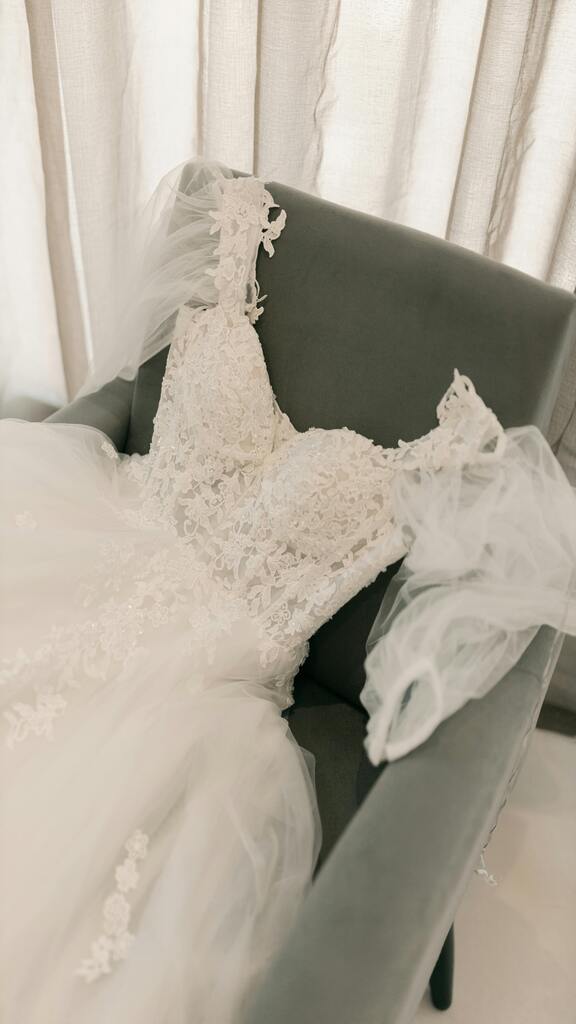
Some brides choose to preserve their wedding dress as a family heirloom, storing it carefully for future generations. This requires proper preservation techniques to prevent yellowing, deterioration, and damage from environmental factors. Professional preservation services offer the best protection for long-term storage.
Professional preservation begins with thorough cleaning by specialists trained in delicate fabric care. They remove all stains, perspiration, and residue that could cause damage over time. The dress is then wrapped in acid-free tissue paper and stored in an acid-free box in a climate-controlled environment. Some services use specialized garment bags made from breathable materials that prevent moisture buildup while protecting from dust and light exposure.
Proper storage conditions are critical. The dress should be kept in a cool, dry location away from direct sunlight, heat sources, and humidity fluctuations. Basements and attics are poor choices due to temperature and moisture variations. A climate-controlled closet or storage unit works better. The dress should never be stored in plastic, which traps moisture and promotes mold growth. Check on it periodically, but avoid handling it unnecessarily.
Professional preservation costs between 200 and 500 dollars depending on the dress’s complexity and your location. This investment protects your dress for decades, allowing it to be passed down in excellent condition. Your daughter or granddaughter may wear it, alter it, or simply treasure it as a connection to your wedding day.
Long-Term Preservation Best Practices
Temperature stability is paramount—aim for a consistent 60 to 70 degrees Fahrenheit with humidity levels between 30 and 40 percent. Fluctuations in either temperature or humidity can cause fabric expansion and contraction, leading to stress on seams and deterioration.
Light exposure causes fabric fading and weakening over time. Store your dress in a dark location, or use UV-protective storage boxes designed specifically for bridal wear. If you display your dress in a shadow box or glass case, ensure the glass provides UV protection and the display location receives no direct sunlight.
Periodically inspect your preserved dress without removing it from storage. Look for signs of moisture, pest damage, or fabric deterioration. If you notice any issues, contact a professional conservator immediately. Some families create a preservation log documenting the dress’s storage location, condition checks, and any maintenance performed. This documentation becomes part of the heirloom’s history and helps future generations understand how to care for the dress.
2. Selling Through Secondhand Marketplaces
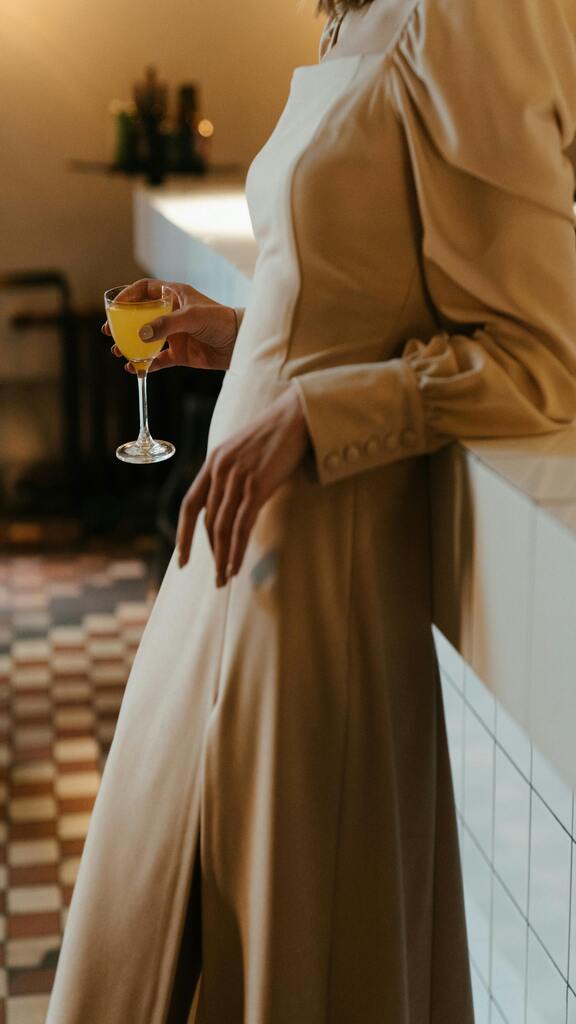
Secondhand bridal marketplaces have exploded in popularity. Websites like PreOwnedWeddingDresses.com, Stillwhite, Nearly Newlywed, and Tradesy connect sellers with budget-conscious brides searching for designer gowns at reduced prices. These platforms handle logistics, payment processing, and buyer protection.
Pricing your dress requires research. Check comparable listings for your designer, style, and size. Factor in condition, alterations, and how recently it was worn. Most secondhand dresses sell for 40 to 60 percent of their original retail price, though designer gowns sometimes fetch higher percentages.
Photography matters significantly when selling online. Take clear, well-lit photos from multiple angles showing the front, back, sides, and details like beading or lace. Include close-ups of any imperfections so buyers know exactly what they’re purchasing. Write an honest description covering the designer, size, alterations made, and condition. Mention if the dress comes with the original box or preservation kit.
Selling your dress generates income you can use for honeymoon expenses, home furnishings, or savings. The transaction is straightforward, and you maintain control over pricing and communication throughout the process.
Maximizing Your Resale Value
List your dress during peak wedding season—typically January through April when engagement announcements spike and brides begin serious dress shopping. During these months, buyer traffic increases significantly, which can drive prices up.
Condition documentation strengthens your listing considerably. If your dress was professionally cleaned, include that information. If alterations were made by a reputable bridal shop, mention the seamstress’s name and specific work completed. Consider including a video walkthrough showing how the fabric moves and how details catch the light. This multimedia approach helps buyers feel confident and can justify a higher asking price.
Be prepared to negotiate. Most buyers expect some back-and-forth on pricing. Set your initial asking price slightly higher than your target to allow room for negotiation. Respond promptly to inquiries and be flexible with payment methods and shipping. Offering free or discounted shipping can make your listing more attractive. The faster you complete the sale, the sooner you can redirect your attention elsewhere.
3. Transforming Into Christening or Baptism Gowns
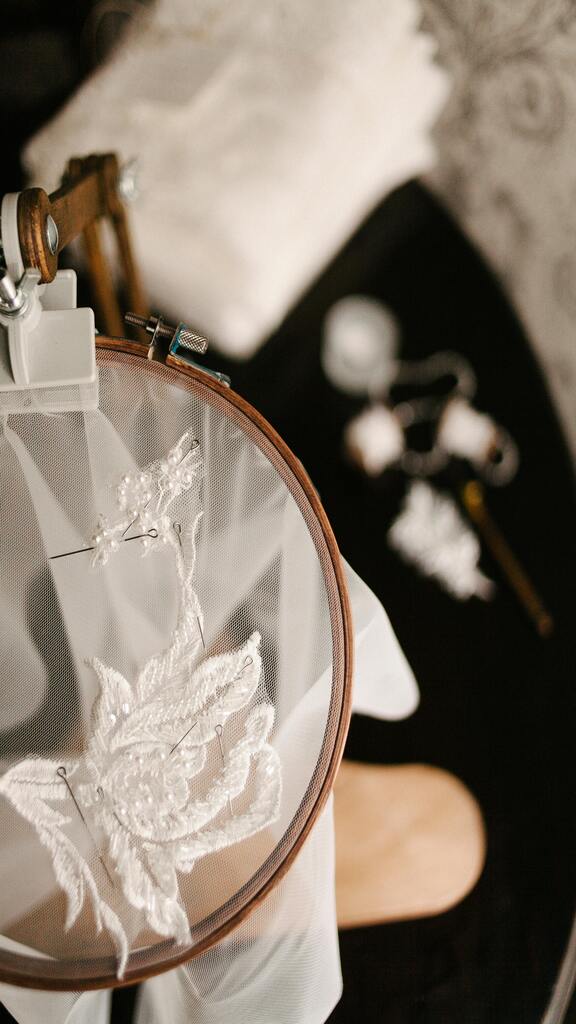
One of the most touching ways to repurpose a wedding dress is transforming it into a christening or baptism gown for your child. Skilled seamstresses can create a small, elegant gown from your dress’s fabric, preserving the lace, beading, or embroidery that made it special. This creates a tangible family heirloom connecting generations.
The transformation begins with a consultation with an experienced seamstress specializing in bridal alterations. They’ll assess your dress’s construction, fabric quality, and design elements to determine what’s possible. A full-length wedding dress provides ample material for a small gown, often with fabric left over for accessories like a bonnet or blanket.
Seamstresses typically preserve the most beautiful elements of your dress. If your gown featured intricate lace on the bodice, that lace becomes the focal point of the christening dress. Beading or embroidery gets incorporated into the new design. The result is a one-of-a-kind garment that tells your family’s story.
This option requires investment in skilled labor, typically ranging from several hundred to over a thousand dollars depending on complexity. However, many families consider this cost worthwhile for the emotional value and uniqueness of the resulting heirloom. The christening gown can then be passed down to future children or grandchildren, extending your dress’s legacy.
Designing Your Christening Gown
Before your first consultation, gather inspiration images of christening gowns you admire. Consider the style you want—traditional and formal, modern and minimalist, or something in between. Think about practical details like sleeve length, skirt fullness, and how much of your original dress’s embellishment you want to preserve.
Discuss with your seamstress how to best utilize your dress’s most beautiful elements. A skilled seamstress will help you make decisions that honor your wedding dress while creating something entirely new and appropriate for a christening ceremony.
Consider also creating matching accessories from leftover fabric. A small bonnet, christening blanket, or keepsake pillow can be made from the same materials as the gown. These pieces become treasured family items that can be displayed or used for future children’s christenings. Some families commission a small memory box to store these items, creating a complete heirloom set.
4. Upcycling Into Everyday Wearable Pieces
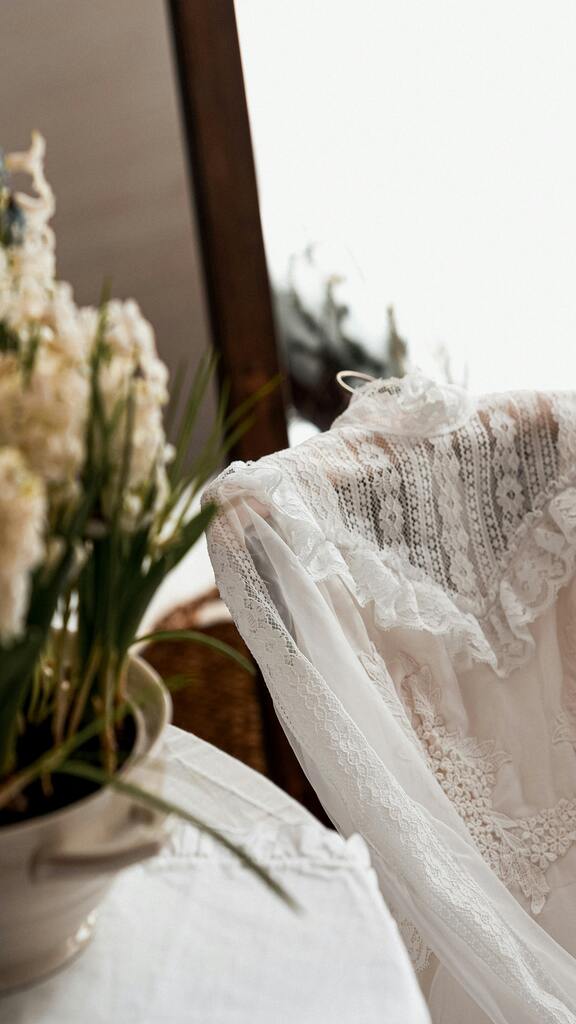
Creative upcycling transforms your wedding dress into clothing you’ll actually wear. A skilled seamstress can convert a full gown into a casual white dress, a skirt paired with a simple top, or a beach cover-up. This approach lets you enjoy the fabric and craftsmanship regularly rather than storing it away.
The possibilities depend on your dress’s style and your lifestyle. A simple A-line gown becomes a lovely sundress or casual maxi skirt. A heavily beaded bodice might be preserved as the focal point of a shorter cocktail dress. Lace overlays can be removed and incorporated into a shrug, bolero, or sleeveless top. Some brides commission a seamstress to create a matching set: a shorter dress for everyday wear and a separate skirt for special occasions.
This option works best if you genuinely love your dress’s aesthetic and want to incorporate it into your regular wardrobe. Consider your lifestyle and climate. A heavy satin gown won’t work well in warm weather, but the fabric could become a winter coat or formal skirt. Delicate lace translates beautifully into layering pieces or evening wear.
Upcycling costs less than creating a christening gown but still requires professional seamstress work. The result is a unique piece that carries sentimental value while serving a practical purpose. You’ll think of your wedding day every time you wear it.
Popular Upcycling Transformations
The “rehearsal dinner dress” conversion is one of the most practical options. Your seamstress removes the train, shortens the hemline to knee or midi length, and simplifies the bodice if necessary. The result is an elegant dress suitable for date nights, cocktail parties, or formal events.
Another popular option is the “beach wedding dress” conversion. Your seamstress can transform your formal gown into a flowing, lightweight beach dress by removing heavy beading, shortening the length, and adjusting the silhouette for comfort in warm weather. You get to wear your dress again in a completely different context, creating new memories.
Some creative brides commission their seamstress to create a “two-piece” transformation, separating the bodice from the skirt to create two distinct garments. The bodice might become a formal top suitable for pairing with different skirts, while the skirt becomes a standalone piece. This approach maximizes versatility and gives you multiple outfit options from a single garment.
5.Donation to Nonprofit Organizations
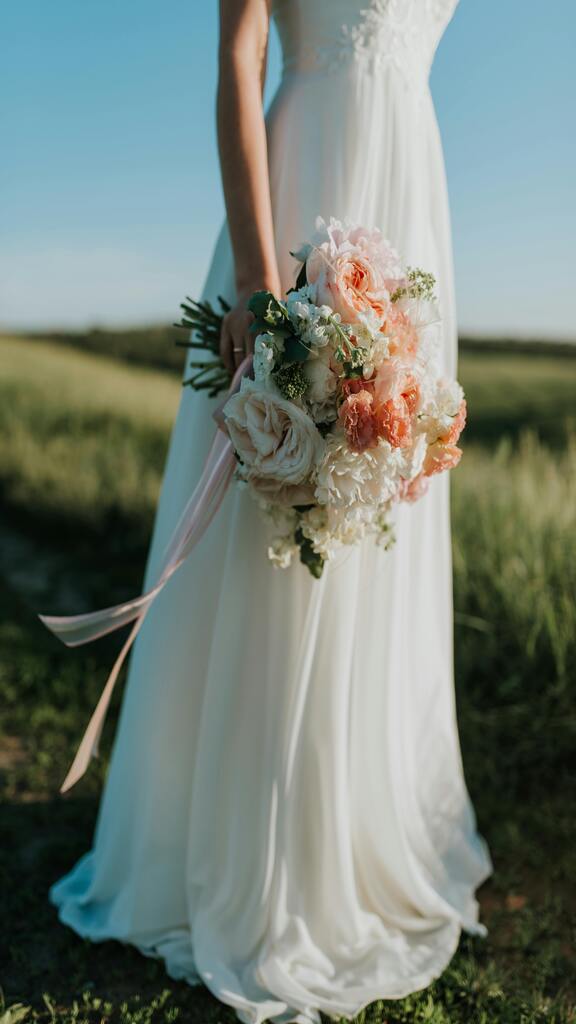
Nonprofit organizations dedicated to bridal wear have transformed how wedding dresses are shared. Groups like Donate My Dress, Brides Across America, and local bridal charities accept gowns in good condition and match them with brides who cannot afford new dresses. These organizations typically require dresses to be clean and free from major stains or tears.
The process is straightforward: contact the organization, learn their requirements, and arrange pickup or drop-off. Many nonprofits serve low-income brides, foster youth, or women rebuilding their lives. Your dress becomes an act of generosity that extends far beyond your wedding day. Some organizations accept altered dresses or those with minor imperfections, so don’t assume your gown must be flawless.
Donating through a nonprofit also provides tax deduction documentation. You’ll receive a receipt stating the dress’s estimated value, which you can claim on your tax return. Many brides find this option deeply satisfying because they know exactly where their dress is going and the real person it will help.
Understanding the Impact of Bridal Donations
The ripple effects of donating your wedding dress extend far beyond a single bride. When you donate through an established nonprofit, you’re participating in a movement toward sustainable fashion and economic accessibility. Many organizations report that receiving a donated dress eliminates financial stress for brides already managing tight budgets. For some recipients, a donated dress means they can allocate funds toward photography, catering, or flowers. For others, it simply means they can have the wedding they’ve dreamed of without accumulating debt.
Nonprofits also provide valuable services beyond dress distribution. Many offer styling consultations, alteration assistance, and emotional support to recipients. By donating your dress, you’re supporting an entire ecosystem designed to make weddings accessible to everyone, regardless of financial circumstances.


Leave a Reply