Every marriage experiences seasons of difficulty. Some couples weather these storms together and emerge stronger. Others find themselves trapped in patterns that drain their energy and erode their connection. The difference often comes down to recognition and action.
An unhealthy marriage doesn’t announce itself with a single dramatic moment. It creeps in through small disconnections, unspoken frustrations, and moments when you stop trying. You might wake up one day and realize you’re living with a stranger. The person you chose feels distant, even when they’re sitting beside you.
This article explores the real signs that your marriage needs attention. Not every struggling relationship ends in separation. Many couples who face these truths head on find their way back to each other. The key is seeing the warning signs clearly and deciding what comes next. Whether you’re questioning your relationship or trying to understand what’s gone wrong, this guide offers honest reflection without judgment. Your marriage deserves honesty. You deserve clarity.
1. Emotional Isolation

Emotional isolation happens when two people share a home but not their hearts. You stop sharing your day, your worries, your dreams. Conversations become surface level. You talk about bills and schedules but never about what matters.
This isolation feels like loneliness while married. You can’t confide in your spouse about your fears or hopes. When something good happens, they’re not the first person you want to tell. The emotional walls grow higher each day, and crossing them feels impossible.
2. Increased Tension

Tension fills the air before anyone speaks. You feel it when your spouse walks into the room. Small things trigger big reactions. A comment about dinner becomes an argument about respect. The house becomes a minefield where one wrong step causes an explosion.
This constant state of alert exhausts you. Your nervous system stays activated. You find yourself bracing for conflict even during quiet moments. The relationship becomes a place of stress rather than refuge.
3. Unmet Needs

Every person enters marriage with needs. Some are spoken. Many go unspoken because you assume your partner knows. Over time, these unmet needs pile up like unpaid bills. You stop asking because asking has failed before.
Your need for affection, attention, or understanding goes unfulfilled. Your partner may not even realize what you’re missing. The gap between what you need and what you receive grows wider. Resentment takes root in this gap.
4. Resentment Builds
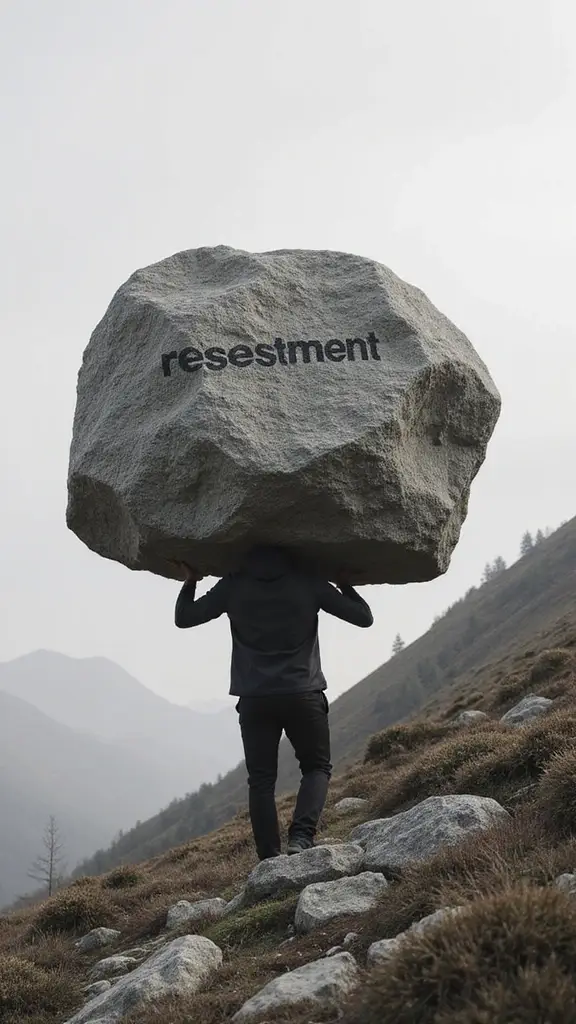
Resentment is anger that has nowhere to go. It accumulates from small hurts, broken promises, and feeling unseen. You start keeping score. You remember every time they let you down. You catalog every sacrifice you made that went unappreciated.
This emotion poisons everything. You can’t look at your spouse without remembering past wrongs. Kindness feels impossible because you’re too busy protecting yourself. Resentment makes forgiveness seem like weakness rather than strength.
5. Diminished Intimacy

Intimacy is more than physical touch. It’s vulnerability, closeness, and being fully present with another person. When a marriage becomes unhealthy, intimacy disappears first. You stop touching. You stop being vulnerable. Sex becomes mechanical or stops entirely.
The bedroom becomes another place of distance. You sleep on opposite sides of the bed. You avoid situations that might lead to closeness. This physical separation mirrors the emotional gap that’s already formed.
6. Communication Breakdown

Real communication requires honesty and safety. In an unhealthy marriage, both disappear. You stop sharing your true thoughts because you fear judgment or rejection. Your spouse does the same. Conversations become defensive or shut down entirely.
You might argue constantly or not at all. Either way, nothing gets resolved. Problems pile up because you can’t talk about them. The silence becomes louder than any words.
7. Feeling Stuck

Feeling stuck means seeing no way forward. You don’t know how to fix things, and you’re not sure you want to try. The relationship feels like a trap. You consider leaving but feel paralyzed by fear, obligation, or uncertainty.
This stuckness is exhausting. You go through the motions of daily life while your spirit withers. You feel trapped between staying and leaving, unable to commit fully to either choice.
8. Compromised Self Identity
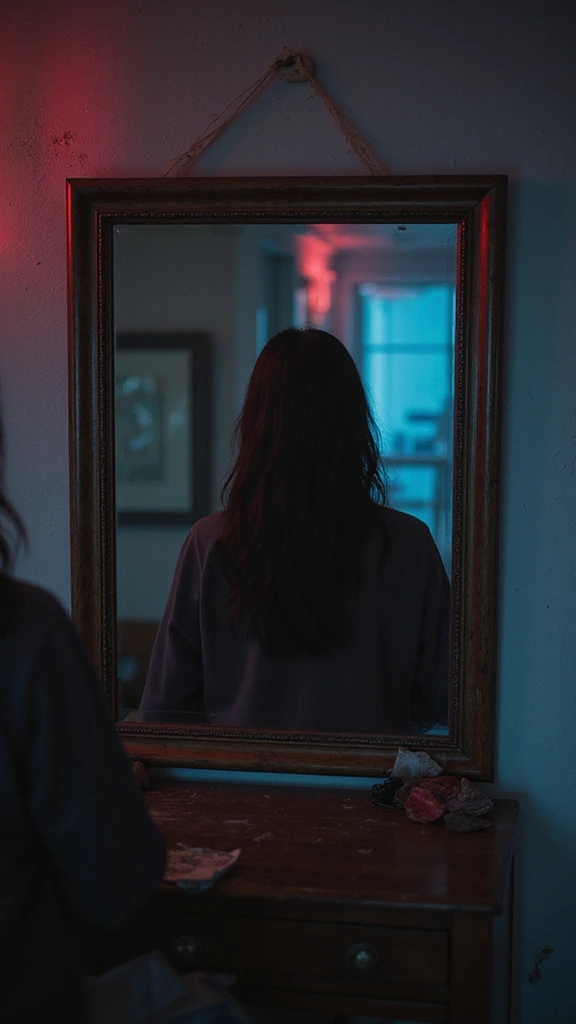
You came into this marriage as a whole person with interests, opinions, and dreams. Somewhere along the way, you lost yourself. You stopped doing things you loved. You abandoned beliefs to keep the peace. You became smaller to fit into the relationship.
Your identity merges with your role as a spouse. You forget who you are outside of this marriage. Your thoughts, feelings, and desires matter less than keeping things calm. This loss of self makes you feel hollow.
9. Friends and Family Notice

People who love you see what’s happening. They notice you’re withdrawn. They see the sadness in your eyes. They comment that you seem different or unhappy. Your friends stop inviting you to things because you always come alone.
When others start noticing, the problem has usually been there for a while. You might feel embarrassed or defensive about their observations. But their concern reflects a truth you already know.
10. Routine Boredom

Your days follow the same pattern. Wake up, go through motions, go to bed. There’s no excitement, no laughter, no spontaneity. You and your spouse exist in parallel rather than together. The relationship feels like an obligation rather than a choice.
This boredom extends beyond activities. It’s a boredom of spirit. You feel numb. Nothing surprises you. Nothing delights you. The relationship has become predictable in the worst way.
11. Comparison with Others

You watch other couples and feel a pang of longing. They laugh together. They seem connected. You wonder what they have that you don’t. You scroll through social media and see happy couples, and it stings.
This comparison is a sign that something is missing in your own relationship. You’re not just noticing differences. You’re grieving what you don’t have. The comparison becomes a painful reminder of what your marriage lacks.
12. Loss of Mutual Goals

You used to dream together. You had plans, visions of your future as a team. Now you’re moving in different directions. Your goals conflict. You want different things from life. You no longer feel like partners working toward something together.
This loss of shared direction creates a fundamental disconnect. You’re not building a life together anymore. You’re just occupying the same space.
13. Financial Stress

Money problems strain any relationship. But in an unhealthy marriage, financial stress becomes another weapon. You argue about spending. You hide purchases. You feel controlled or controlling. Money becomes a symbol of deeper power struggles.
Financial stress also prevents you from seeking help. Therapy costs money. Separation costs money. You feel trapped by your financial situation, unable to make changes even if you wanted to.
14. Guilt and Shame

You feel guilty for not being happy. You feel shame about the state of your marriage. You blame yourself for the problems. You wonder if you’re the one who’s broken or difficult. This guilt keeps you stuck because you believe you deserve this unhappiness.
Shame makes you hide. You don’t tell anyone how bad things are. You pretend everything is fine. The secrecy deepens your isolation and makes the problem worse.
15. The Fear of Change

Change is terrifying. Even if your marriage is unhealthy, it’s familiar. You know what to expect. The unknown feels scarier than the known pain. You fear what will happen if you try to fix things. You fear what will happen if you leave.
This fear paralyzes you. It keeps you in situations that harm you. You stay because staying feels safer than the risk of change, even though staying is slowly destroying you.
16. Seeking Outside Validation

You seek attention and affection outside your marriage. This might be emotional or physical. You find yourself drawn to someone else’s attention because your spouse doesn’t provide it. You crave validation from anyone who will give it.
This seeking is a symptom of deeper problems. It’s a sign that your emotional needs aren’t being met at home. It’s also a warning sign that your marriage is in serious trouble.
17. Difficulty Forgiving

Forgiveness requires trust and safety. When your marriage is unhealthy, both are gone. You can’t forgive because you don’t believe things will change. You hold onto grudges because they protect you. Letting go feels like giving your spouse permission to hurt you again.
The inability to forgive creates a cycle. You can’t move forward. Your spouse feels judged and defensive. Neither of you can heal.
18. Looking for a Way Out

You fantasize about leaving. You imagine what your life would look like alone. You research apartments or think about where you’d go. You spend mental energy planning an escape rather than investing in your relationship.
This fantasy is your mind’s way of coping with unhappiness. It’s also a signal that you’ve given up on fixing things. When you’re actively planning to leave, your marriage has reached a critical point.
19. Hope for Change

Despite all these signs, change is possible. Many couples who face these truths directly find their way back to each other. The first step is acknowledging that something is wrong. The second step is deciding whether you want to fight for your marriage.
This might mean couples therapy. It might mean individual counseling. It might mean honest conversations you’ve been avoiding. It might mean setting boundaries or making difficult changes. But it starts with hope that things can be different.
20. Moving Forward

Recognizing these signs is not the end of your story. It’s the beginning of a new chapter. You now have clarity about what’s broken. You can make informed decisions about your future. Whether you choose to rebuild your marriage or take a different path, you’re choosing consciously rather than drifting.
Talk to your spouse. Consider professional help. Be honest about what you need. Listen to what they need. Some marriages can be healed with effort and commitment. Others need to end so both people can find happiness. Either way, facing the truth is the first step toward a better life.



Leave a Reply