Partnerships thrive when conflict is handled well. Whether in business, marriage, or friendship, disagreements are inevitable. The difference between relationships that break and those that grow stronger lies in how people respond when tension rises.
Strong partnerships don’t avoid conflict. They face it head on with tools and techniques that turn disagreement into understanding. When both people commit to resolution, something shifts. The conflict becomes a bridge instead of a wall.
This guide walks through proven techniques that real people use to strengthen their bonds. Each method builds on a simple truth: conflict is an opportunity to know each other better. By learning these approaches, you can transform how you handle disagreement and build partnerships that last.
The strategies here work across all relationship types. Use them at work, at home, or with friends. Start with what feels natural to you, then expand your toolkit as you grow more comfortable. The goal is not to eliminate conflict. It’s to handle it in ways that deepen trust and respect.
1.Active Listening

Active listening means hearing what someone says without planning your response. It means putting your phone away and making eye contact. It means asking clarifying questions and reflecting back what you heard.
Most people listen while waiting for their turn to talk. Active listening is different. You listen to understand, not to rebut. When the other person feels truly heard, their nervous system calms down. They become more willing to listen to you in return. This creates a cycle of genuine connection instead of competing arguments.
2.Focus on Solutions
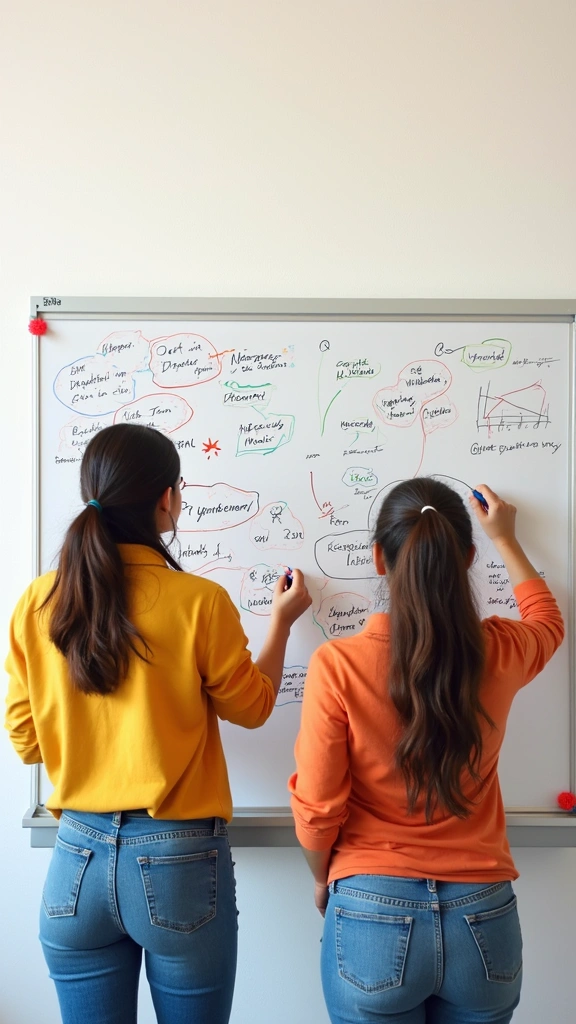
Rehashing the past keeps you stuck. Moving forward requires looking ahead. Ask yourself and the other person: What do we want to happen next? What would make this better?
Solution focused conversations are shorter and more effective. Instead of spending an hour on blame, spend 10 minutes on what needs to change. This approach respects both people’s time and energy. It also sends a message that you believe the relationship is worth fixing. When both people shift to solutions, momentum builds quickly.
3. Take a Timeout

When emotions run hot, nothing productive happens. Taking a timeout is not running away. It’s a strategic pause that lets both people regain composure and think clearly.
Set a specific time to return to the conversation. Don’t disappear for hours or days. A 15 to 30 minute break often works well. Use that time to calm your nervous system. Take a walk, breathe deeply, or do something that settles you. When you return, you’ll both be in a better place to talk and find solutions together.
4.Use I Statements

I statements shift the entire tone of a difficult conversation. Instead of blaming the other person, you describe your own experience. This simple change removes defensiveness and opens the door to real dialogue.
When you say “I feel hurt when this happens” rather than “You always hurt me,” the listener hears concern instead of accusation. They can respond without their guard up. The conversation becomes about understanding, not winning. This technique works because it focuses on your internal experience, which no one can argue with or deny.
5. Empathy Exercise

Empathy means stepping into someone else’s shoes. It doesn’t mean you agree with them. It means you try to understand why they feel the way they do.
Ask yourself: What might they be experiencing right now? What fears or needs are driving their behavior? When you can answer these questions honestly, something shifts inside you. Your anger softens. Your defensiveness eases. You see them as a person with valid reasons for their actions, even if you don’t like those actions. This perspective opens the door to real resolution.
6. Set Ground Rules

Ground rules create safety during difficult conversations. Agree together on what’s off limits. No name calling. No bringing up old grievances. No walking away mid conversation without saying so.
These rules protect both people. They signal that you’re serious about resolving things respectfully. Ground rules also give you something to point to if someone gets out of line. You can say, “Remember we agreed not to do that,” without it feeling like a personal attack. Clear boundaries actually make conversations feel safer and more productive.
7. The Power of Apologizing

A real apology changes everything. Not a defensive excuse. Not a “sorry you feel that way.” A genuine apology that says: I was wrong. I understand how my actions affected you. I’m committed to doing better.
Apologizing takes courage. It means admitting fault without conditions. When you do it well, the other person’s anger often melts. They see that you care more about the relationship than your ego. An apology is not weakness. It’s the strongest move you can make in a partnership.
8. Reflect and Review

After a conflict is resolved, take time to reflect. What triggered the disagreement? How did you each respond? What worked well in how you handled it?
This review process helps you both learn. It prevents the same conflict from repeating. It also shows you’re growing together. When you can look back and see how you’ve improved, it builds confidence in your ability to handle future disagreements. Reflection turns conflict into a learning opportunity instead of just a painful event.
9. Celebrate Small Wins

When you resolve a conflict, acknowledge it. Tell the other person you’re proud of how you both handled it. Notice what went right. Did you stay calm? Did you listen well? Did you find a solution you both could live with?
Celebrating small wins reinforces positive patterns. It makes the hard work of conflict resolution feel rewarding. It also builds momentum for handling future disagreements. When you recognize progress, you’re more likely to repeat the behaviors that created it. This creates an upward spiral in your partnership.
10. Humor and Lightheartedness

Humor can defuse tension when used carefully. A light joke at the right moment can remind you both that you’re on the same team. It breaks the intensity and creates space for connection.
The key is timing and intention. Don’t use humor to avoid the real issue. Don’t make jokes at the other person’s expense. But a gentle laugh together can shift the energy. It reminds you both that you care about each other beyond this one disagreement. Laughter releases tension in the body and opens the heart.
11. Take Responsibility

Blaming the other person keeps conflict alive. Taking responsibility ends it. Look at your own behavior. What did you do that contributed to the problem? What could you have done differently?
You can’t control the other person’s actions. You can only control yours. When you own your part, you reclaim your power. You also model accountability, which often inspires the other person to do the same. Taking responsibility is not about self blame. It’s about honest assessment and commitment to change.
12. Maintain a Positive Attitude

Your attitude shapes the entire conversation. If you approach conflict with the belief that you can work it out, you’re more likely to. If you assume the worst, you’ll find evidence to support that assumption.
A positive attitude doesn’t mean ignoring real problems. It means believing that solutions exist and that both people can find them together. It means approaching the conversation as a team effort rather than a battle. When you maintain hope and goodwill, the other person feels it. They’re more likely to meet you halfway.
13. Clarify Misunderstandings

Many conflicts start with misunderstanding. Someone says something. The other person interprets it one way. But that’s not what was meant. Before escalating, ask for clarification.
Say things like: “What I heard was… Is that what you meant?” or “Help me understand what you meant by that.” Often, a simple clarification dissolves the entire conflict. The person didn’t intend to hurt you. They just expressed themselves poorly. Taking time to understand prevents unnecessary damage and keeps small misunderstandings from becoming big fights.
14. Recognize Patterns

Do you fight about the same thing over and over? That’s a pattern. Recognizing patterns helps you interrupt them before they start. Maybe you always fight about money on Sunday nights. Maybe you clash when one person is tired.
Once you see the pattern, you can plan around it. Have money conversations when you’re both rested. Schedule important talks for times when you’re both calm. Understanding patterns also helps you see the deeper issue. You might fight about dishes, but the real issue is feeling unappreciated. When you address the root cause, the surface conflict often disappears.
15. Embrace Differences

Differences don’t have to divide you. They can strengthen you. Your partner sees things you don’t. They have skills you lack. They bring perspectives that expand your world.
Instead of trying to change them, appreciate what they bring. Instead of seeing differences as problems, see them as opportunities to learn. A partnership where both people are exactly the same is boring and limited. A partnership that embraces differences is rich and resilient. When you stop fighting who the other person is and start appreciating them, conflict naturally decreases.
16. Revisit Your Love Language

People feel loved in different ways. Some need words of affirmation. Others need quality time or acts of service. Some feel loved through physical touch or receiving gifts.
When conflict arises, you might both be trying to show love in ways the other person doesn’t recognize. Learning each other’s love language helps you connect more effectively. It also helps you understand what the other person needs during difficult times. Speaking their love language during conflict shows that you care about them, not just about winning the argument. This deepens trust and accelerates healing.
17. Conclusion

Conflict resolution is a skill you can develop. Each technique in this guide works because it shifts focus from blame to understanding. It moves you from defending yourself to connecting with the other person.
Start with one or two techniques that feel natural to you. Practice them until they become automatic. As you grow more comfortable, add others to your toolkit. Over time, you’ll notice that conflicts resolve faster. They hurt less. They actually bring you closer together. This is what strong partnerships look like. They’re not free from conflict. They’re skilled at moving through it with grace and care.



Leave a Reply