Kindness is not something you do once and forget. It’s a habit you build, day after day, until it becomes part of who you are. When you commit to small acts of generosity, your brain begins to shift. Your perspective widens. You start noticing people around you and responding to their needs without hesitation.
Building better habits through kindness works because it creates a natural feedback loop. You help someone. You feel good. That feeling motivates you to help again. Over time, generosity stops being something you force yourself to do. It becomes automatic. It becomes you.
The science backs this up. Neuroscientists have found that acts of kindness trigger the release of dopamine and oxytocin in your brain. These chemicals make you feel good and strengthen your social bonds. The more you practice kindness, the more your brain rewards you for it. This is how habits form. This is how you change.
The habits you build through kindness extend far beyond the moment of giving. They reshape your relationships, your confidence, and your sense of purpose. You become someone others trust. Someone they turn to. Someone who makes a real difference in their lives. That identity shift is powerful. It’s lasting. And it all starts with one small act.
This article explores fourteen concrete ways to build kindness into your daily routine. Each one is simple enough to start today. Each one has the power to transform not just someone else’s day, but your own character.
1.Offer Childcare Support
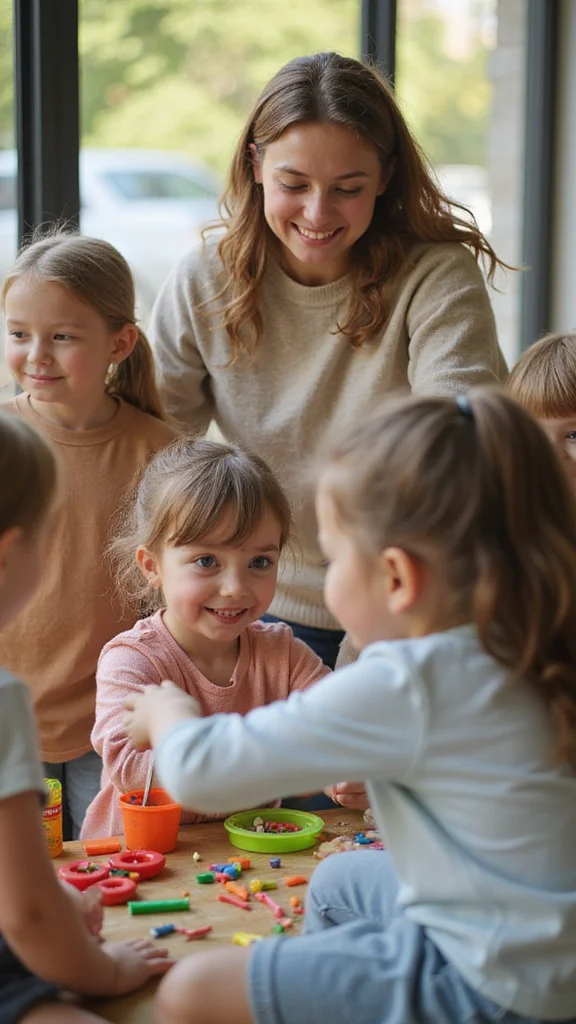
Parents are exhausted. They need breaks. Offering to watch someone’s children for an afternoon or evening is one of the most valuable gifts you can give. It costs you time, not money. But time is what parents lack most.
This habit teaches you patience and presence. You’re not just helping a parent. You’re building a relationship with children. You’re showing up consistently. You’re becoming someone reliable. These qualities ripple outward into every area of your life. When you practice showing up for others, you show up better for yourself too.
2.Share Financial Tips

Money stress keeps people awake at night. If you have financial knowledge, sharing it is a form of kindness that can change someone’s trajectory. This might mean explaining budgeting basics, recommending resources, or helping someone think through a financial decision.
This habit makes you more generous with knowledge. You stop hoarding what you know and start seeing it as a tool to help others. You also become a better listener. You learn to ask questions before giving advice. You discover what people actually need instead of assuming. This listening skill transforms all your relationships.
3. Cook a Meal

Cooking for someone is an act of profound care. It says: I spent my time and energy thinking about what you need. I made something with my own hands. I want you to be nourished.
When you build the habit of cooking for others, you develop several skills at once. You become more intentional about nutrition. You learn what people actually enjoy eating. You practice planning and execution. You also build confidence. Each meal you deliver successfully reinforces the belief that you can help. That you matter. That your actions have real impact.
4.Create a Care Package

A care package is kindness made tangible. You gather items someone needs or loves, wrap them with intention, and deliver a message that says: I see you. I care about you. It doesn’t require expensive gifts. A care package might hold tea, socks, a journal, snacks, or a handwritten note. The contents matter less than the thought behind them.
Building this habit trains your mind to think about others regularly. When you shop, you start asking yourself: Who needs this? Who would appreciate this? This mental shift is the foundation of a kinder life. You become someone who notices gaps and fills them. Over time, this becomes your default mode. Generosity becomes your reflex.
5. Provide Transportation Help
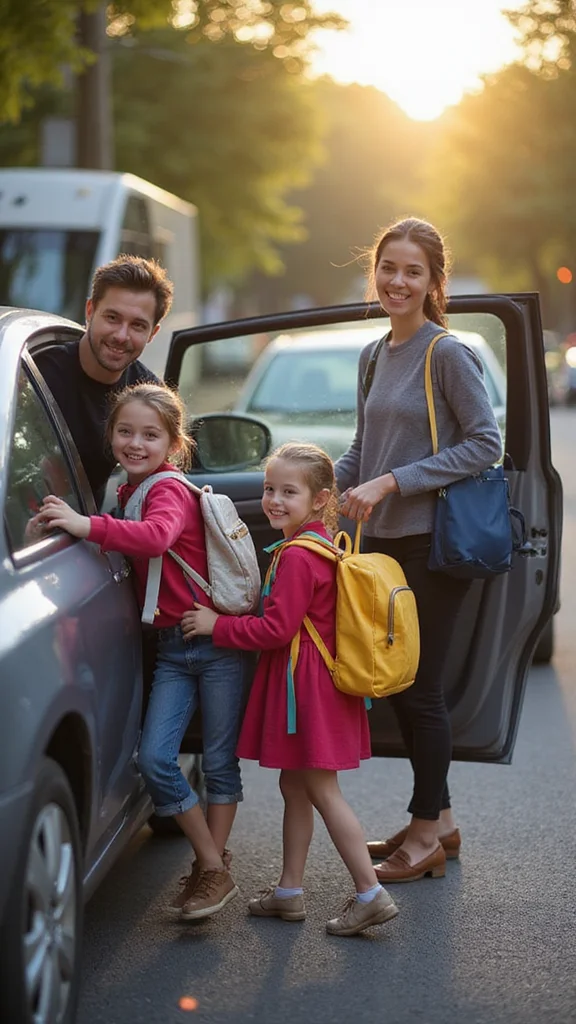
Not everyone has reliable transportation. A ride to a medical appointment, job interview, or grocery store can be life changing. Offering to drive someone is kindness that removes a real barrier from their day.
When you build this habit, you become more aware of people’s practical struggles. You stop thinking of kindness as only emotional support. You see it as solving real problems. You also build flexibility into your schedule. You learn to prioritize others’ needs alongside your own. This balance is essential for sustainable kindness.
6. Share Your Skills
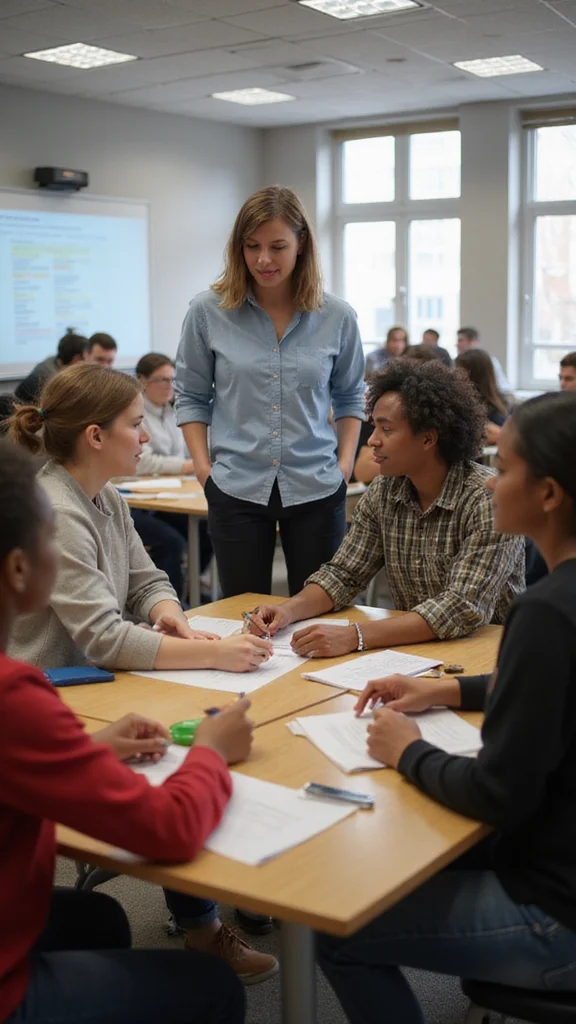
Everyone has something they’re good at. Teaching that skill to someone else is kindness that multiplies. If you can fix things, teach someone basic repairs. If you can write, help someone with their resume. If you can code, mentor someone learning to program.
This habit transforms you into a mentor. You become someone who invests in others’ growth. You also discover that teaching deepens your own understanding. When you explain what you know, you learn it better. You become more confident in your expertise. You also build meaningful relationships based on shared learning.
7. Organize a Fundraiser

Fundraisers require coordination, communication, and commitment. Organizing one means you’re willing to do the hard work of bringing people together around a cause. This is kindness at scale.
Building this habit develops your leadership skills. You learn to delegate. You learn to inspire others to join your mission. You learn to handle logistics and setbacks. You also discover your capacity to create change. A successful fundraiser proves that your effort matters. That you can mobilize resources. That you can make a measurable difference in someone’s life or a community’s wellbeing.
8. Listen Actively

Most people don’t listen. They wait for their turn to talk. Active listening is rare. It’s also one of the most powerful forms of kindness. When you truly listen to someone, you give them something precious: your full attention.
This habit rewires how you interact with others. You stop planning your response while someone is speaking. You ask follow up questions. You remember details they mention. You show up the next time and ask about those details again. People feel seen. They feel valued. They open up more. Your relationships deepen. And you learn more about the world through others’ experiences than you ever could alone.
9. Write Encouraging Notes
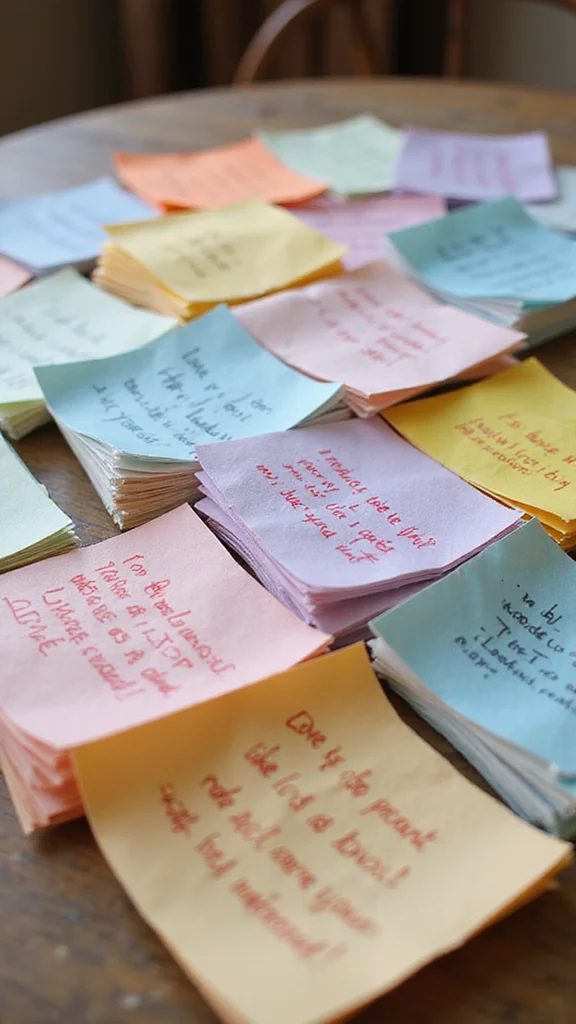
A handwritten note takes five minutes. It can change someone’s entire day. A note that arrives unexpectedly says: I was thinking about you. I believe in you. You matter.
When you build this habit, you become more observant. You notice when someone is struggling. You notice their wins. You notice their potential. You start writing notes regularly. Some people keep them. Some read them on hard days. You never know the full impact, but you know it’s real. This uncertainty teaches you to give without expecting recognition. You give because it’s right. Because it helps. That’s the purest form of kindness.
10. Facilitate Community Connections

Some people are natural connectors. They know lots of people and love introducing them. If you have this skill, use it. Introduce someone looking for a job to someone hiring. Introduce a lonely person to a community group. Introduce two people who share interests. You become a bridge.
This habit makes you more aware of people’s needs and resources. You start thinking about how to match them. You also build a reputation as someone generous with connections. People trust you. They come to you with needs. You become central to your community’s social fabric. This role is deeply satisfying. You’re not just helping individuals. You’re strengthening the entire network.
11. Create a Support Group

People struggling with similar challenges need each other. If you’ve overcome something difficult, you can create space for others to do the same. A support group might focus on grief, parenting, recovery, or any shared experience.
Building this habit teaches you that your struggles have value. Your story helps others. You also learn that you’re not alone. In creating space for others, you find community for yourself. You develop leadership skills. You learn to hold space for difficult emotions. You become someone people trust with their vulnerability. This deepens your own humanity.
12. Help With Yard Work
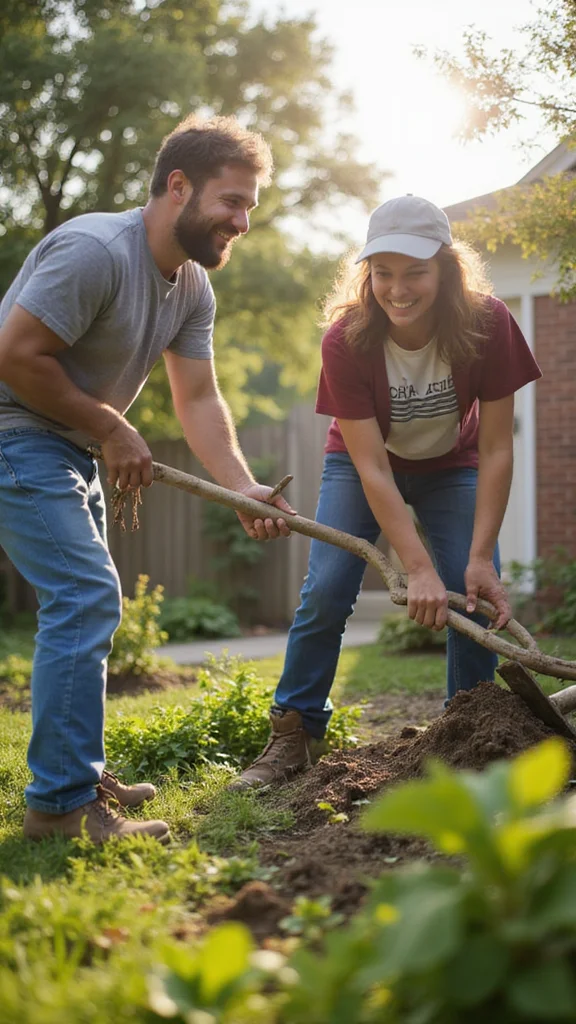
Yard work is physically demanding. For elderly people, people with disabilities, or those overwhelmed by life circumstances, it can feel impossible. Showing up with gloves and tools is kindness that removes a burden.
This habit connects you to the physical world and to people’s real needs. You’re not just talking about helping. You’re doing it. You’re getting your hands dirty. You’re working alongside someone. This builds genuine connection. It also teaches you humility. You’re not above any task. You’re willing to do whatever needs doing. That attitude transforms how people see you and how you see yourself.
13. Celebrate Milestones
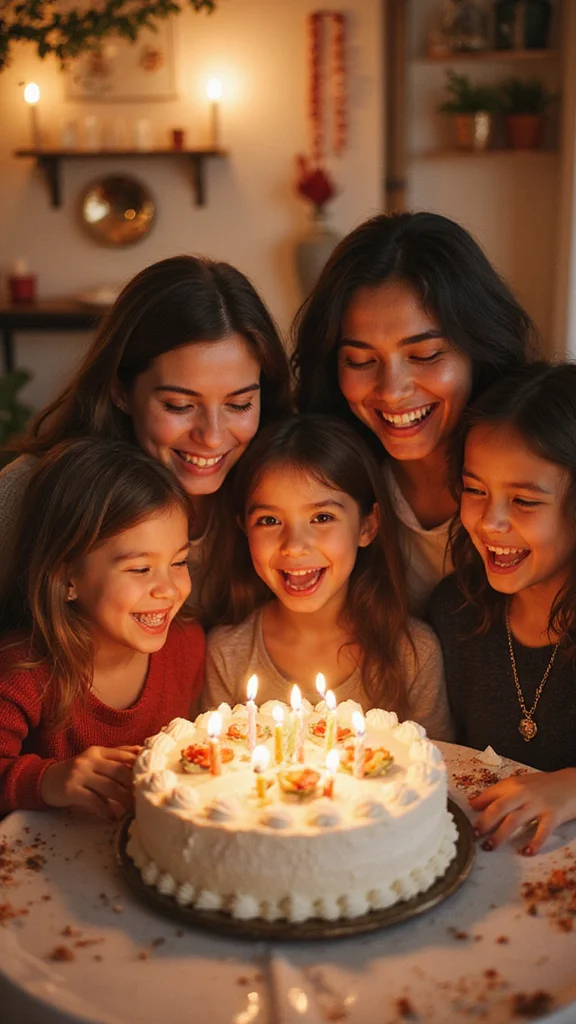
People achieve things every day that go unnoticed. A promotion. A degree. A recovery. A year sober. A difficult conversation completed. Celebrating these moments matters. It says: Your effort is real. Your progress is worth acknowledging. You deserve celebration.
When you build this habit, you become someone who notices progress. You stop taking people’s wins for granted. You show up for celebrations. You remember dates. You send messages. You create moments of joy. People remember who celebrated them. They remember who showed up. You become associated with good things. With recognition. With joy. That’s a powerful identity to build.
14. The Ripple Effect of Kindness

Each act of kindness you perform creates ripples. The person you help feels better. They’re more likely to help someone else. That person helps another. The chain continues. You started it. You’re responsible for more good than you’ll ever know.
Building habits of kindness isn’t about becoming a saint. It’s about becoming the person you want to be. It’s about training your brain to notice others. It’s about developing the skills and character that make you someone worth knowing. It’s about creating a life where generosity is automatic. Where helping feels natural. Where you wake up knowing you matter because you make others’ lives better. That’s not a luxury. That’s a life worth living.



Leave a Reply