Author: illy

  • 15 tips no one tells you about saying “I want a divorce”

    15 tips no one tells you about saying “I want a divorce”

    Saying the words “I want a divorce” may be one of the most difficult decisions and conversations you’ll ever face. Whether your marriage has been drifting for years or you’ve arrived at a clear breaking point, those words mark a turning point—for you, your partner, and possibly your family.

    If you’ve found yourself thinking “I want a divorce”, this article is for you. It’s not about sensationalizing divorce; it’s about equipping you with the less-spoken truths: emotional preparation, timing, communication, personal safety, finances, and what happens next. Because when you do make that declaration, how you do it can deeply influence how you live through what follows. According to experts, the conversation you initiate will “set the tone for the legal process that will follow.”


    1. Make sure you’re truly ready (and not just reacting)

    15 tips no one tells you about saying "I want a divorce"

    Before you ever say the words “I want a divorce”, you need deep self-clarity. According to one mediation resource: “The very first thing you need to do … is be brutally honest with yourself and be absolutely sure you want a divorce.”

    Ask yourself:

    • Have I tried meaningful repair efforts (couples therapy, candid talks) and still feel change is impossible?

    • Am I saying this from a place of anger, momentary frustration, or fear rather than long-term decision?

    • What will I lose—and what will I gain?

    • Am I prepared for the emotional, financial, family-impact fallout?

    Once you say it, you often cannot take it back without cost to trust and credibility.


    2. Choose your time and place with care

    How and where you say “I want a divorce” matters. Experts stress avoiding high stress moments, public shaming, or times when one partner is vulnerable (job loss, illness, family crisis).

    Pick a private, calm setting with minimal interruptions (kids off with friend or family; phones off). A neutral, respectful tone will help the conversation proceed with more dignity.


    3. Prepare the conversation—but don’t script torture

    15 tips no one tells you about saying "I want a divorce"

    Planning your words helps—but over-rehearsing or delivering a cold “script” can feel robotic or disconnected. One resource suggests you “prepare your thoughts ahead … then look through them and memorise the order in which you want to say them.”

    Key elements to include:

    • A short clear statement: “I’ve thought a lot and I believe our marriage isn’t working anymore and I want a divorce.”

    • Acknowledgement of the shared past: “We’ve had good years, and I appreciate them.”

    • Your feelings: “I’ve been unhappy for a while.”

    • Your decision: “I feel we should move separately from here.”
      Avoid long lists of blame or re-opening every grievance in that moment.


    4. Use “I” statements and avoid blame

    When you say “I want a divorce”, how you frame it can change how your spouse hears you. Blames (“You always…” / “You never…”) likely trigger defensiveness. Instead, use personal language: “I feel …”, “I believe …” rather than “You did this.”

    This is not about sugar-coating the truth, but about dignity and reducing immediate conflict.


    5. Acknowledge emotional reactions—and allow space

    15 tips no one tells you about saying "I want a divorce"

    Expect a spectrum of reactions: shock, denial, anger, sadness, bargaining. One guide says: “Your spouse’s reaction may vary — they could be surprised, angry, relieved, or even in agreement.”

    You can’t control their reaction, but you can prepare to breathe, stay calm, listen (without defending or retracting), and give some space. Avoid turning it into a full argument in that first moment.


    6. Avoid the detailed logistics in the initial talk

    The first conversation should focus on what you’ve decided—not on how everything will play out. Experts recommend postponing complex discussions (money, children, property) until you both have processed the emotional reality.

    Declaring: “I want a divorce. We can talk about specifics later” can reduce overwhelm and keep the tone more constructive.


    7. Be firm but compassionate

    15 tips no one tells you about saying "I want a divorce"

    Saying “I want a divorce” doesn’t mean being cold. One article suggests the approach: “Be gentle but firm.”

    You might say: “This has been one of the hardest decisions of my life. I still care for you, but I don’t feel our marriage is working anymore.” This balances clarity with empathy.


    8. Prepare for your own emotions too

    You’ll likely experience guilt, fear, loss of identity, grief—even if you initiated the divorce. A piece from Nolo Press warns: “The most common cause of conflict … is lack of mutuality in the decision.”

    You might feel like the “leaver” or “breaker of vows”—anticipating that guilt can help you prepare emotionally and avoid impulsive apologies or concessions you don’t mean.


    9. Protect your safety and well-being

    15 tips no one tells you about saying "I want a divorce"

    In cases where there’s emotional, physical or verbal abuse, it’s critical you prioritise safety. One resource states: “If you believe you can continue to be in the home together… you could suggest this. If not, create a plan.”

    Before you say the words, make sure you have support—friends, therapist, legal advice—and a “what if” plan if things escalate.


    10. Consider finances and personal logistics ahead of time

    The moment you voice “I want a divorce”, real changes are set in motion. One article urges careful financial preparation: “Breaking up is almost always painful … you can avoid much of the unnecessary cost … if you are careful.”

    Know: your assets, debts, shared and individual finances; what you’ll need to live independently; what you might need to freeze or protect; whether you have your own bank account.


    11. Manage the children and family implications sensitively

    15 tips no one tells you about saying "I want a divorce"

    If you have children, grandparents, extended family, your announcement ripples out. Best practice: After your talk, plan how and when you will share the news with children, or whether you’ll present a united front. Legal sources say: “Consider your children. … You can then plan together how you will explain the situation.”

    Keep the first conversation between you and your spouse; don’t drag in children as immediate messengers.


    12. Stay consistent after you’ve spoken

    Once you’ve said “I want a divorce”, mixed messages (“I said it, but maybe I don’t mean it”) can undermine credibility and make things messy. One source warns: “Once you present it … as a done deal … you have thrown away a valuable chance to get the best result.”

    If you’re still uncertain, it may be better to seek separation or counselling rather than outright divorce talk.


    13. Frame the future, not just the end

    15 tips no one tells you about saying "I want a divorce"

    When you initiate divorce, you’re not just ending something—you’re starting a new chapter. A constructive conversation will hint at what you hope for both of you (peace, co-operation, fairness). Experts advise: “Telling your spouse you want a divorce is a moment that will forever mark a before and after in both your lives.”

    While you don’t need to map every next step, you might say: “I want us both to move toward lives where we can be happier and more ourselves.”


    14. Seek professional support—for both you and your spouse

    The decision—and the conversation—are heavy. Therapy, individual or couples, can help you manage guilt, fear, anger, and next steps. Many mediation services recommend including that help early.

    Even if your spouse refuses counselling, you can benefit from a therapist, divorce coach, lawyer, and supportive network.


    15. Be ready for the ripple effects—and don’t expect overnight ease

    15 tips no one tells you about saying "I want a divorce"

    Saying “I want a divorce” changes things—emotionally, socially, financially, possibly geographically. The first conversation is only the beginning. According to experts, “Deciding to tell your spouse you want a divorce is perhaps one of the most emotionally challenging moments … The moment you decide … is a life-changing discussion.”

    Be patient with yourself and your spouse. Healing, adjustment and negotiation are processes—not single events.


    Conclusion

    Saying “I want a divorce” is one of life’s most serious, vulnerable moments. It signals that the story you’ve been writing together is changing. But while it marks an end, it also marks a beginning—of a new chapter, whether for one or both of you.

    The 15 tips above provide the less-spoken roadmap: internal readiness, timing and place, compassionate language, emotional safety, financial and legal forethought, and managing the aftermath. They don’t promise ease—but they promise more dignity, clarity, and fewer regrets.

    You owe it to yourself to approach this conversation with integrity—both for your wellbeing and the wellbeing of your family. And if ever you’re unsure, slow down, reflect, get help, and take care of yourself. Because after the words are spoken, the real work begins—and how you begin matters.

    FAQs (Frequently Asked Questions)

    Q1: Is there ever a “right” time to say I want a divorce?
    A1: There is no perfect time—life is messy. But you can pick a more appropriate time: when both are calm, children are cared for, not on a major anniversary, and you’ve done personal reflection. Experts caution against bringing this up during an argument.

    Q2: What if I say it and then regret it?
    A2: Because those words carry weight, starting a separation route may be more prudent than immediate divorce if you’re unsure. Once spoken, retracting can erode trust. One guide emphasises you should be “absolutely sure” before saying it.

    Q3: How should I deal with my spouse’s upset reaction?
    A3: Stay calm, listen, don’t argue your way out of every question immediately. Allow space. Use statements like: “I know this is painful. I’m sorry. I want us both to find a healthier path.” Avoid blame, stay clear about your decision, but compassionate.

    Q4: Should I bring up assets/children right in the talk?
    A4: It’s usually better to keep the first talk emotional, not logistical. One article suggests postponing detailed discussions to avoid overwhelming the spouse.

    Q5: Can the conversation itself affect the legal or financial outcome of the divorce?
    A5: Yes. How you conduct the talk can set the tone for the process. A respectful, prepared approach is more likely to lead to cooperation and less conflict. Legal advisers say whether you escalate hostility or stay calm can influence costs and outcomes.


  •  20 Funny Questions to Ask Your Husband for a Good Laugh 

     20 Funny Questions to Ask Your Husband for a Good Laugh 

    Humor is one of the most underrated secrets of a long, happy marriage. While communication and trust form the foundation, laughter adds the sparkle that keeps it alive. Think about it — the times you and your husband laughed until you cried are probably some of your most cherished memories. Laughter builds bonds, reduces stress, and reminds you that even through challenges, you can still find joy together.

    According to relationship psychologists, couples who laugh together tend to report greater satisfaction and resilience in their relationships. Research published in Personal Relationships Journal found that shared laughter strengthens a sense of togetherness and helps couples navigate disagreements more easily. The study concluded that humor serves as “emotional glue,” increasing feelings of closeness.


    20 Funny Questions to Ask Your Husband for a Good Laugh

    Here’s the ultimate list — each question includes a little insight or playful suggestion to make the conversation more engaging.

    1. If you could be any cartoon character for a week, who would you be and why?

     20 Funny Questions to Ask Your Husband for a Good Laugh 

    This is a great icebreaker. Whether he picks Bugs Bunny for the wit, or SpongeBob for the optimism, his answer tells you something about how he views fun and identity.

    2. What’s the weirdest food combination you secretly love?

    You might be shocked to discover your husband dips French fries in ice cream or eats peanut butter with pickles. Everyone has a guilty pleasure food combo — and it’s a guaranteed laugh!

    3. If our marriage were a movie, what would the comedic title be?

     20 Funny Questions to Ask Your Husband for a Good Laugh 

    “Love and Laundry”? “Honey, Where Are My Socks?” or “Fast and Curious”? This is your chance to laugh at your shared quirks.

    4. What was your worst hairstyle ever — and can I see the photo evidence?

    Old yearbooks, teenage mullets, gel spikes — bring it on! Shared nostalgia is one of the best ways to connect through humor.

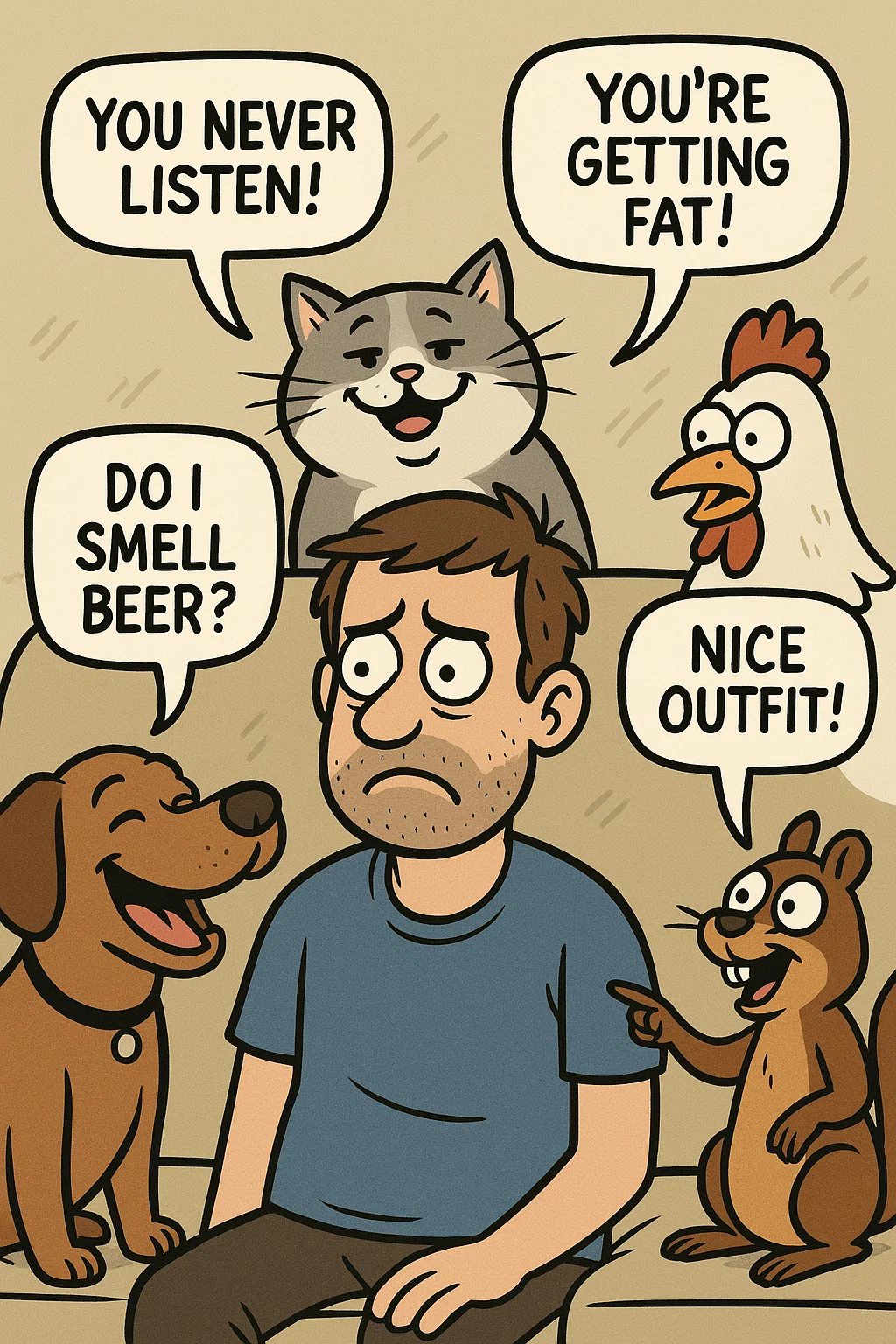
    5. If animals could talk, which one would roast you the hardest — and what would it say?

     20 Funny Questions to Ask Your Husband for a Good Laugh 

    A sarcastic cat saying, “Oh great, another nap?” or a dog commenting on his snack habits? Let the creativity flow.

    6. If you had to wear one Halloween costume every day for a year, what would it be?

    Would he go practical or ridiculous? Imagining him commuting to work as Batman or a giant taco will get you both laughing.

    7. What’s your most useless talent that you’re oddly proud of?

     20 Funny Questions to Ask Your Husband for a Good Laugh 

    Can he juggle apples? Whistle songs perfectly? Do a celebrity impression? Useless talents are comedy gold.

    8. If you could have a personal theme song that played whenever you entered a room, what would it be?

    Music is deeply revealing. Whether he picks Eye of the Tiger or Stayin’ Alive, it’ll say something about his inner confidence (and sense of humor).

    9. What’s a silly fear you’ve never told anyone?

     20 Funny Questions to Ask Your Husband for a Good Laugh 

    This question balances humor and vulnerability. Maybe he’s scared of pigeons, mannequins, or automatic toilets — either way, laughter and empathy go hand in hand.

    10. If you had to become a kitchen appliance for a day, what would you be and why?

    A blender (because he’s chaotic)? A coffee maker (because he keeps everyone running)? Absurd questions encourage imaginative thinking.

    11. What fashion trend from your youth do you regret the most?

     20 Funny Questions to Ask Your Husband for a Good Laugh 

    From baggy jeans to neon sunglasses, reminiscing about cringe-worthy fashion always makes for great storytelling.

    12. If you were a vegetable, which one would you be — and please explain your reasoning.

    There’s no logical reason for this one, which is why it’s hilarious. “A potato — because I like to stay on the couch” might be his best answer ever.

    13. What’s the funniest nickname you’ve ever had (or secretly wanted)?

     20 Funny Questions to Ask Your Husband for a Good Laugh 

    Whether it’s “Spud,” “Big Cheese,” or “Captain Nap,” funny nicknames are nostalgic and revealing. Bonus: invent one for him on the spot.

    14. If you had to live inside any TV show for a week, which one would it be — and how long would you survive?

    Will he pick The Office or Game of Thrones? His answer says a lot about his inner daredevil or comfort-seeker.

    15. What’s the weirdest gift you’ve ever received?

    Maybe it was a singing fish plaque or a T-shirt two sizes too small. Laughing over awkward presents is a couple’s rite of passage.

    16. If we were stranded on a desert island, what job would each of us take?

    Would he declare himself “chief coconut opener” while you become “firestarter-in-chief”? Funny teamwork scenarios build camaraderie.

    17. If you had to talk only in song lyrics for a whole day, which artist would you quote?

    Imagine him responding to everything in Elvis or Taylor Swift lyrics — the laughter would be unstoppable.

    18. What’s the funniest thing you’ve ever witnessed in public?

    Funny stories are windows into personality. Maybe it was someone dancing in traffic or an awkward proposal at a mall — reliving it together doubles the fun.

    19. If you had to impersonate one celebrity for 24 hours, who would it be and why?

    Encourage him to demonstrate! Bonus points if you record it for future giggles.

    20. If you were the villain in a comic book, what would your evil name and power be?

    Maybe he’s “The Remote Commander” with the power to control all remotes — except never find them. End on an absurd, laughter-filled note.


    The Psychology Behind Humor in Marriage

    When you laugh with your husband, you’re doing more than sharing a joke — you’re strengthening your emotional connection on a neurochemical level. Humor releases endorphins and oxytocin — the same bonding hormones released during affection or intimacy. According to a 2017 study published in Evolutionary Psychology, couples who share laughter regularly report higher levels of relationship satisfaction and trust.

    In essence, humor acts like social glue. It softens difficult conversations, relieves tension, and keeps communication playful instead of combative. When couples make each other laugh, they subconsciously communicate “We’re in this together.”

    That’s why finding funny questions to ask your husband isn’t just about silliness — it’s about deepening understanding through joy. You get to rediscover your spouse’s imagination, quirks, and sense of wonder — things that often get buried under daily responsibilities.

    As Marriage.com explains, “Humor reintroduces playfulness and creates positive associations that help couples deal better with life’s ups and downs.”

    So, while it may sound simple, asking these funny, creative questions can actually strengthen your marriage’s emotional backbone. You’re creating new memories and reestablishing that crucial foundation of friendship — which, according to renowned marriage researcher Dr. John Gottman, is the number one predictor of long-term relationship happiness.


    Expert Insight: Why Laughter Keeps Love Alive

    Therapists often recommend laughter as a “micro-connection ritual.” Just like sharing gratitude or compliments, humor reminds couples that love doesn’t always have to be heavy or serious.

    • It builds resilience. When you and your husband can laugh at life’s little absurdities, you’re less likely to get bogged down by stress.

    • It restores perspective. Sometimes humor helps you see challenges as temporary, not catastrophic.

    • It reignites curiosity. Playful questions show that you’re still interested in learning new sides of your partner.

    A quote from relationship coach Esther Perel encapsulates it perfectly:

    “Playfulness keeps love alive because it breaks patterns of predictability. It reminds us that passion is about curiosity and spontaneity.”

    So the next time you’re scrolling through your phone after a long day, try asking him:

    “If we switched jobs for a week, who would survive longer?”
    Chances are, the laughter will spark something far more intimate than another evening of silence.


    How to Turn It into a Fun Couple Ritual

    If you want to make laughter a consistent part of your marriage, try turning these questions into a weekly ritual. Here’s how:

    1. Pick a “Laughter Night”

    Choose one evening a week (Friday night or Sunday morning coffee) for playful conversation. It sets a tone of togetherness.

    2. Use a Jar of Questions

    Write each of the 20 funny questions on slips of paper and drop them in a jar. Pull one out randomly whenever you need a mood boost.

    3. Mix Humor with Affection

    After each question, add a small loving gesture — a kiss, a hug, or “I love that about you.” Humor paired with affection deepens connection.

    4. Add a Twist

    Play the “reverse game” where he gets to come up with funny questions for you. This turns it into a shared game, not an interview.

    5. Capture the Fun

    Record some of the sessions (audio or journal-style). Revisiting them later becomes a reminder of your joy together.


    The Benefits of Playful Communication

    The best marriages aren’t those without conflict — they’re the ones that balance seriousness with laughter. Here are key benefits of keeping humor alive:

    1. Improves Communication:
      Laughter breaks down defensiveness and encourages openness. When humor enters the picture, couples can talk about sensitive topics more easily.

    2. Reduces Stress:
      Laughter lowers cortisol (the stress hormone) and triggers dopamine — the “feel-good” neurotransmitter. That’s why couples who joke more together often feel calmer around each other.

    3. Builds Emotional Safety:
      Shared laughter sends the message: “You’re safe with me.” It becomes a cushion against everyday friction.

    4. Reinforces Positive Memories:
      Each time you laugh together, you add to your emotional “bank account.” These happy memories act as buffers when life gets tough.

    5. Keeps Attraction Alive:
      According to research from The Journal of Personal Relationships, humor is linked to long-term attraction. It keeps energy playful and prevents emotional stagnation.

    So yes, a few funny questions over dinner can be more powerful than they seem.


    Conclusion

    If you’re looking for a quick way to inject energy, warmth and laughter into your marriage, the 20 questions above are a great tool. They’re not deep therapy—but they are relational gold because they remind you both of the playful, spontaneous side of your partnership.

    When you ask funny questions to ask your husband, you’re signalling: I like you. I’m curious about you. I want us to laugh. That matters. Because beyond love and kindness, shared laughter is one of the glue-factors in long-lasting relationships.

    So pick your favourite question, lean in, and laugh together. You’ll likely discover something unexpected, maybe even hilarious—and you’ll make a memory in the process. After all, a marriage that laughs together stays together.

    ❓ Frequently Asked Questions (FAQs)

    Q1: Why should I bother asking funny questions to my husband?

    A1: Because humor is one of the simplest ways to rebuild connection. According to The Gottman Institute, couples who maintain inside jokes and laugh together report higher levels of marital satisfaction and conflict recovery. When you ask your husband funny questions, you’re inviting joy and curiosity back into your routine — it’s emotional oxygen for your marriage.


    Q2: What if my husband isn’t naturally funny or doesn’t “get” jokes?

    A2: That’s perfectly okay! Humor doesn’t have to mean stand-up comedy. It’s about lighthearted curiosity. If your husband is more reserved, start with mild or observational humor — things he relates to, like “What’s the weirdest text autocorrect you’ve ever sent?” Once he sees your laughter as appreciation, not mockery, he’ll loosen up.


    Q3: Are funny questions helpful even if our marriage feels distant right now?

    A3: Yes — especially then. Laughter can act as a soft reset. When a relationship feels strained, playful conversation can reintroduce warmth without diving into heavy emotional topics. As Psychology Today notes, shared laughter builds “emotional synchrony” that re-establishes safety and trust. Just remember: start small and keep it genuine.


    Q4: How can I make this activity more engaging for both of us?

    A4: Turn it into a mini-game:

    • Write questions on small slips of paper and place them in a “laughter jar.”

    • Take turns drawing one during dinner or date nights.

    • Add a playful twist like “whoever makes the other laugh first wins dessert.”

    Gamifying humor keeps it spontaneous — and repetition strengthens connection.


    Q5: What if a funny question accidentally turns serious?

    A5: That’s okay too. Humor sometimes opens the door to deeper dialogue. For example, a question about “funniest childhood moment” might lead to a meaningful conversation about family memories. Let laughter flow into empathy; both emotions nourish connection.

  • 15 Habits That Strengthen Long-Term Relationships

    15 Habits That Strengthen Long-Term Relationships

    Maintaining a loving, resilient relationship isn’t about luck — it’s about consistent mindful habits that deepen your bond over time. Whether you’ve been together for months or decades, the small things you do daily determine the quality and longevity of your connection.

    This article explores 15 habits that foster emotional intimacy, mutual respect, and long-term satisfaction, drawn from relationship psychology, research, and expert long term relationship advice.


    1. Communicate with Curiosity, Not Judgment

    15 Habits That Strengthen Long-Term Relationships

    Healthy communication isn’t just about talking; it’s about listening with the intent to understand, not to respond. Many couples fall into the trap of assuming they already know what their partner will say, but this mindset blocks genuine connection.

    Instead, approach every discussion with curiosity. Ask questions like:

    • “Can you tell me more about why you feel that way?”

    • “What does that mean to you?”

    According to a study published in the Journal of Marriage and Family, couples who actively listen and validate each other’s feelings report significantly higher satisfaction rates.

    💡 Pro Tip: Schedule “open dialogue nights” where both partners share their week — not just logistics, but emotions, too.


    2. Prioritize Quality Time Over Quantity

    Spending endless hours together isn’t the same as being emotionally connected. In fact, quality trumps quantity when it comes to strengthening your relationship. Even a few minutes of undistracted time — phones away, eyes meeting — can make a big difference.

    Research from The Gottman Institute found that couples who spend just 10 minutes per day talking about something meaningful outside of chores or parenting responsibilities develop stronger emotional intimacy.

    Practical ways to enhance quality time:

    • Share a morning coffee ritual.

    • Go for a short evening walk.

    • Create a “no phone zone” during meals.


    3. Practice Appreciation Daily

    15 Habits That Strengthen Long-Term Relationships

    Gratitude is one of the most powerful long term relationship tools. Studies in Personal Relationships Journal show that expressing appreciation increases oxytocin levels — the bonding hormone — and decreases stress.

    Start small:

    • Say “thank you” even for everyday things.

    • Compliment your partner’s effort, not just results.

    • Leave surprise appreciation notes or texts.

    When appreciation becomes a habit, negativity bias (our tendency to notice the bad more than the good) loses power. Over time, couples who focus on gratitude experience fewer arguments and faster emotional recovery after conflicts.

    ✨ “The more you appreciate, the more you have to appreciate.” — Oprah Winfrey


    4. Maintain Physical Affection Beyond the Bedroom

    Physical touch is a silent language of love. Beyond sexual intimacy, small gestures like holding hands, hugs, or cuddling release oxytocin and reinforce emotional closeness.

    Neuroscientists at UCLA have found that regular non-sexual touch reduces cortisol (the stress hormone) and strengthens attachment bonds — especially after disagreements.

    Make affection part of your daily routine:

    • Hug when you reunite after work.

    • Touch each other’s arm while talking.

    • Cuddle before sleep, even for five minutes.


    5. Resolve Conflicts Constructively, Not Competitively

    15 Habits That Strengthen Long-Term Relationships

    Every couple argues — it’s how you argue that defines your long-term health. The goal isn’t to “win” but to understand and repair. Conflict resolution rooted in respect fosters trust and prevents resentment from festering.

    Experts like Dr. John Gottman emphasize that conflict is inevitable, but contempt is toxic. Name-calling, stonewalling, and defensiveness create emotional distance. Instead, use “I” statements (“I feel hurt when…”), stay calm, and revisit difficult topics when emotions settle.

    💬 Quick tip: If discussions escalate, pause and use a neutral “time-out” phrase like, “I want to come back to this when I can listen better.”


    6. Share Goals and Dreams

    Long-term relationships thrive when couples grow together, not apart. Shared dreams — whether financial, personal, or creative — provide a roadmap for mutual fulfillment.

    Spend time talking about your visions for the future:

    • Where do you see yourselves living in 5 years?

    • What lifestyle do you both value most?

    • How do you want to support each other’s ambitions?

    According to the Journal of Social and Personal Relationships, couples with aligned life goals report higher satisfaction and resilience during challenges.

    Make it a monthly ritual to review and update your “shared goals list.” Even small goals, like saving for a vacation or learning a hobby together, reinforce teamwork and unity.


    7. Support Each Other’s Independence

    15 Habits That Strengthen Long-Term Relationships

    Counterintuitive as it sounds, space is essential for closeness. When both partners have room to grow individually — pursuing hobbies, friendships, and personal goals — they bring renewed energy and self-esteem into the relationship.

    Psychologist Esther Perel notes that maintaining autonomy within togetherness prevents stagnation. Love doesn’t require constant proximity; it thrives on curiosity and respect for each other’s uniqueness.

    ❤️ “Love rests on two pillars: surrender and autonomy. Our need for togetherness exists alongside our need for separateness.” — Esther Perel

    Encourage your partner’s independence:

    • Celebrate their solo achievements.

    • Give space without guilt.

    • Maintain your own identity and passions.


    8. Keep Humor Alive

    Shared laughter acts as emotional glue. Humor diffuses tension, strengthens resilience, and builds intimacy through playfulness. A long-term relationship that laughs together stays flexible and lighthearted, even during tough times.

    In a Psychological Science study, couples who reminisced about funny memories were more likely to report positive relationship satisfaction.

    Try:

    • Sending funny memes or inside jokes.

    • Watching a comedy series you both love.

    • Turning small mishaps into shared laughter instead of frustration.


    9. Create Rituals of Connection

    15 Habits That Strengthen Long-Term Relationships

    Rituals transform ordinary moments into anchors of love. These consistent, shared actions — morning kisses, Sunday brunches, or a nightly check-in — create rhythm and security in a relationship.

    Dr. Sue Johnson, founder of Emotionally Focused Therapy, describes such rituals as “micro-moments of bonding” that help partners feel safe and valued.

    Examples include:

    • Saying “I love you” before bed, no matter what.

    • Celebrating small victories together.

    • Sharing gratitude before meals.

    Over time, these rituals become emotional touchstones that remind you why you chose each other.


    10. Check In Emotionally

    Physical proximity doesn’t always equal emotional closeness. One of the most underrated long-term relationship habits is checking in emotionally — asking your partner how they really feel beneath the surface of everyday life.

    Try questions like:

    • “How’s your heart today?”

    • “What’s been on your mind lately?”

    • “Is there something I can do to make you feel more supported this week?”

    These emotional check-ins help identify stress points before they grow into bigger issues. Research from The Journal of Positive Psychology shows that regular emotional attunement fosters empathy and strengthens relationship satisfaction.


    11. Keep Growing Together

    15 Habits That Strengthen Long-Term Relationships

    Change is inevitable — growth is optional. The healthiest couples embrace evolution together, adapting to life’s shifts while maintaining curiosity about one another.

    Try learning something new as a team:

    • Take a class together (cooking, yoga, languages).

    • Read the same book and discuss your takeaways.

    • Explore new traditions or travel experiences.

    By engaging in shared growth, you keep the relationship dynamic and exciting. Studies show that novelty and shared learning trigger dopamine — the same brain chemical associated with early-stage romance.

    💡 Pro Tip: Make “learning dates” a monthly ritual. Whether it’s mastering a recipe or watching a documentary, it keeps curiosity alive.


    12. Practice Forgiveness and Let Go of Grudges

    No long-term partnership is without mistakes. The secret lies not in perfection but in forgiveness and emotional repair. Holding grudges erodes intimacy and builds emotional walls.

    Psychologist Dr. Everett Worthington’s research on forgiveness shows it leads to reduced stress, lower blood pressure, and increased relationship satisfaction. Forgiveness doesn’t excuse hurtful behavior — it simply releases resentment, allowing healing and connection to resume.

    When apologizing:

    • Take full accountability (“I was wrong, and I understand how that hurt you”).

    • Avoid “but” statements that deflect responsibility.

    • Focus on future repair instead of past blame.


    13. Keep the Romance Alive

    Romance often fades not because love disappears, but because routine replaces intentional effort. Long-term couples who keep romance alive intentionally create moments of desire and excitement.

    Simple ideas include:

    • Planning surprise dates or weekend getaways.

    • Writing love notes or spontaneous compliments.

    • Revisiting places from your early days together.

    According to Harvard Health Publishing, small romantic gestures increase oxytocin and dopamine — renewing feelings of connection and attraction.


    14. Respect Differences and Practice Compassion

    Every relationship brings two unique worlds together. Long-term happiness depends on how you navigate differences in opinions, habits, or values without judgment.

    Instead of trying to “fix” your partner, focus on understanding their perspective. Compassion fosters acceptance, and acceptance creates peace.

    🕊️ Key Mindset Shift: “Different” doesn’t mean “wrong.”

    Dr. Brené Brown’s research emphasizes that compassion — recognizing shared humanity in moments of imperfection — is a cornerstone of meaningful connection. When couples approach conflict through empathy instead of ego, they sustain deeper emotional safety.


    15. Reaffirm Commitment Regularly

    Even the strongest relationships need verbal reaffirmation. Saying “I choose you” reminds both partners that love is a daily decision, not a passive feeling.

    Schedule time — monthly or annually — to discuss your shared journey. Reflect on what’s working, what’s changed, and what you both need more of.

    According to Relationship Science Journal, explicit affirmations of commitment reinforce long-term stability and reduce anxiety within the partnership.

    End conversations with:

    • “I’m glad we’re doing life together.”

    • “I love how we’ve grown.”

    • “I still choose you.”


    ❓ Frequently Asked Questions (FAQs)

    1. What is the most important factor in maintaining a long-term relationship?

    Consistent communication and emotional safety are the foundation. Without them, love cannot sustain itself through life’s challenges. Prioritize open dialogue and empathy above all else.

    2. How can we bring back the spark in a long-term relationship?

    Introduce novelty — try new experiences, compliment each other, and rekindle early habits like flirting or surprise notes. Research shows novelty activates the same brain pathways as falling in love.

    3. How often should couples check in emotionally?

    Weekly check-ins are ideal, but what matters most is consistency. Use these moments to talk about feelings, not logistics, and to realign your emotional connection.

    4. Can long-term relationships survive without shared hobbies?

    Yes, but shared experiences enhance connection. Even if hobbies differ, find overlapping interests that create bonding opportunities, like cooking, movies, or travel.

    5. How do you know when to seek professional help?

    If communication repeatedly breaks down or resentment lingers despite effort, couples therapy can provide tools to rebuild trust and connection.


    🕊️ Conclusion: Love as a Lifelong Practice

    Strong relationships don’t thrive by accident — they flourish through daily intention, emotional attunement, and kindness.

    These 15 habits — from communication and gratitude to humor and forgiveness — are not quick fixes. They are lifelong practices that nurture respect, connection, and joy.

    Remember, the best long term relationship advice is this: love is a verb. It’s something you do — one conversation, one act of kindness, one shared laugh at a time.

  • 17 Dating Advice for Men: How to Be the Guy Women Actually Want

    17 Dating Advice for Men: How to Be the Guy Women Actually Want

    Dating today can be confusing — swiping, texting, ghosting, and guessing what women really want can leave many men feeling lost. The truth is, successful dating isn’t about tricks or pickup lines; it’s about understanding yourself, showing genuine respect, and building emotional connection.

    This ultimate guide covers 17 pieces of dating advice for men — grounded in psychology, modern relationship insights, and timeless attraction principles. By the end, you’ll know exactly how to stand out from the crowd and be the kind of man women genuinely want to be with.


    1. Know Who You Are Before You Date

    17 Dating Advice for Men: How to Be the Guy Women Actually Want

    Before seeking a partner, you must first understand yourself. What do you want in life? What are your values, boundaries, and long-term goals?
    A strong sense of identity makes you more attractive because women are drawn to men with direction and emotional stability.

    🧭 Confidence starts with clarity.

    Instead of changing who you are to fit someone else’s idea of a “perfect man,” work on developing your own sense of purpose. Confidence that comes from self-awareness feels authentic — and authenticity is magnetic.

    Pro tip:
    Keep a personal journal or list of your core principles — like integrity, growth, or family. These will guide not only your dating choices but also your long-term happiness.


    2. Prioritize Emotional Intelligence

    Forget outdated stereotypes that say men shouldn’t express emotions. In 2025, emotional intelligence is one of the most attractive traits a man can have.
    According to research from Harvard Health Publishing, emotionally intelligent people have more satisfying relationships because they communicate better and manage conflict calmly.

    To improve your emotional intelligence (EQ):

    • Listen actively without interrupting.

    • Reflect feelings rather than dismiss them.

    • Handle rejection with maturity instead of resentment.


    3. Take Care of Your Body and Mind

    17 Dating Advice for Men: How to Be the Guy Women Actually Want

    Physical fitness isn’t about looking like a fitness model — it’s about energy, confidence, and self-respect. A man who takes care of his health signals that he values himself and is capable of taking care of others.

    • Eat clean, sleep well, and exercise regularly.

    • Limit alcohol, smoking, and screen time before bed.

    • Meditate or walk daily to reduce stress.


    4. Dress Like You Care

    Style is silent communication. You don’t need expensive clothes — just clean, well-fitted outfits that match your personality.
    Psychologists say first impressions are formed within seven seconds, and attire plays a huge role in perceived confidence.

    Simple tips:

    • Invest in good shoes — women notice them.

    • Keep your clothes wrinkle-free and clean.

    • Find a hairstyle that suits your face and keep it maintained.

    “Dress how you want to be addressed.”


    5. Build Real Confidence — Not Ego

    17 Dating Advice for Men: How to Be the Guy Women Actually Want

    Confidence and arrogance are opposites.
    Confidence says, “I’m comfortable with who I am.”
    Ego says, “I’m better than you.”

    Real confidence comes from competence — building skills, facing fears, and staying humble. A man with quiet self-assurance attracts women more naturally than one who tries too hard.

    Actionable tip:
    Try something challenging every month — public speaking, learning guitar, or cooking. Growth fuels confidence more than compliments ever could.


    6. Be Honest About What You Want

    Whether you’re seeking a long-term partner or casual dating, honesty is non-negotiable. Misleading a woman (or yourself) leads to confusion and distrust.
    State your intentions clearly but respectfully — it shows maturity.

    For example:

    “I’m really enjoying getting to know you, and I’m open to seeing where this goes. I’m not rushing, but I do value honesty.”

    Women respect clarity. Games, mixed signals, or disappearing acts are quick ways to lose interest.


    7. Learn the Art of Listening

    17 Dating Advice for Men: How to Be the Guy Women Actually Want

    One of the biggest dating mistakes men make? Talking too much about themselves.
    True listening means being genuinely curious — not waiting for your turn to speak.

    Ask meaningful questions:

    • “What’s something you’ve always wanted to do?”

    • “What’s your ideal weekend like?”

    • “What inspires you most in life?”

    Active listening builds emotional intimacy, which is what women crave beyond surface attraction.


    8. Don’t Chase — Attract

    One of the most misunderstood dating advice for men is thinking persistence equals attraction. In reality, chasing communicates scarcity.
    When you over-pursue someone who isn’t reciprocating, it signals insecurity. Attraction grows from mutual interest and respect, not pressure.

    Focus on becoming the type of man who naturally attracts — through your energy, lifestyle, and independence.

    🔑 Remember: the best way to get someone’s attention is to stop trying so hard to get it.

    Practical tip:
    If she’s not investing equally — initiating texts, planning meetups, or showing enthusiasm — match her energy.
    Healthy dating is reciprocal, not one-sided.


    9. Learn to Flirt Subtly

    17 Dating Advice for Men: How to Be the Guy Women Actually Want

    Flirting isn’t manipulation — it’s playful communication that builds chemistry. Good flirting shows confidence, humor, and emotional awareness.

    How to flirt naturally:

    • Use light teasing or playful compliments (“You always find a way to make me smile.”)

    • Maintain warm eye contact.

    • Mirror her body language subtly.

    • Keep it situational and genuine — not rehearsed lines.

    Avoid being overly sexual early on. A little mystery keeps things exciting.


    10. Master the First Date

    First dates aren’t about perfection — they’re about connection. Choose an environment where both of you can talk comfortably (coffee shop, casual bar, or park walk).

    Winning first-date tips:

    • Arrive early and greet with a smile.

    • Keep your phone away.

    • Avoid interrogating — ask open questions and share stories.

    • End the date on a positive note.

    💬 “It was great spending time with you — I’d like to do this again.”

    This approach is simple, respectful, and clear.


    11. Keep Your Standards High

    Many men lower their standards out of fear of being alone. But that usually leads to resentment or unfulfilling relationships.
    Having standards doesn’t make you picky — it means you know your worth.

    Ask yourself:

    • Does this woman share my core values?

    • Does she treat others with kindness?

    • Does she bring out the best in me?

    When you hold high standards, you attract partners who respect you — not those who use you.

    ⚖️ You don’t attract what you want; you attract what you are.


    12. Communicate with Clarity

    Miscommunication ruins great connections. Always speak your truth, even when it’s uncomfortable.
    Women appreciate directness, not guessing games.

    Examples of clear communication:

    • Instead of ghosting: “I’ve enjoyed spending time with you, but I don’t feel a romantic connection.”

    • Instead of jealousy: “When you didn’t text back, I felt ignored. Can we talk about that?”

    Clear communication builds trust — and trust builds attraction.


    13. Respect Her Boundaries — Always

    Boundaries are a sign of maturity, not rejection. Whether it’s emotional, physical, or personal space, respecting her limits shows you’re trustworthy and emotionally intelligent.

    A 2024 study in the Journal of Social and Personal Relationships found that partners who respect boundaries report 35% higher satisfaction in long-term relationships.

    What this means for you:

    • Never pressure her to move faster emotionally or physically.

    • Ask questions like, “What are you comfortable with?”

    • Accept “no” gracefully — it’s a sign of strength, not weakness.

    🚦 Respect builds safety. Safety builds attraction.


    14. Be Consistent

    Consistency separates genuine men from players.
    If you say you’ll call — call. If you plan a date — show up. Consistency communicates reliability, which is incredibly attractive.

    Flaky behavior is one of the top reasons women lose interest early. You don’t need grand gestures; you just need to keep your word.

    Quick consistency checklist:

    • Don’t disappear after good dates.

    • Follow up when you say you will.

    • Maintain steady communication without overwhelming her.


    15. Keep Your Life Interesting

    The most attractive men have a life outside of dating.
    Pursue passions — fitness, music, travel, entrepreneurship, or personal development. Women are drawn to men who are passionate and have purpose beyond the relationship.

    When your life is full, you bring more energy and inspiration to your connection. Plus, it keeps you from becoming overly dependent on any single person for happiness.

    💪 Your hobbies make you stand out — your obsession makes you magnetic.


    16. Handle Rejection with Grace

    Every man faces rejection — even the most attractive ones. The difference lies in how you handle it.
    Instead of seeing rejection as a personal failure, treat it as feedback.

    How to reframe rejection:

    • Don’t argue or guilt-trip her.

    • Thank her for being honest.

    • Move on without resentment.

    Women remember how you handle disappointment. Grace and maturity here make you more attractive long-term — even if it’s not to her.

    Pro tip: Keep focusing on growth. Every rejection filters you closer to someone who truly aligns.


    17. Keep Growing — Always

    Dating isn’t a destination; it’s part of your lifelong evolution.
    Keep learning — about communication, psychology, and yourself. Read relationship books, listen to podcasts, and talk to people who inspire you.

    Growth-minded men are irresistible because they’re adaptable, curious, and never complacent.
    Relationships thrive when both partners evolve together.


    🧩 Conclusion: Be the Man You’d Want Your Sister to Date

    At the heart of all great dating advice for men, there’s one golden rule: Be the man you’d want someone you love to date.
    That means being kind, confident, emotionally aware, and honest — not perfect, but authentic.

    Women don’t want the “coolest guy in the room.”
    They want the man who makes them feel safe, seen, and excited about the future.

    So stop memorizing lines or following manipulative tactics — and start building character, confidence, and connection.
    That’s how you become the guy women actually want.


    💡 Frequently Asked Questions (FAQs)

    Q1. What’s the best first message to send a woman online?
    A: Personalize it! Comment on something from her profile (“That photo from Italy looks amazing — what city was it?”). Avoid clichés like “Hey” or “You’re beautiful.”

    Q2. How do I overcome dating anxiety?
    A: Focus on connection, not perfection. Practice socializing in low-stakes environments. Meditation and exercise also reduce anxiety naturally.

    Q3. How long should I wait before texting after a date?
    A: If it went well, message within 24 hours. A simple “I had a great time tonight” shows interest without overdoing it.

    Q4. How do I tell if she’s interested?
    A: Look for consistent effort — she laughs, maintains eye contact, asks questions, and responds promptly.

    Q5. Is it okay to date multiple people at once?
    A: Yes, if you’re transparent and not misleading anyone. Clarity and honesty keep dating drama-free.

  • Why Men Cheat: 13 Surprising (and Fixable) Reasons

    Why Men Cheat: 13 Surprising (and Fixable) Reasons

    Infidelity is one of the most painful and destabilizing experiences a relationship can face. For many partners left behind the key question becomes: Why did he do it? Understanding the reasons behind why men cheat can help couples not only make sense of the betrayal—but also take concrete steps toward repair or prevention.
    In this article we’ll explore 13 less-obvious reasons that research identifies for male infidelity, and for each, suggest how couples (and individuals) can address them.


    1. Lack of Emotional Intimacy

    Why Men Cheat: 13 Surprising (and Fixable) Reasons

    One of the most common themes: a man feels emotionally disconnected from his partner.

    Why it matters

    When a man doesn’t feel heard, validated, or appreciated, he may look elsewhere for connection. Emotional neglect can precede physical cheating. For example, an article points out: “One of the most common … reasons why U.S. men cheat is a lack of emotional connection.” 
    This is corroborated by the “lack of love” and “neglect” factors from the UMD research.

    How to fix it

    • Set aside regular time for honest conversation (sans distractions).

    • Affirm each other’s value—not just with words but with actions.

    • Consider couples therapy if communication has broken down.

    • Make small gestures of appreciation and recognition daily.


    2. Sexual Dissatisfaction or Mismatch

    Sex is not everything—but in many relationships, it is something.

    Why it matters

    The UMD research identified “sexual desire” as a factor men more often cited. Another article states: “Sexual dissatisfaction is another thing that plays a huge role in infidelity.” 
    If a man perceives his sexual needs are not met—or if he feels rejected in the bedroom—he may drift.

    How to fix it

    • Talk openly about sexual desires, preferences, and frequency (without blame).

    • Consider the possibility of sexual or medical issues (low libido, stress, hormones).

    • Explore novelty and experiment together in consensual ways.

    • If needed, engage a sex therapist.


    3. Feelings of Inadequacy or Low Self-Worth

    Why Men Cheat: 13 Surprising (and Fixable) Reasons

    Sometimes the cheating isn’t just about the relationship—it’s about the individual.

    Why it matters

    When a man feels unappreciated, ignored, or emasculated (often by circumstances rather than a partner’s fault), he may seek a relationship outside to feel valued. According to one review: “Men (and women) indulge in cheating when they feel inadequate … They seek to find someone that makes them feel like a priority.”

    How to fix it

    • Foster open discussions about feelings of inadequacy or low self-esteem.

    • Encourage individual therapy or self-work on confidence and self-worth.

    • The partner can reaffirm their respect and appreciation—but responsibility lies with the individual to work on self-worth.


    4. Boredom, Routine and Loss of Novelty

    Sometimes relationships become comfortable—but too comfortable.

    Why it matters

    Long-term relationships may settle into routine, losing the sense of excitement or newness. One source says: “Men cheat or flirt for … boredom … or simply an emotionally disconnected relationship.” 
    Recent commentary by Esther Perel describes this as relational “deadness” that often underpins infidelity.

    How to fix it

    • Introduce novelty: new experiences, new routines, new shared adventures.

    • Keep curiosity alive: ask your partner questions, engage in fresh topics.

    • Build rituals that remind you both of connection and discovery.

    • Remember: staying committed doesn’t mean stagnating.


    5. Opportunity / Impulse + Weak Boundaries

    Why Men Cheat: 13 Surprising (and Fixable) Reasons

    Cheating often isn’t plotted months ahead—sometimes it arises from an impulsive moment when boundaries are weak.

    Why it matters

    The UMD study includes “situation” as a motivating factor (e.g., travel, intoxication, high stress). 
    Opportunity doesn’t excuse the behaviour—but understanding it helps in prevention.

    How to fix it

    • Set clear boundaries: what is acceptable contact with others, what isn’t.

    • Discuss triggers (alcohol, stress, loneliness) and plan for them.

    • Encourage accountability: friends, partner, and oneself all play a role.

    • Build systems: e.g., transparency, shared schedules, check-ins when away.


    6. Low Commitment or Misaligned Relationship Expectations

    Infidelity sometimes reflects that one partner did not fully commit—or misread the relationship agreement.

    Why it matters

    ‘Low commitment’ was another factor in the UMD research: when a partner isn’t as committed, or didn’t believe the agreement was exclusive. 
    On the surface, things may “look fine,” but underneath the agreement about boundaries may be unspoken or vague.

    How to fix it

    • Have an explicit conversation: what does commitment mean to each of you?

    • Revisit the “contract” of your relationship: monogamy? Emotional exclusivity?

    • Align expectations and check in regularly.

    • If one partner isn’t ready or willing to commit, consider whether the relationship is sustainable.


    7. Life Stress, Mid-life Crisis & Power Dynamics

    Why Men Cheat: 13 Surprising (and Fixable) Reasons

    External pressures and internal transitions can destabilize even the strongest relationships.

    Why it matters

    Recent research highlights that power imbalances (e.g., one partner holds more power in the relationship) can correlate with increased infidelity. 
    Also, stress from career, ageing, children, or mid-life transitions may drive some men toward cheating as an escape or a signal.

    How to fix it

    • Recognize that the cheating may be about life stress—not only the partner or the relationship.

    • Share stresses out loud: finances, career, parenting, ageing.

    • Develop coping strategies together (therapy, stress management, lifestyle changes).

    • Reinforce the message: the relationship is a safe haven, not a battlefield.


    8. Narcissism, Entitlement or Dark-Personality Traits

    In some cases, infidelity isn’t just triggered by relationship problems—it reflects personality vulnerabilities.

    Why it matters

    Research on the “dark triad” (narcissism, Machiavellianism, psychopathy) shows that individuals high on these traits may be more prone to short-term mating strategies or cheating.
    This doesn’t mean all men who cheat have these traits—but it’s a risk factor.

    How to fix it

    • If personality issues appear persistent and harmful, individual therapy or counselling may be necessary.

    • The partner must ensure self-protection and set boundaries.

    • Reflect: is the relationship built on mutual respect or manipulation?


    9. Cultural, Peer & Gender-Role Influences

    Why Men Cheat: 13 Surprising (and Fixable) Reasons

    Men don’t exist in a vacuum—society, culture, peers and norms influence behaviour.

    Why it matters

    Men may feel pressure to “prove” masculinity, sexual conquest, or dominance. For example, the concept of “fragile masculinity” links risky or cheating behaviour to threatened manhood. 
    Moreover, cultural norms that minimize male emotional vulnerability may lead men to seek validation in affairs rather than intimacy.

    How to fix it

    • Challenge gender-role assumptions and talk about healthy masculinity.

    • Encourage emotional literacy and vulnerability in the relationship.

    • Build peer support around fidelity and committed relationships, not conquest.


    10. Unresolved Past Trauma or Attachment Wounds

    Sometimes the cheating is symptomatic of deeper wounds: childhood trauma, attachment injury, or unresolved emotional pain.

    Why it matters

    Emotional wounds may drive a man to cheat as a way to soothe, escape, or prove something. One article states: “Men cheat … for a variety of reasons including … unresolved traumas.” 
    These underlying issues often go unspoken but can show up as infidelity.

    How to fix it

    • Individual therapy to explore trauma and attachment patterns.

    • Couples therapy to understand how past wounds affect current relationship.

    • Create relational safety so vulnerabilities can be expressed without shame.


    11. Feeling Unappreciated or Invisible in the Relationship

    Often, it’s not so much that something was done wrong—but that something was not done.

    Why it matters

    If a man feels that his contributions (emotionally, financially, parentally) are invisible or unappreciated, he may seek validation outside. One review states: “One theme that runs through them … is a lack of appreciation and attention.”

    How to fix it

    • Make appreciation routine: verbal acknowledgement, gestures of gratitude, feedback to each other.

    • Create rituals of recognition (e.g., “what I appreciated about you this week”).

    • The partner should ask: “Do you feel valued?” regularly and respond to the answer.


    12. Variety, Novelty or the “Grass-is-Greener” Illusion

    For some, the idea of cheating is tied to novelty, variety, and especially the illusion of “what if.”

    Why it matters

    In the UMD study “variety” was cited as a motivation: wanting to experience something new. 
    Even the perception of what’s “outside” can tempt someone in a committed relationship.

    How to fix it

    • Bring variety into your committed relationship: new challenges, new hobbies, travel, new conversations.

    • Acknowledge the “grass-is-greener” illusion: fantasies vs reality.

    • Build sexual and emotional experimentation within the relationship (with consent and boundaries).


    13. A Choice, Not an Excuse

    Finally: after all these reasons, the act of cheating remains a choice.

    Why it matters

    One review emphasises: “Nothing ‘makes’ men cheat … men cheat because they choose to.”
    Understanding the reason is not the same as excusing the behaviour.

    How to fix it

    • Recognise that the individual must take responsibility.

    • Use the “why” not as justification—but as a doorway to healing.

    • If repairing, establish clear accountability, transparency, and consequences.

    • Re-establish trust through consistent, trustworthy action over time.


    Conclusion

    Infidelity is rarely about a single moment of weakness. For many men, cheating is a symptom of deeper relational or personal issues: emotional disconnection, unmet sexual or emotional needs, low self-worth, life stress, cultural pressures, or personality vulnerabilities. But the good news is: these are fixable. Understanding why men cheat opens the door to healing, prevention and stronger relationships.

    If you’re in a relationship where trust has been broken—or you simply want to shore up your connection—use the 13 reasons above not as excuses, but as sign-posts. Ask yourselves: “Which of these resonate with us? What do we need to repair? What do we need to build?”
    Whether you choose to stay together or walk away, awareness gives you the power to act.

    Frequently Asked Questions (FAQs)

    Q1. Does cheating always mean the relationship was bad?
    No. Even relationships that seem “good” on the surface can harbour unmet needs or unspoken issues. Studies show that people in relatively stable relationships still cheat because of unmet emotional or sexual needs. 
    So while a dysfunctional relationship can increase risk, a “good” relationship is not a guarantee against infidelity.

    Q2. Can a relationship survive after a man cheats?
    Yes — but it takes much more than words. It requires consistent transparency, repaired trust, and addressing the reasons why the cheating happened. Couples therapy and rebuilding rituals of connection help.
    The reason matters: if you address only the symptom (the affair) but not the cause (e.g., emotional disconnection), then risk remains.

    Q3. Is it always about sex when men cheat?
    No. While sexual dissatisfaction is a key driver, many men cheat due to emotional needs, self-esteem issues, or feeling unseen. For example: “Some may ask… ‘What could cause someone to risk such a precious bond?’”

    Q4. What about women—are the reasons different?
    There are gender differences: research indicates men more often cite sexual desire, variety, and situational opportunity, while women more often cite neglect and emotional dissatisfaction. 
    But keep in mind: many reasons overlap and apply to all genders.

    Q5. How can we prevent cheating before it happens?
    Prevention isn’t about surveillance—it’s about connection, communication, and relational health:

    • Regular check-ins (“How do we feel?”)

    • Clarifying expectations and boundaries

    • Keeping intimacy—both emotional and physical—alive

    • Maintaining individual self-work (confidence, trauma, stress)

    • Handling life-stress and power imbalances proactively.

  • 13 Marriage Tips to Rekindle the Spark After Years Together

    13 Marriage Tips to Rekindle the Spark After Years Together

    Marriage is a beautiful journey — but like any long road, it has its twists, turns, and occasional potholes. After years together, many couples find themselves wondering: “Where did the spark go?” The truth is, love evolves. What once felt thrilling and spontaneous can settle into comfort and routine. That’s not a bad thing — but it does mean we must be intentional about keeping connection alive.

    Whether you’ve been married five years or fifty, these 13 marriage tips will help you rediscover the passion, joy, and emotional closeness that first brought you together.


    1. Prioritize Emotional Intimacy Over Perfection

    13 Marriage Tips to Rekindle the Spark After Years Together

    It’s easy to think rekindling romance means exotic getaways or candlelit dinners. While those help, the foundation of every strong marriage is emotional intimacy — the feeling of being seen, heard, and understood.

    Take time daily to ask your partner meaningful questions like:

    • “What was the best part of your day?”

    • “Is there something that’s been on your mind lately?”

    • “What can I do to support you better this week?”

    These small check-ins build trust and connection. According to research published in the Journal of Marriage and Family, couples who communicate openly about emotions report significantly higher satisfaction than those who avoid conflict or vulnerability .

    Pro Tip: Try a “15-minute connection ritual” every evening — no phones, no TV, just the two of you talking.


    2. Remember What You Used to Love About Each Other

    When life gets busy with work, kids, or bills, it’s easy to focus on flaws instead of strengths. But one of the simplest marriage tips to revive affection is to consciously remember what first drew you to your partner.

    Pull out old photos, revisit your first date spot, or share stories from the early days. Reminiscing strengthens emotional bonds by triggering positive memories and gratitude. Neuroscientists have found that recalling early romantic experiences activates the same dopamine pathways associated with new love .


    3. Make Physical Touch a Daily Habit

    13 Marriage Tips to Rekindle the Spark After Years Together

    Affectionate touch releases oxytocin, sometimes called the “love hormone,” which fosters trust and emotional closeness. You don’t need grand gestures — even small acts like holding hands, hugging, or a morning kiss can make a huge difference.

    A study in Psychological Science showed that couples who regularly express physical affection report lower stress levels and higher relationship satisfaction .

    If physical touch has waned, reintroduce it gradually. Start with gentle touches on the arm or shoulder, or offer a back rub after a long day. The key is to make touch a natural part of daily life, not just something reserved for special occasions.


    4. Communicate Appreciation Often

    Everyone wants to feel valued — yet in long-term relationships, appreciation often fades behind familiarity. One of the most underrated marriage tips is to say thank you more often.

    Try to notice small things your spouse does:

    • Making coffee in the morning

    • Handling a household task

    • Offering emotional support

    When you express gratitude out loud (“I really appreciate how you always…”), you reinforce positive behavior and strengthen emotional bonds. As marriage researcher Dr. John Gottman notes, couples who maintain a 5:1 ratio of positive to negative interactions are far more likely to stay happily married .


    5. Schedule Regular Date Nights (and Stick to Them)

    13 Marriage Tips to Rekindle the Spark After Years Together

    Remember when you used to plan dates, get dressed up, and genuinely look forward to spending time together? Those moments of excitement are still possible — even after years of marriage. The key is consistency.

    A standing date night isn’t just a luxury; it’s an emotional investment. Research from the National Marriage Project found that couples who prioritize date nights at least twice a month report greater satisfaction, communication, and intimacy.

    It doesn’t have to be fancy — the goal is connection, not extravagance. Try:

    • A picnic in the park or stargazing in your backyard

    • A cooking night where you recreate your favorite restaurant meal

    • Dancing in your living room to “your” song

    Pro Tip: Protect date nights like important meetings. Don’t cancel unless absolutely necessary.


    6. Learn to Fight Fair

    Conflict is natural — resentment is not. Every couple argues, but how you handle disagreements determines whether they bring you closer or drive you apart.

    Healthy conflict resolution involves:

    • Listening without interrupting

    • Avoiding blame and focusing on feelings (“I feel…” instead of “You always…”)

    • Taking breaks if emotions run high

    • Returning to the issue once calm

    Relationship therapist Esther Perel emphasizes that conflict can be productive when it leads to better understanding. Couples who view disagreements as opportunities for growth instead of threats maintain stronger bonds.

    If arguments frequently spiral, consider couples counseling. A neutral third party can help translate frustration into empathy — and teach you new communication tools that rebuild trust.


    7. Grow Individually to Grow Together

    13 Marriage Tips to Rekindle the Spark After Years Together

    One of the most counterintuitive marriage tips is this: to strengthen your relationship, invest in yourself.

    When both partners pursue personal growth — whether through hobbies, education, fitness, or mindfulness — they bring renewed energy and confidence into the marriage. That vitality naturally rekindles attraction and admiration.

    Ask yourself:

    • What passions have I neglected?

    • What new skill or goal excites me?

    • How can I support my spouse’s growth without feeling threatened?

    Psychologist Dr. Terri Orbuch, author of 5 Simple Steps to Take Your Marriage from Good to Great, found that individual fulfillment is one of the top predictors of long-term marital happiness. Your partner fell in love with you as a growing, evolving person — and that person still exists.


    8. Redefine Intimacy Beyond the Bedroom

    When people talk about rekindling the spark, they often mean sexual intimacy — but passion extends far beyond that. True intimacy involves emotional vulnerability, shared laughter, spiritual connection, and yes, physical closeness.

    To reignite that spark:

    • Talk openly about desires and comfort levels

    • Create anticipation — send flirty messages during the day

    • Try something new together, whether a romantic weekend or dance class

    • Focus on touch and closeness without pressure

    Remember: the goal isn’t to recreate your 20s — it’s to rediscover connection in the stage of life you’re in now.

    Pro Tip: Emotional intimacy often precedes physical intimacy. Focus on both.


    9. Surprise Each Other Again

    13 Marriage Tips to Rekindle the Spark After Years Together


    Routine can dull excitement. Surprise reignites it. Small, thoughtful gestures remind your partner that they’re loved — and that you still pay attention.

    Examples:

    • Leave a handwritten note in their bag or car

    • Plan a spontaneous outing

    • Buy their favorite snack just because

    • Text something kind or funny during a workday

    Surprises don’t have to cost money; they’re about emotional effort. Neuroscience shows that novelty triggers dopamine, the brain’s “feel-good” chemical associated with attraction and motivation.


    10. Laugh Together More Often

    Laughter is an emotional reset button. It relieves stress, lowers blood pressure, and creates an instant sense of connection. A shared sense of humor is one of the strongest indicators of long-term relationship satisfaction.

    Find ways to inject humor into your daily life:

    • Watch a comedy show or movie together

    • Recall funny memories from your early days

    • Play a silly game or inside joke only the two of you understand

    Studies from the University of Kansas show that couples who laugh together often report higher satisfaction and perceive their relationships as more resilient during tough times.

    Pro Tip: Don’t underestimate the power of playfulness — it keeps the relationship feeling young.


    11. Revisit Your Shared Goals

    Life changes — so should your goals as a couple. Many marriages drift not because of conflict, but because partners grow in different directions without realizing it.

    Take time every few months to sit down and talk about your future:

    • What are our financial, travel, or family goals?

    • How do we want to spend the next five years?

    • What does happiness look like for us now — not five years ago?

    When couples align on purpose and vision, they strengthen unity. Reaffirming goals reminds you that you’re teammates in this life, not opponents.


    12. Seek Help When You Need It

    There’s no shame in asking for guidance. In fact, seeking help shows courage and commitment. Whether through couples counseling, workshops, or even online relationship courses, professional insights can uncover blind spots and reframe recurring conflicts.

    Look for therapists certified in:

    • Emotionally Focused Therapy (EFT)

    • The Gottman Method

    • Cognitive Behavioral Therapy (CBT) for couples

    Counseling isn’t just for couples in crisis — it’s also for those who want to thrive. Think of it as preventive care for your marriage.


    13. Celebrate the Small Wins

    The spark doesn’t reignite overnight. But every act of kindness, moment of patience, or shared laugh adds fuel to your relationship. Celebrate those moments.

    Did you communicate better this week? Did you show more affection or resolve a conflict calmly? Acknowledge it. Gratitude magnifies joy — and joy sustains love.

    Consider creating a “relationship gratitude jar.” Every time something good happens, write it down. Read them together on anniversaries or during tough times. It’s a powerful reminder that progress is happening — even in small steps.


    Conclusion: The Spark Never Truly Dies

    Rekindling the spark isn’t about chasing the thrill of early romance — it’s about deepening love in new ways. It’s about rediscovering your partner, celebrating growth, and remembering why you chose each other in the first place.

    Every shared laugh, heartfelt conversation, and gentle touch is a brick in the foundation of lifelong love. Start small, stay consistent, and let your marriage evolve with grace and gratitude.

    FAQs About Rekindling Love in Marriage

    1. Can you really rekindle love after many years?

    Yes. While passion naturally evolves over time, emotional and physical intimacy can absolutely be reignited. Intentional connection, communication, and novelty are key — all proven through psychological and neurological research on long-term attachment.

    2. How long does it take to feel the spark again?

    It varies by couple. Some notice positive shifts in a few weeks; for others, it’s gradual over months. The most important factor is consistency — small daily efforts compound into renewed closeness.

    3. What if my partner isn’t as interested in reconnecting?

    Lead by example. Express appreciation, show affection, and open up emotionally. When one partner changes their energy, the other often follows. However, if indifference persists, consider couples therapy to address deeper disconnects.

    4. Do date nights really help after years of marriage?

    Absolutely. Shared experiences foster novelty, which triggers dopamine and rekindles attraction. Even a simple walk together or at-home dinner counts as meaningful time.

    5. What’s the #1 marriage tip overall?

    Prioritize communication and emotional intimacy. They’re the foundation of every healthy, lasting relationship. Without them, even the best gestures feel hollow.

  • 17 Dating Tips for Men: How to Be the Man Women Truly Desire

    17 Dating Tips for Men: How to Be the Man Women Truly Desire

    Modern dating can feel like a maze. Apps, ghosting, and endless “talking stages” leave many men asking, “What do women really want?”
    Here’s the truth: genuine connection has replaced clichés and game-playing. Today’s women are drawn to authenticity, emotional maturity, and confidence rooted in respect—not manipulation.

    According to a 2023 Pew Research Center report, 63 % of women say emotional intelligence is a top quality in a partner, while only 22 % prioritize looks first. So, if you’re seeking meaningful relationships, the key isn’t a perfect physique or a rehearsed line—it’s character, communication, and consistency.

    Below are 17 proven pieces of dating advice for men that will help you stand out for all the right reasons.


    1. Build Confidence from the Inside Out

    17 Dating Tips for Men: How to Be the Man Women Truly Desire

    Women can sense when a man’s confidence is genuine versus performative. Confidence built on validation fades fast; confidence built on self-respect endures.

    How to cultivate it:

    • Pursue goals and hobbies that make you feel capable.

    • Exercise and dress well—for yourself, not to impress.

    • Speak positively about yourself; self-talk sets tone.

    Expert Insight:
    Psychologist Dr. Robert Glover, author of No More Mr. Nice Guy, notes that self-validation—not external approval—is the foundation of masculine confidence.

    Pro Tip:
    Before worrying about what women think of you, ensure you’re proud of the man you’re becoming.


    2. Listen More Than You Talk

    Great conversation isn’t about dominating airtime—it’s about showing curiosity. Active listening demonstrates respect and intelligence.

    Practice these habits:

    • Ask open-ended questions (“What do you love about your job?”).

    • Maintain eye contact and nod genuinely.

    • Avoid interrupting or planning your next line while she speaks.

    Research Insight:
    A Harvard Business Review study found that people who listen attentively are rated as more likable and attractive.

    Pro Tip:
    Good listeners make women feel understood; great listeners make them feel safe.


    3. Develop Genuine Interests (and Keep Them)

    17 Dating Tips for Men: How to Be the Man Women Truly Desire

    Attraction grows when you have passion outside dating. Ambition, hobbies, and curiosity make you magnetic because they reflect purpose.

    Examples:
    Play a sport, learn an instrument, read more, or explore travel—anything that adds layers to your personality.

    Psychology Today reports that people with diverse interests experience higher relationship satisfaction and are perceived as more engaging partners.

    Pro Tip:
    Don’t pretend to like her hobbies; cultivate your own. Independence is sexy.


    4. Master Emotional Intelligence

    Being emotionally intelligent doesn’t make you “soft”; it makes you self-aware and grounded—two traits women deeply value.

    How to build EQ:

    • Recognize and regulate your emotions before reacting.

    • Be empathetic: try to see her perspective.

    • Express feelings clearly without guilt.

    Data Point:
    A 2022 Journal of Social Psychology study linked emotional intelligence to higher relationship stability and attraction among dating couples.

    Pro Tip:
    Men who handle emotions maturely are rare—and unforgettable.


    5. Keep Your Appearance Polished

    17 Dating Tips for Men: How to Be the Man Women Truly Desire

    Looks aren’t everything—but hygiene and style signal self-respect. You don’t need designer labels; you need consistency and care.

    Essentials:

    • Groom regularly (hair, beard, nails, breath).

    • Wear clean, well-fitted clothes.

    • Choose a scent that’s subtle yet memorable.

    Style Insight:
    According to Esquire Magazine, well-fitted clothing increases perceived attractiveness more than expensive outfits.

    Pro Tip:
    Dress like the best version of yourself—not like someone else.


    6. Be Authentic—Not a Persona

    Too many men think dating success comes from mimicking “alpha” behaviors or following rigid playbooks. But authenticity outlasts any tactic.

    Why authenticity matters:

    • Pretending to be someone you’re not always backfires.

    • Real women value honesty and consistency.

    • Authenticity builds trust faster than charm ever could.

    Practical Tip:
    Don’t fake confidence or interests. If you’re nervous, say so—it humanizes you. Vulnerability, when balanced, makes you relatable and genuine.

    Psychology Insight:
    A University of Texas study found that authenticity increases perceived attractiveness because it signals emotional stability and self-assuredness.

    Pro Tip:
    The right woman will love your reality, not your performance.


    7. Lead With Respect, Not Ego

    17 Dating Tips for Men: How to Be the Man Women Truly Desire

    Women are drawn to leadership, not dominance. Confidence that respects others—especially women—signals strength, maturity, and self-control.

    How to demonstrate respectful leadership:

    • Plan thoughtful dates, not controlling ones.

    • Open doors, listen, and guide conversations with warmth.

    • Treat service staff with kindness—it reveals your true nature.

    Cultural Insight:
    Modern masculinity is collaborative, not coercive. Leading with empathy shows you can provide stability without suppressing her independence.


    Pro Tip:
    Respect never goes out of style—and it’s the hallmark of a real man.


    8. Don’t Rush the Process

    Attraction takes time. Trying to force intimacy—emotional or physical—signals insecurity. The best relationships unfold naturally through trust and pacing.

    Golden Rule:
    If she likes you, you’ll know. You don’t need to chase endlessly or pressure outcomes.

    Practical Steps:

    • Focus on building comfort and connection first.

    • Give space between dates for natural anticipation.

    • Avoid over-texting; mystery builds curiosity.

    Research Insight:
    A 2021 Match.com Singles in America report showed that 74% of women prefer a slow-burn connection over instant chemistry.

    Pro Tip:
    Patience demonstrates control—a trait every confident man possesses.


    9. Develop a Sense of Humor

    17 Dating Tips for Men: How to Be the Man Women Truly Desire

    A good sense of humor is one of the most attractive traits men can have—it shows intelligence, optimism, and creativity.

    Tips for authentic humor:

    • Laugh at yourself sometimes.

    • Avoid sarcasm or humor that belittles others.

    • Keep it light early on; deeper humor can follow trust.

    Science Insight:
    According to a University of Kansas study, shared laughter predicts stronger attraction and long-term compatibility.

    Pro Tip:
    You don’t need to be a comedian—just show joy. Positivity is magnetic.


    10. Learn to Read the Room

    Great dating isn’t about saying the right thing—it’s about sensing the moment. Emotional awareness allows you to know when to flirt, comfort, or simply listen.

    How to read cues:

    • Pay attention to body language: is she leaning in or crossing arms?

    • Mirror her tone subtly; it builds rapport.

    • Notice signs of discomfort and give space immediately.

    Expert Insight:
    Body language researcher Dr. Albert Mehrabian found that 93% of communication is nonverbal, proving awareness often matters more than words.

    Pro Tip:
    Attraction grows when she feels safe and understood—not pressured.


    11. Keep Expectations in Check

    17 Dating Tips for Men: How to Be the Man Women Truly Desire

    Not every date will lead to love—and that’s okay. Treat each encounter as a chance to connect and learn rather than win or lose.

    Shift your mindset:

    • Curiosity > performance.

    • Connection > conquest.

    • Growth > validation.

    Research Insight:
    A Psychology Today analysis found that people who approach dating with curiosity rather than control experience more fulfilling connections and lower anxiety.

    Pro Tip:
    Detachment from outcome creates relaxed confidence—the trait most associated with genuine attraction.


    12. Know Your Boundaries (and Honor Hers)

    Healthy attraction requires emotional maturity — knowing where to draw the line and respecting hers as well.
    Boundaries create trust, which leads to deeper connection.

    Examples of good boundaries:

    • Saying no when you’re uncomfortable or overextended.

    • Respecting her time, space, and pace.

    • Communicating clearly if you want something serious.

    Insight:
    According to The Gottman Institute, couples who set early boundaries experience 35% fewer conflicts over time.

    Pro Tip:
    Boundaries don’t limit intimacy—they protect it.


    13. Be Consistent, Not Perfect

    Consistency is one of the most underrated traits in men. Women value stability and reliability more than flashy gestures or grand promises.

    Consistency looks like:

    • Showing up when you say you will.

    • Keeping communication steady (without overdoing it).

    • Following through on commitments.

    Data Insight:
    A Pew Research Center survey found that 81% of women view emotional reliability as one of the top relationship qualities they seek in men.

    Pro Tip:
    Predictability builds trust; chaos breeds doubt.


    14. Flirt Confidently (and Respectfully)

    Flirting should be playful and sincere—not pushy or rehearsed. The best flirting feels natural, not transactional.

    Tips for confident flirting:

    • Compliment specific traits, not just looks (“You have an amazing laugh”).

    • Use humor to break tension.

    • Maintain comfortable eye contact.

    Expert Insight:
    Research from the University of Dayton found that subtle, respectful flirting improves attraction by signaling confidence and social intelligence.

    Pro Tip:
    If your flirtation makes her laugh and feel safe, you’ve struck the balance.


    15. Stay Open-Minded About Who She Is

    Many men self-sabotage by clinging to rigid “types.” But chemistry often surprises you—it’s about energy, not a checklist.

    Mindset Shift:

    • Replace “my type” with “my match.”

    • Focus on shared values, not perfection.

    • Stay curious—authentic attraction grows through discovery.

    Psychology Insight:
    Studies from Stanford University show that couples who prioritize emotional compatibility over physical “types” report higher long-term satisfaction.

    Pro Tip:
    Attraction expands when you do.


    16. Keep Improving Yourself

    Self-improvement isn’t about impressing women—it’s about evolving as a man. A growth mindset keeps you interesting, fulfilled, and emotionally grounded.

    Ways to grow:

    • Read, travel, or learn new skills.

    • Exercise not for vanity, but vitality.

    • Work on your finances and future goals.

    Research Insight:
    A PsychCentral study found that personal development increases confidence and improves dating outcomes by up to 40%.

    Pro Tip:
    The most desirable men never stop becoming better versions of themselves.


    17. Be Kind—It’s Never Outdated

    True masculinity isn’t about dominance; it’s about compassion, strength, and presence.
    Kindness makes you memorable because it’s rare.

    Examples:

    • Speak kindly even when rejected.

    • Help others without expectation.

    • Be gentle with yourself—self-kindness builds outward empathy.

    Science Insight:
    A University of British Columbia study found that kindness significantly increases perceived attractiveness in dating scenarios.

    Pro Tip:
    Kindness isn’t weakness—it’s confidence in action.

    Conclusion: Becoming the Man Women Desire Starts with You

    Real attraction isn’t built on tricks—it’s built on truth.
    The men women truly desire are confident yet humble, strong yet kind, assertive yet respectful.

    Every meaningful relationship begins with one thing: self-awareness. When you lead with integrity, listen with empathy, and show steady effort, you stand out in a world full of superficiality.

    You don’t have to be perfect—just intentional.
    Because the right woman doesn’t want a flawless man; she wants a real one.

    FAQs About Dating Advice for Men

    1. What’s the #1 thing women look for in men today?

    Emotional intelligence and respect. Women value men who can communicate, listen, and show empathy over superficial confidence.

    2. How do I stand out on a date?

    Show curiosity, dress well, maintain good posture, and stay relaxed. Authentic presence is more memorable than any “pickup trick.”

    3. Should I text first after a date?

    Yes, if you enjoyed it. A simple “I had a great time” shows confidence and initiative—qualities women appreciate.

    4. What if I keep getting rejected?

    Rejection is feedback, not failure. Reflect, improve, and stay patient. Confidence comes from resilience, not constant success.

    5. How can I tell if she’s genuinely interested?

    Look for consistency: she texts back, initiates plans, and engages emotionally. Mixed signals often mean mixed interest—don’t overanalyze silence.

  • 17 Ways to Rebuild Your Marriage Before Choosing Divorce

    17 Ways to Rebuild Your Marriage Before Choosing Divorce


    There comes a point in many marriages when you look across the room and wonder, “How did we get here?” Conversations turn into arguments, affection fades into silence, and resentment replaces connection. Yet, deep inside, you don’t want a divorce—you want healing.

    If that’s where you are, know this: you’re not alone. According to the American Psychological Association, nearly 40–50% of marriages end in divorce—but countless others recover from deep pain and come out stronger than before. The key difference? Effort, willingness, and emotional honesty.

    This guide offers 17 compassionate, practical tips for those asking, “What do I do when I don’t want a divorce but everything feels broken?” You can’t control your spouse’s actions—but you can influence the tone of your marriage and your own emotional strength.

    Let’s rebuild, one honest step at a time.


    1. Acknowledge That Your Marriage Is in Crisis

    17 Ways to Rebuild Your Marriage Before Choosing Divorce

    Before healing begins, you must acknowledge the reality of your situation. Many couples stay in denial, hoping time will fix things. But silence and avoidance only deepen emotional distance.

    Recognizing that your marriage is struggling isn’t a sign of failure—it’s an act of courage. It shows you’re willing to face pain rather than run from it.

    Action Step:
    Have an honest, calm conversation with your partner using “I” statements:

    “I feel disconnected lately, and I want us to find a way to rebuild.”

    Naming the problem opens the door to change.


    2. Stop the Blame Cycle

    When emotions run high, it’s easy to focus on who’s at fault. But blame fuels defensiveness, not healing. Marriage therapists emphasize that even if one partner caused significant hurt, recovery requires collaboration—not accusation.

    Blame says, “You’re the problem.”
    Healing says, “We have a problem—let’s solve it together.”

    Tip:
    When discussing issues, replace “you always” with “I feel.” For example:

    “I feel unseen when we don’t spend time together,”
    not
    “You never make time for me.”

    This subtle shift changes the entire tone of communication.


    3. Take Divorce Off the Table (Temporarily)

    17 Ways to Rebuild Your Marriage Before Choosing Divorce

    If you truly don’t want a divorce, stop using it as a threat or escape hatch. Even mentioning divorce during conflict adds emotional instability and erodes safety in communication.

    Instead, agree with your partner to suspend divorce talk for a set period—say 90 days—while you both focus on improvement. This commitment creates a sense of teamwork and lowers defensiveness.

    Pro Tip:
    You can’t fix a marriage while one foot is out the door. Stability is the soil where trust can regrow.


    4. Focus on What You Can Control

    When your marriage feels broken, you might obsess over your partner’s flaws or actions. But healing starts by taking ownership of what you can change—your attitude, your communication, and your self-care.

    Ask yourself:

    • Am I showing up as my best self?

    • Am I contributing to tension or calm?

    • Am I nurturing my emotional health?

    According to Dr. John Gottman, co-founder of the Gottman Institute, changing just one partner’s behavior can shift relationship dynamics dramatically. Kindness, empathy, and consistency have a contagious effect.

    Action Step:
    Practice daily self-reflection instead of criticism. The energy you bring into the relationship often determines its tone.


    5. Relearn How to Communicate (and Listen)

    17 Ways to Rebuild Your Marriage Before Choosing Divorce

    Communication is often the first thing to collapse when marriages falter—and the first skill to rebuild.
    When you don’t want a divorce, communication becomes your bridge back to understanding.

    Steps to improve communication:

    • Listen to understand, not to respond.

    • Avoid interrupting. Let silence breathe.

    • Validate your partner’s feelings, even if you disagree.

    • Use empathy as your default response.

    Example:
    Instead of saying, “That’s not true,” try, “I can see why you’d feel that way.” Validation doesn’t mean agreement—it means respect.

    Psychological Insight:
    Active listening can reduce marital tension by up to 50%, according to a 2020 study from the Journal of Family Psychology.


    6. Rebuild Emotional Intimacy Before Physical Intimacy

    When a marriage feels fractured, rushing to “fix” physical intimacy without rebuilding emotional connection often leads to more frustration.
    Intimacy thrives on trust, vulnerability, and emotional safety — not obligation.

    Start small:

    • Share meaningful conversations before sharing a bed.

    • Show affection without expectation.

    • Ask, “How can I make you feel loved today?” instead of focusing on what’s missing.

    According to The Journal of Sex & Marital Therapy, emotional intimacy is the strongest predictor of long-term relationship satisfaction — stronger than physical attraction alone.

    Pro Tip:
    Reconnecting emotionally may take time, but consistent empathy rebuilds closeness faster than pressure ever will.


    7. Remember Why You Fell in Love

    17 Ways to Rebuild Your Marriage Before Choosing Divorce

    It’s easy to forget the “why” when buried under years of stress, bills, and disagreements. But remembering what first drew you to each other can reignite hope.

    Exercise:
    Take time separately to list 5 qualities that made you fall in love. Then share your lists.
    This exercise reminds you both of your shared history — the friendship and admiration that formed your foundation.

    Research Insight:
    A study from the University of Rochester found that couples who consciously reminisce about positive moments experience greater relationship satisfaction, even during crises.

    Pro Tip:
    Old memories can reignite new emotions — nostalgia can become the spark of reconnection.


    8. Practice Gratitude Daily

    When everything feels broken, gratitude might seem impossible — yet it’s one of the most powerful tools to shift relationship dynamics.

    Start by appreciating tiny things:

    • “Thanks for making dinner.”

    • “I appreciate you taking the kids to school.”

    • “I love when we watch shows together.”

    According to The Greater Good Science Center at UC Berkeley, couples who express gratitude daily report a 25% higher relationship satisfaction rate than those who don’t.

    Action Step:
    End each day by naming one thing you’re grateful for about your spouse — out loud or in a note.


    9. Seek Marriage Counseling (Even If Your Spouse Refuses)

    Many people believe therapy only works if both partners attend — but that’s not entirely true.
    Individual counseling can help you process emotions, build communication tools, and develop healthier coping mechanisms.

    Why it matters:

    • A therapist provides perspective when emotions blur logic.

    • You learn to communicate from calmness, not crisis.

    • You model emotional growth that can inspire your partner to join later.

    Statistic:
    A 2022 American Association for Marriage and Family Therapy report found that over 70% of couples who attend therapy (even one-sided) report improved relational health within six months.

    Pro Tip:
    Don’t wait for your spouse’s participation to start healing — your clarity can shift the entire dynamic.


    10. Set Boundaries with Love, Not Punishment

    When trust erodes, couples often overcompensate with control — checking phones, tracking whereabouts, or demanding constant reassurance.
    Boundaries, however, are not control mechanisms; they’re emotional safety nets.

    Healthy boundaries look like:

    • “I need some space to cool down when arguments escalate.”

    • “Let’s agree to avoid harsh words when discussing sensitive issues.”

    • “I won’t tolerate disrespect, even in anger.”

    Relationship Insight:
    Clinical psychologist Dr. Henry Cloud, co-author of Boundaries in Marriage, explains:

    “Healthy boundaries are not walls; they’re doors that teach others how to love us well.”

    Boundaries create safety — and safety allows love to regrow.


    11. Learn to De-Escalate Conflict Quickly

    Arguments are inevitable — escalation is optional.
    When things heat up, remind yourself: winning the fight can lose the marriage.

    Tips for de-escalation:

    • Step away when voices rise — physical distance lowers tension.

    • Breathe before responding.

    • Use timeouts: agree to revisit the issue after 30 minutes.

    • Don’t rehash the past during current conflicts.

    Research Insight:
    According to The Gottman Institute, couples who master de-escalation and repair attempts have a 94% higher chance of staying together long-term.

    Pro Tip:
    Conflict isn’t what breaks marriages — contempt and defensiveness do. Calm communication rebuilds trust.


    12. Prioritize Forgiveness—Even Before Reconciliation

    When your marriage feels broken, forgiveness can feel impossible. Yet holding on to resentment keeps you emotionally tied to pain. Forgiveness doesn’t mean forgetting—it means freeing yourself from bitterness so you can see clearly again.

    Remember:

    • You can forgive without excusing hurtful behavior.

    • Forgiveness is a process, not a one-time decision.

    • It benefits your mental health as much as your relationship.

    A Mayo Clinic study found that forgiveness lowers anxiety, depression, and blood pressure—critical factors when dealing with long-term relational stress.

    Pro Tip:
    If you can’t forgive right now, start with willingness: “I’m open to forgiving when I’m ready.” That openness begins healing.


    13. Focus on Friendship Again

    Romantic love can fade, but friendship—the quiet foundation of mutual respect and laughter—can reignite emotional connection.
    Ask yourself: When was the last time we had fun together without discussing problems?

    Rebuilding friendship involves small moments of joy:

    • Cooking together

    • Watching old favorite shows

    • Inside jokes and shared humor

    Dr. John Gottman’s research shows that friendship is the single biggest predictor of marital happiness. When you rebuild friendship, intimacy and trust follow naturally.

    Pro Tip:
    Shift from “fixing the marriage” to “enjoying the person.” Healing happens in laughter, not just therapy.


    14. Make Self-Care Non-Negotiable

    When everything feels like it’s falling apart, you may pour all your energy into saving your marriage and forget yourself. But emotional depletion makes reconnection harder.

    Self-care isn’t selfish—it’s fuel for emotional balance.
    Try:

    • Regular exercise or walks

    • Journaling feelings instead of bottling them

    • Meditation or prayer

    • Talking with a supportive friend

    Psychological Note:
    Research in The Journal of Positive Psychology shows that individuals who maintain self-care routines handle relationship stress with greater resilience and empathy.


    15. Create New Shared Goals

    When marriages stagnate, couples often stop dreaming together. Shared goals—big or small—reignite teamwork and purpose.

    Examples:

    • Redecorate a room together

    • Plan a small getaway

    • Volunteer as a couple

    • Start a financial or health goal

    Working toward something side-by-side creates shared meaning again.

    Research Insight:
    Couples with joint goals report higher marital satisfaction because teamwork fosters unity (Journal of Marriage and Family, 2021).

    Pro Tip:
    It’s not about what you achieve—it’s about rebuilding the “we” mindset.


    16. Accept That Change Takes Time

    Even with effort, progress may feel slow. One week you’ll feel connected; the next, distant again. That’s normal. Healing a marriage isn’t linear—it’s layered.

    Patience is love in motion. When you truly don’t want a divorce, you must accept that rebuilding trust takes consistent small actions over time.

    Quote:

    “The strongest marriages aren’t those that never struggle—they’re the ones that refuse to give up during the struggle.”

    Pro Tip:
    Focus on progress, not perfection. Tiny improvements compound into lasting change.


    17. Be Honest About the Outcome—But Stay Hopeful

    Even when you’ve done everything right, your partner might still choose distance or divorce. That truth is heartbreaking—but your healing journey doesn’t end there.

    What you can do:

    • Respect their choice while maintaining your dignity.

    • Know you gave love your best effort.

    • Trust that growth—yours and theirs—can happen separately if needed.

    If reconciliation fails, healing doesn’t.
    Sometimes, refusing bitterness is the most courageous act of love.


    Conclusion: Choosing Love, Even in the Hardest Season

    When you don’t want a divorce but your marriage feels shattered, remember this: relationships rarely end from one explosive moment—they unravel from neglect, silence, and fear. But the same pattern works in reverse. They heal through small, intentional acts of care, consistency, and humility.

    Every day you choose to stay curious instead of critical, kind instead of cold, you plant seeds of renewal. Whether your marriage revives or you grow individually from this season, you’re choosing strength over surrender.

    You can’t control the outcome, but you can control your integrity, compassion, and hope—and that’s where real healing begins.


    FAQs: When You Don’t Want a Divorce

    1. What if my spouse wants a divorce but I don’t?

    You can’t force them to stay, but you can choose grace and growth. Express willingness to work on the marriage, but if they refuse, focus on your emotional healing and boundaries.

    2. How do I rebuild trust after betrayal?

    Rebuilding requires transparency, accountability, and consistency over time. Couples therapy can help create structured trust-building exercises.

    3. Can a marriage really recover after falling apart?

    Yes—many do. According to the American Association for Marriage and Family Therapy, about 75% of couples who complete counseling report improved connection and reduced conflict.

    4. What if I’m the only one trying?

    You can model change, but a lasting marriage needs two willing participants. Focus on being your best self while encouraging (not forcing) participation.

    5. How do I stay hopeful when things feel hopeless?

    Hope thrives in daily action. Gratitude, therapy, and prayer or mindfulness help shift your mindset from despair to possibility.


  • 15 Signs It’s Time to End a Situationship (and Move On for Good)

    15 Signs It’s Time to End a Situationship (and Move On for Good)

    You text all the time. You hang out, maybe even sleep together, but somehow, you’re still not “official.”
    Welcome to the gray area known as the situationship—a romantic connection that lacks definition, direction, or commitment.

    Situationships can feel exciting at first, offering freedom without pressure. But over time, the uncertainty can eat away at your peace of mind. If you’ve started wondering where things are going—or worse, if they’re going anywhere at all—it might be time to face the truth.

    Ending a situationship can be painful, but it’s also empowering. Recognizing the red flags helps you protect your heart and make space for real love. Let’s explore 15 signs it’s time to walk away—and how to do it with strength and clarity.


    1. You’re Always Confused About What You Are

    15 Signs It’s Time to End a Situationship (and Move On for Good)

    If you constantly find yourself asking, “What are we?”, that’s a major red flag.
    In healthy relationships, both partners share clarity and commitment. In a situationship, confusion is the norm—and that emotional uncertainty drains your energy.

    Psychology Today notes that undefined relationships can lead to “emotional fatigue” because one partner invests more emotionally than the other. If you feel anxious every time you see them, wondering if they’ll ever commit, it’s likely time to move on.


    2. You’re the Only One Putting in Effort

    Love should feel mutual—not like a one-sided project. If you’re always initiating texts, planning meetups, or making emotional investments while they coast along, it’s a sign of imbalance.

    According to relationship therapist Nedra Tawwab, unbalanced effort leads to resentment and emotional burnout. A situationship often survives on your persistence, not mutual care. When you stop chasing, the connection usually fizzles—revealing its true nature.

    Pro Tip: Try stepping back. If they don’t notice or make an effort, you have your answer.


    3. They Avoid Defining the Relationship

    Every time you bring up exclusivity, they change the subject—or worse, say things like, “Let’s not label it.”
    That’s not open-mindedness; it’s avoidance.

    When someone truly cares about you, they’ll want clarity and emotional security. Constant avoidance means they’re comfortable keeping you in limbo, reaping relationship benefits without real accountability.

    Stat Insight:
    A 2022 YouGov survey found that nearly 45% of young adults have been in a situationship—and most reported feeling “emotionally drained” by the lack of clarity.

    If their words and actions keep you guessing, you’re already getting your answer.


    4. You Feel Anxious Instead of Secure

    Relationships should bring peace, not constant anxiety. If your connection causes more self-doubt than joy, it’s likely because you’re seeking validation from someone emotionally unavailable.

    Clinical psychologist Dr. Marisa Franco, author of Platonic, explains that inconsistent affection triggers anxiety due to “intermittent reinforcement”—a psychological cycle where you crave emotional crumbs because you never know when they’ll appear next.

    You deserve emotional safety, not confusion disguised as chemistry.

    Pro Tip: When love feels like uncertainty, it’s not love—it’s emotional dependency.


    5. There’s No Real Progress Over Time

    Months have passed, and you’re still “just seeing where things go.” You might go on dates, share intimate moments, or even meet casually—but nothing evolves. If your relationship feels like it’s stuck on repeat, you’re likely in a dead-end loop.

    Commitment is about growth. If there’s no talk of shared goals, exclusivity, or deepening connection, it’s time to re-evaluate. Relationships that don’t move forward eventually move backward—emotionally and mentally.


    6. They’re Emotionally Unavailable

    One of the clearest signs it’s time to end a situationship is when your partner avoids emotional depth. You might spend time together physically, but when it comes to vulnerability—sharing fears, dreams, or feelings—they shut down.

    Emotional unavailability can appear as:

    • Deflecting personal questions

    • Avoiding conversations about the future

    • Dismissing your emotions as “too serious” or “dramatic”

    As relationship expert Dr. Lindsay Gibson explains in Adult Children of Emotionally Immature People, people who can’t express empathy or openness often lack the capacity for intimacy. Staying in a situationship with someone like that keeps you stuck in emotional limbo.

    Pro Tip: You can’t force emotional depth where it doesn’t exist. Detachment is your freedom.


    7. You Feel Like a Secret

    15 Signs It’s Time to End a Situationship (and Move On for Good)

    If you’ve been “seeing each other” for months but haven’t met their friends, family, or even been posted on social media, you’re probably not part of their real life. You’re a hidden chapter they don’t want others to read.

    While privacy in dating is fine early on, secrecy over time indicates avoidance or shame. Genuine relationships thrive in openness; situationships survive in the shadows.

    A 2023 Cosmopolitan survey found that 38% of people in undefined relationships never met their partner’s close circle—an emotional red flag that usually ends in heartbreak.

    Pro Tip: If you always feel like a “temporary guest” in someone’s life, it’s time to reclaim your space elsewhere.


    8. You’re Not Growing Together

    Healthy relationships promote personal growth—emotionally, mentally, and even spiritually. Situationships, however, often keep you stuck in emotional stagnation.

    If you notice that your connection isn’t inspiring growth, self-reflection, or mutual support, it may be holding you back instead of helping you evolve.

    Real-Life Example:
    Many people report that leaving a situationship gave them mental clarity and confidence to pursue self-improvement, new hobbies, and deeper connections. Letting go often leads to more personal growth than staying in uncertainty.

    Quote:

    “The wrong relationship doesn’t just waste your time—it delays your alignment.” — Jay Shetty


    9. You Keep Making Excuses for Their Behavior

    You tell yourself they’re just busy, afraid of commitment, or “not ready right now.” But if you’re constantly rationalizing their indifference, you’re protecting their comfort over your peace.

    This emotional pattern is common in situationships where one person invests more hope than the other invests effort. You’re caught in potential, not reality.

    According to therapist Esther Perel, hope is beautiful—but when it replaces boundaries, it becomes self-betrayal. If you find yourself explaining away poor behavior, it’s time to stop negotiating with your worth.

    Pro Tip: When you make excuses for someone’s lack of effort, you’re teaching them that you’ll settle for less.


    10. You’re Afraid to Ask for More

    If expressing your needs feels risky—like it might “scare them away”—that’s a sign your relationship lacks emotional safety. In healthy connections, communication strengthens bonds; in situationships, it often triggers distance.

    Psychological Insight:
    Fear of asking for more stems from avoidant attachment dynamics, where one partner withholds commitment while the other fears abandonment. According to Attachment Theory, these relationships rarely evolve because both sides are reacting from fear, not love.

    If you can’t freely express what you want, you’re in a relationship where your voice doesn’t matter. That’s not connection—that’s silence mistaken for peace.


    11. The Relationship Is Built on Convenience, Not Connection

    Ask yourself honestly: Do they reach out when they’re lonely or bored—but vanish when life gets busy?
    That’s not partnership; that’s convenience.

    Situationships often thrive on ease, not intention. You meet when it’s convenient for them, but there’s no real effort to deepen the bond or make you part of their world.

    If you feel like a “filler” rather than a priority, it’s time to reassess. Genuine relationships require consistency and care, not convenience and crumbs.

    Psychology Insight:
    Dr. Gary W. Lewandowski Jr. notes that “relationships built on convenience often dissolve when circumstances change—because convenience is temporary, but commitment is intentional.”


    12. Your Needs Are Dismissed or Minimized

    In a healthy connection, your feelings are validated—even if your partner doesn’t always agree. But in a situationship, expressing needs often leads to defensiveness, silence, or guilt-tripping.

    If you feel like you have to suppress your emotions to “keep the peace,” you’re sacrificing authenticity for approval. That’s emotional self-erasure, not love.

    Pro Tip:
    You don’t have to apologize for wanting more clarity, commitment, or consistency. Those are baseline needs, not unreasonable demands.


    13. You’re Not Being Your Authentic Self Anymore

    One of the most painful signs it’s time to end a situationship is realizing you’re losing touch with who you are.
    Maybe you’ve started acting more “chill” than you feel, or pretending not to care just to keep them interested.

    Authenticity shouldn’t feel like a risk. If you can’t express your true personality, values, or desires, the relationship isn’t serving you—it’s shrinking you.

    Quote:

    “Love is not supposed to make you smaller; it’s supposed to expand your world.” — Brené Brown

    When being real feels unsafe, that’s your cue to walk away.


    14. You’ve Tried to Move On—But They Keep Pulling You Back

    Some situationships end physically but continue emotionally. Maybe they text late at night, “miss you,” or “just checking in,” rekindling false hope. This push-pull dynamic keeps you emotionally stuck.

    Behavioral Pattern:
    This is often a form of breadcrumbing—giving just enough attention to keep you hooked, without real commitment.

    Pro Tip:
    If someone wants to be with you, they will make it clear through consistent actions, not mixed messages. When someone keeps you on an emotional leash, you owe it to yourself to break free.


    15. You Feel Drained Instead of Fulfilled

    At the end of the day, the simplest test is this: Does this connection bring me peace or pain?
    If you constantly feel anxious, sad, or undervalued, the relationship isn’t helping you grow—it’s depleting your energy.

    Love should feel safe, supportive, and enriching. When it doesn’t, you owe yourself the gift of peace.

    Psychological Note:
    Chronic emotional stress from inconsistent relationships can increase cortisol levels, impacting sleep, mood, and even physical health (American Psychological Association, 2022).

    Pro Tip:
    Peace is the ultimate green flag. Choose people who bring calm, not chaos.


    How to End a Situationship (Gracefully and for Good)

    Once you recognize the signs, the next step is acting on them. Ending a situationship doesn’t require drama—but it does require courage and self-respect.

    Step 1: Get Honest with Yourself

    Acknowledge what’s really happening. If you’re more invested than they are, accept that truth without shame. Self-awareness is the foundation of self-liberation.

    Step 2: Communicate Clearly

    Don’t ghost or fade away—end things directly but kindly. Use “I” statements to express how you feel:

    “I’ve realized I need more clarity and commitment than this situationship offers. I care about you, but I’m ready to move forward.”

    Step 3: Go No-Contact

    After ending it, resist the temptation to check their social media or respond to their texts. Emotional closure requires space. Block or mute if necessary—it’s self-care, not pettiness.

    Step 4: Reconnect with Yourself

    Refocus your energy on hobbies, friendships, and self-improvement. This is the healing phase—remind yourself that peace is more attractive than uncertainty.

    Step 5: Open Your Heart to Real Love

    When you’ve healed, you’ll naturally attract relationships rooted in mutual respect, not confusion. Trust that clarity and kindness exist—you just had to clear the fog first.


    Conclusion: Choosing Peace Over Uncertainty

    Ending a situationship is hard—but staying in one that drains your spirit is harder.
    Walking away doesn’t mean you lost; it means you refused to settle for half-love.

    You deserve a partner who meets your energy, defines your relationship with pride, and makes you feel chosen—not convenient.

    Remember: clarity is love. Confusion is a cue. When in doubt, choose yourself.

    FAQs About Ending a Situationship

    1. How do I know if my situationship is worth saving?

    If both people are willing to define the relationship, communicate openly, and meet emotional needs, it might evolve. But if only one person wants clarity, it’s better to move on.

    2. How do I end a situationship without hurting their feelings?

    Be honest but compassionate. Avoid blame and focus on your emotional truth. Example:

    “I’ve realized I need a relationship with more direction. I wish you the best.”

    3. Why is it so hard to move on from a situationship?

    Situationships often create dopamine addiction—your brain clings to unpredictable affection. Going no-contact helps reset those emotional patterns.

    4. Should I stay friends after ending it?

    Not immediately. Emotional boundaries are key. Friendship may be possible later—but only after genuine detachment.

    5. How long does it take to heal from a situationship?

    Healing varies by person, but typically 1–3 months of distance and self-care helps regain clarity and confidence.


  • 15 Habits That Strengthen Long-Term Relationships

    15 Habits That Strengthen Long-Term Relationships

    Falling in love is easy — staying in love takes intention.
    Strong, lasting relationships aren’t built on grand gestures or perfect compatibility; they thrive on consistent habits that foster trust, communication, and emotional safety.

    According to a Pew Research Center study, nearly 88% of adults say love and respect are the most important ingredients for a successful long-term relationship — not wealth, looks, or even shared hobbies.

    If you want your partnership to last, small daily actions matter more than occasional big ones.
    Here are 15 powerful habits backed by psychology and relationship research to help you nurture a long-term connection that not only endures but deepens with time.


    1. Prioritize Communication Over Assumptions

    15 Habits That Strengthen Long-Term Relationships

    Communication isn’t just about talking — it’s about understanding. Many couples drift apart because they stop expressing feelings honestly or assume their partner “should know.”

    In long-term relationships, clarity prevents resentment. Practice checking in daily — not just about chores or schedules, but emotions:

    “How was your day, really?”
    “Is there anything you need from me today?”

    Active listening and empathy transform small conversations into emotional glue.

    Research Insight:
    The Gottman Institute found that couples who spend at least 10 minutes a day discussing meaningful topics (not logistics) show stronger long-term satisfaction.


    2. Express Appreciation Regularly

    No one outgrows the need to feel appreciated. Saying “thank you” is one of the simplest yet most powerful habits in long-term relationships. Gratitude turns routine interactions into affirmations of love.

    Try this:

    • End the day by naming one thing you appreciated about your partner.

    • Compliment small efforts (“Thanks for making coffee,” “I love how you handled that situation”).

    A study from the University of Georgia found that gratitude was the strongest predictor of marital satisfaction, even more than conflict resolution skills.

    Pro Tip: Appreciation softens conflict. It reminds your partner they’re valued, even when life gets tense.


    3. Make Quality Time Non-Negotiable

    15 Habits That Strengthen Long-Term Relationships

    Busy schedules can easily erode intimacy. When quality time disappears, couples start to feel like roommates instead of partners.
    Scheduling connection isn’t unromantic — it’s realistic.

    Examples of quality time rituals:

    • A 20-minute walk after dinner

    • Saturday morning coffee together

    • No-phone dinner dates once a week

    Research Insight:
    A 2023 Harvard Study of Adult Development found that consistent shared time is a top predictor of long-term relationship happiness, regardless of income or background.

    Pro Tip:
    Don’t just be in the same room — be present. Put away distractions and make your partner feel seen.


    4. Resolve Conflict with Respect

    Every couple argues, but how you argue determines whether you grow closer or apart.
    Yelling, sarcasm, or shutting down creates emotional scars that build over time. Respectful conflict resolution strengthens understanding.

    Healthy conflict rules:

    • Focus on issues, not character. (“I felt hurt” vs. “You’re always selfish.”)

    • Avoid scorekeeping.

    • Take breaks if emotions rise.

    According to Psychology Today, successful couples use “repair attempts” — small gestures like humor, apologies, or a gentle touch — to keep arguments from turning destructive.

    Pro Tip:
    Winning an argument means finding a solution, not proving a point.


    5. Keep Intimacy Alive (Emotional and Physical)

    15 Habits That Strengthen Long-Term Relationships

    In long-term relationships, physical affection often fades not because passion disappears — but because partners stop nurturing it intentionally. Intimacy goes beyond sex; it includes gestures of warmth and closeness.

    Ways to maintain intimacy:

    • Hug for at least 20 seconds daily — it releases oxytocin (“bonding hormone”).

    • Send flirty messages.

    • Create emotional safety before physical connection.

    Research Insight:
    A Kinsey Institute study found that couples who maintain affectionate physical touch (like hand-holding, kissing, cuddling) report significantly higher relationship satisfaction after 10+ years together.


    6. Build (and Rebuild) Trust Constantly

    Trust isn’t a one-time promise — it’s a daily practice.
    In long-term relationships, even small betrayals of confidence or consistency can slowly erode trust. Rebuilding it requires transparency and accountability.

    How to build trust daily:

    • Keep promises, even small ones.

    • Be honest about mistakes quickly.

    • Follow through on words with action.

    Psychology Insight:
    According to The Journal of Social and Personal Relationships, partners who consistently demonstrate reliability experience higher emotional security and deeper intimacy.

    Pro Tip:
    Think of trust as a “relationship savings account.” Every act of honesty is a deposit — every deception is a withdrawal.


    7. Laugh Together Often

    15 Habits That Strengthen Long-Term Relationships

    Laughter isn’t just fun — it’s bonding chemistry in motion.
    Humor helps couples navigate stress, lighten heavy moments, and maintain a sense of partnership even in tough times.

    Try these simple laughter habits:

    • Watch a comedy series together.

    • Share inside jokes.

    • Laugh at small mistakes instead of criticizing.

    Research Insight:
    A University of Kansas study found that couples who laugh together regularly are 30% more likely to describe their relationships as “emotionally satisfying” over time.

    Pro Tip:
    Laughter reminds you that your partner is not your opponent — they’re your teammate in the adventure of life.


    8. Respect Each Other’s Independence

    Being in a long-term relationship doesn’t mean losing your individuality.
    Healthy couples maintain separate identities—interests, hobbies, and friendships that keep them fulfilled as individuals.

    Why it matters:

    • Independence prevents emotional dependency.

    • It creates new energy and curiosity between partners.

    • It keeps resentment low because both people feel free, not trapped.

    Example:
    Encourage each other’s goals — whether that’s a fitness class, creative project, or quiet solo time.

    Research Insight:
    The Journal of Marriage and Family found that couples who maintain personal autonomy report higher relationship satisfaction and lower conflict rates.

    Pro Tip:
    Love thrives between two whole people — not two halves trying to complete each other.


    9. Create Shared Goals and Rituals

    Couples who dream together, grow together.
    Shared goals give your relationship direction and a sense of purpose beyond daily routines.

    Ideas for shared goals:

    • Fitness or wellness goals (walks, cooking healthy meals)

    • Financial goals (saving for travel or a home)

    • Community involvement or volunteering

    Why it works:
    According to Harvard Business Review, shared long-term goals increase mutual respect and reduce conflict because both partners are working toward a “joint future.”

    Pro Tip:
    Set time each month to review goals, celebrate progress, and adjust plans together.


    10. Check In Emotionally—Not Just Logistically

    Many long-term partners communicate about logistics (bills, schedules, chores) but forget emotional check-ins.
    Asking “How are you really feeling?” can reveal concerns before they grow into distance.

    How to practice emotional check-ins:

    • Ask open-ended questions like “What’s been on your mind lately?”

    • Reflect emotions back: “It sounds like you’ve been feeling overwhelmed.”

    • Be fully present — no multitasking.

    Expert Insight:
    Relationship psychologist Dr. Sue Johnson, creator of Emotionally Focused Therapy, found that regular emotional check-ins significantly strengthen attachment bonds.


    11. Practice Forgiveness Frequently

    Even the healthiest couples make mistakes. What matters most is how you recover from them. Holding grudges creates emotional distance; forgiveness re-opens the door to connection.

    How to forgive effectively:

    • Discuss the issue honestly, then choose to release resentment.

    • Replace “you always” with “this hurt me.”

    • Focus on learning, not blame.

    Research Insight:
    A Journal of Family Psychology meta-analysis found that forgiveness correlates strongly with long-term relationship stability and lower stress levels.

    Pro Tip:
    Forgiveness doesn’t erase accountability—it restores empathy.


    12. Keep Growing Together

    Personal growth fuels relationship growth. When one partner evolves while the other remains stagnant, distance can form. Encourage each other to pursue learning, wellness, and self-development.

    Ideas:

    • Take classes or workshops together.

    • Share new books or podcasts.

    • Discuss future dreams, not just daily routines.


    Pro Tip:
    Growth doesn’t threaten love—it deepens it.


    13. Show Daily Acts of Kindness

    Grand gestures fade; everyday kindness sustains love. Simple actions—a smile, making coffee, saying “I appreciate you”—reinforce emotional security.

    Science Insight:
    According to The Gottman Institute, frequent small gestures of kindness are a stronger predictor of lasting love than romantic intensity.

    Action Step:
    Do one kind thing for your partner daily without expecting anything in return.


    14. Stay Curious About Each Other

    Long-term partners often assume they “know everything” about each other—but people change. Curiosity keeps love alive by renewing emotional intimacy.

    Ask questions like:

    • “What’s something new you’ve learned recently?”

    • “Is there a dream you haven’t shared yet?”

    • “What helps you feel most loved these days?”

    Expert Insight:
    Psychologist Dr. Arthur Aron’s 36 Questions to Fall in Love study shows that open curiosity increases emotional closeness at any stage of a relationship.

    Pro Tip:
    Treat your partner like a lifelong mystery worth exploring.


    15. Celebrate Each Other’s Wins

    Cheering for your partner strengthens loyalty and admiration. When one person succeeds, both should feel joy.

    Habits to practice:

    • Say “I’m proud of you” often.

    • Attend their important events.

    • Acknowledge milestones, big or small.

    Research Insight:
    A University of California study found that couples who celebrate each other’s victories experience greater relationship satisfaction than those who focus only on problem-solving.


    Conclusion: Love Is a Daily Choice

    Long-term relationships thrive not through perfection but through practice. Every act of listening, every moment of laughter, every small kindness contributes to a resilient bond.

    When life gets busy, love requires mindfulness: to speak gently, to stay grateful, to remain curious. These habits—repeated, not dramatic—build a partnership strong enough to weather years, challenges, and change.

    Love isn’t found—it’s built, every day.


    FAQs About Long-Term Relationship Advice

    1. What’s the most important habit for a long-term relationship?

    Consistent communication and gratitude are key. They prevent resentment and nurture trust.

    2. How do we keep the spark alive after many years?

    Schedule quality time, express affection, and stay curious about each other’s evolving dreams.

    3. Can relationships recover after major conflicts?

    Yes—with accountability, forgiveness, and counseling if needed. Emotional repair builds stronger bonds.

    4. How much independence is healthy in a long relationship?

    Balanced independence—maintaining personal hobbies and friendships—enhances connection rather than threatening it.

    5. What are common mistakes that hurt long-term relationships?

    Neglecting communication, withholding affection, and letting routine replace intentional connection.