Preparing for labor means getting your hospital bag ready weeks in advance. You’ll want comfort, practicality, and peace of mind packed into one suitcase. The right items make your stay smoother for both you and your newborn. This checklist covers 23 essentials that hospitals often don’t provide. From clothing to recovery supplies, each item serves a real purpose during those first days with your baby. Some items support labor itself, others aid recovery, and a few preserve your sanity during a long hospital stay. Call your hospital ahead to confirm their specific requirements. Most facilities welcome prepared parents who know what they need.
1. Going Home Outfit for Baby
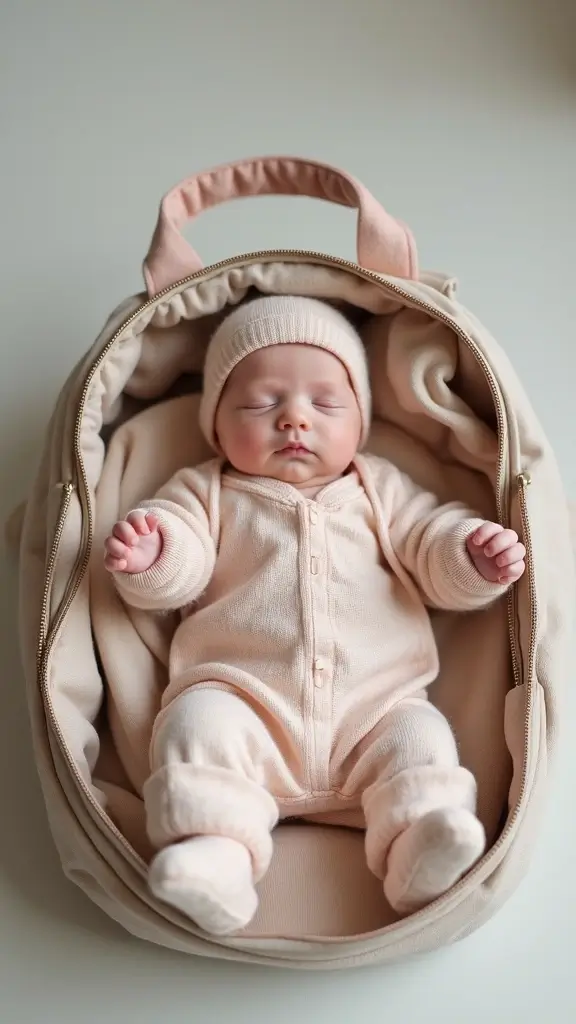
Your baby will need something special to wear home from the hospital. Most newborns arrive smaller than expected, so bring multiple sizes. A newborn size and a 0-3 month size cover most cases. Choose soft, washable fabrics that won’t irritate delicate skin. Avoid anything with rough seams or tight elastic. Many parents pick outfits that match their own style or family tradition. This outfit becomes a keepsake photo, so choose something you’ll love seeing in pictures for years to come.
2. Checklist and Notes
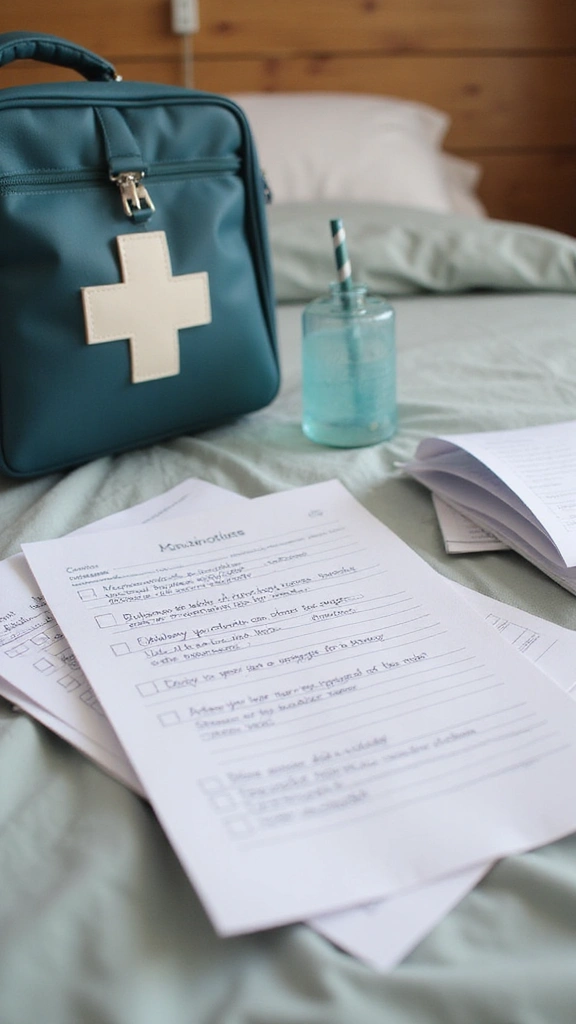
Keep a written checklist with you during labor and delivery. Write down questions for your medical team. Note feeding times, diaper changes, and how your baby responds to different situations. A simple notepad and pen take up almost no space. You’ll reference these notes during postpartum visits and when talking to your pediatrician. Having everything written down reduces stress when your mind is foggy from sleep deprivation and hormones.
3. Personal Items for Comfort

Hospital rooms can feel cold and sterile. Bring items that make you feel like yourself. Lotion, lip balm, and hand cream ease the discomfort of dry hospital air. A favorite scented candle or room spray (if allowed) lifts your mood. Some parents bring photos or a small decoration for the room. These touches remind you that you’re still you, even in a medical setting. Small comfort items occupy minimal luggage space but deliver outsized emotional benefits.
4. A Good Book or Magazine

Labor can last many hours. Early stages involve waiting and breathing through contractions. A good book or magazine keeps your mind occupied during these gaps. Choose something engaging but not too demanding. Light fiction, memoirs, or magazines work well. Some parents prefer audiobooks they can listen to hands-free. Entertainment helps pass time and reduces anxiety.
5. Favorite Blanket or Comfort Item
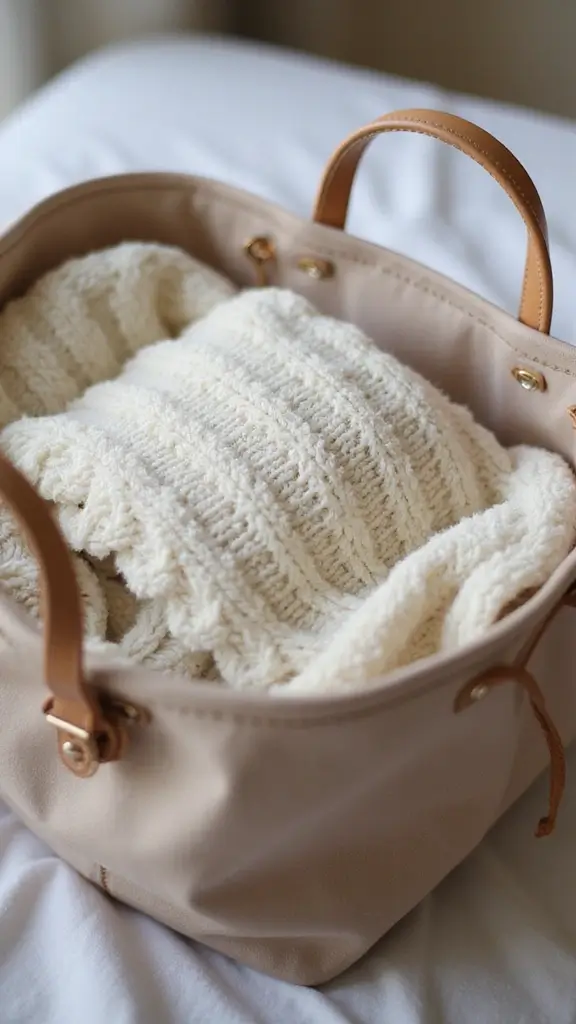
A blanket from home carries your own scent and memories. Hospital blankets are functional but impersonal. Bringing something familiar eases the transition into an unfamiliar space. This works for both you and your baby. Newborns respond to familiar smells and textures. A blanket you’ve used for months carries your scent, which calms your infant. Choose something washable in case of spills or accidents.
6. Breastfeeding Journal

If you plan to breastfeed, tracking feeds helps you and your lactation consultant. Write down which side you started on, how long your baby fed, and any concerns. A simple notebook works fine. You’ll reference these notes during the first weeks at home when feeding feels overwhelming. Seeing progress in writing motivates you to keep going.
7. Extra Bag for Baby Gear

Hospitals send you home with samples, paperwork, and gifts. Your original hospital bag won’t hold everything. Pack a collapsible bag or extra tote inside your main luggage. Use it to collect items throughout your stay. On discharge day, you’ll have a dedicated place for all the extras. This prevents losing important documents or samples.
8. Travel Pillow
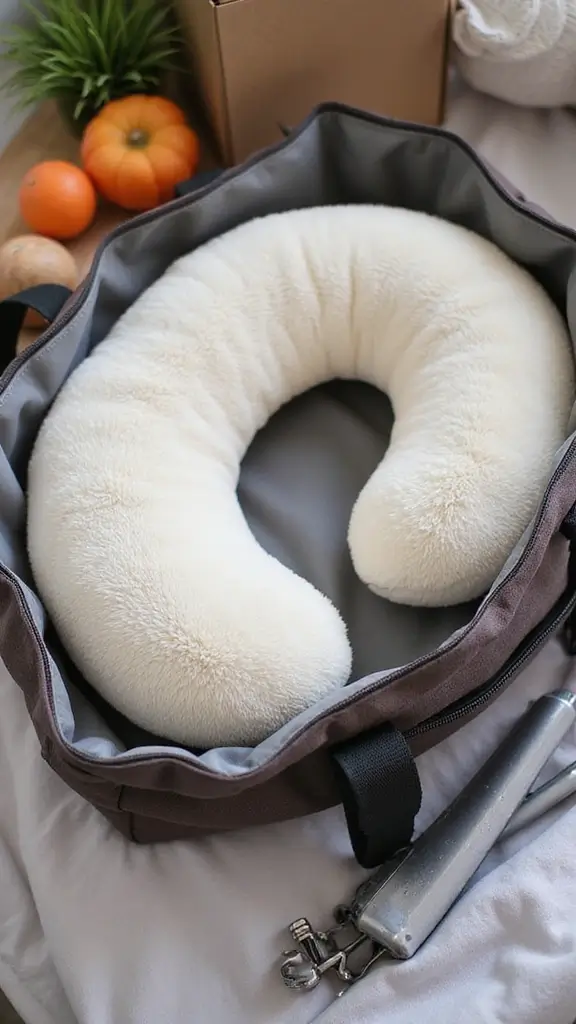
Hospital pillows are plastic-covered and uncomfortable. Bring a pillow from home in a colored pillowcase so staff don’t confuse it with hospital linens. A travel pillow works well if you want something smaller. Proper neck and head support helps you rest between contractions and after delivery. Sleep becomes precious during your hospital stay.
9. Baby Care Instructions
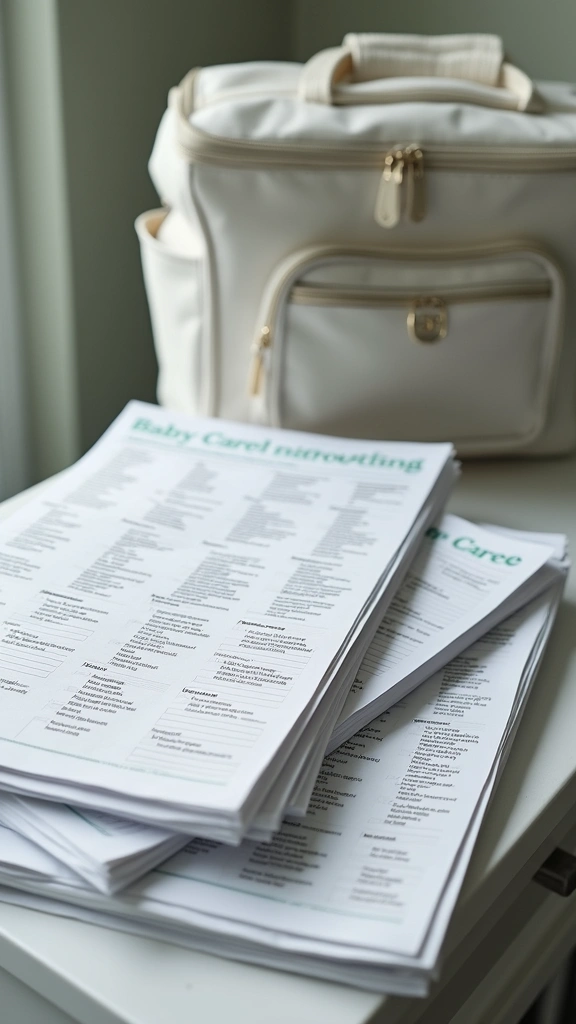
Hospitals provide education, but having printed guides helps you remember details. Bring sheets on diaper changing, bathing, swaddling, and sleep safety. Reference these when you’re tired and unsure. You can review them at 3 AM when your baby won’t sleep and you’re questioning everything. These guides reduce anxiety and build confidence in your parenting abilities.
10. Essential Oils or Relaxation Tools

Check hospital policy before bringing essential oils. Some facilities allow them, others don’t. If permitted, lavender or chamomile can ease anxiety during labor. A small diffuser or even a tissue with a drop of oil provides calming scent. Relaxation tools like stress balls give your hands something to do. These items support your mental state during an intense physical experience.
11. Camera or Video Recorder
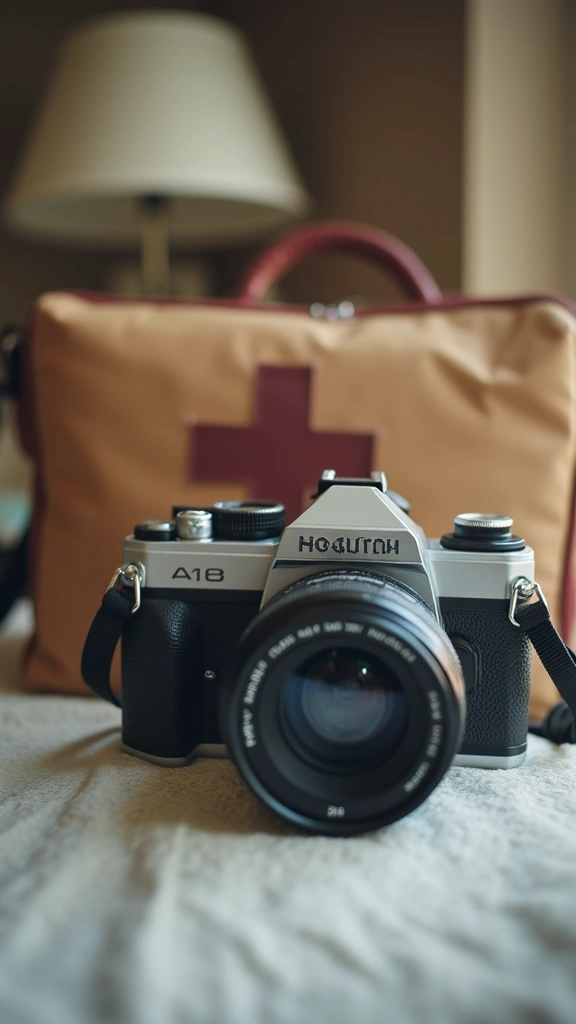
Your phone camera works fine, but a dedicated camera captures better quality photos. First moments with your baby deserve good lighting and clear focus. Video recordings let you capture your baby’s first cries and movements. Years later, you’ll treasure these recordings. Make sure your phone is fully charged and your camera has fresh batteries.
12. Birth Plan
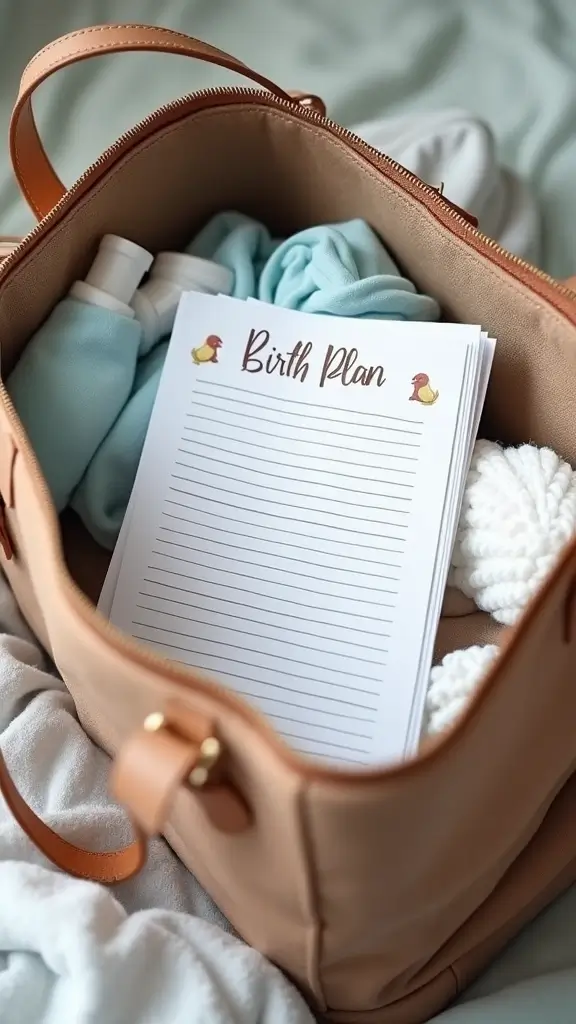
Print multiple copies of your birth plan. Give one to each staff member who enters your room. A written plan communicates your preferences clearly when you’re in pain and can’t articulate them well. Include your wishes about pain management, monitoring, and immediate postpartum care. Keep it simple and realistic. Staff appreciate knowing your priorities.
13. Postpartum Recovery Supplies

Hospitals provide basic supplies, but bringing extras gives you options. Heavy flow pads, ice packs, and soothing sprays ease postpartum discomfort. Hemorrhoid cream and pain relief medication help with common recovery issues. Ask your doctor what’s safe to bring. Having these items on hand means you don’t have to ask staff for help with every small discomfort.
14. Comfy Slippers

Hospital floors are cold and slippery. Bring slippers with non-slip soles that you can easily slip on and off. You’ll be walking around during labor and recovery. Comfortable footwear makes movement easier and safer. Choose something washable in case of spills. Slippers also keep your feet warm when hospital blankets aren’t enough.
15. Breastfeeding Supplies

Bring nursing bras that fit your current size. Hospital gowns open in front, but nursing bras provide easier access and support. Breast pads prevent leaking on your clothes. Nipple cream eases soreness during the first weeks of breastfeeding. A nursing pillow helps position your baby correctly. These supplies support successful breastfeeding from day one.
16. Pacifiers
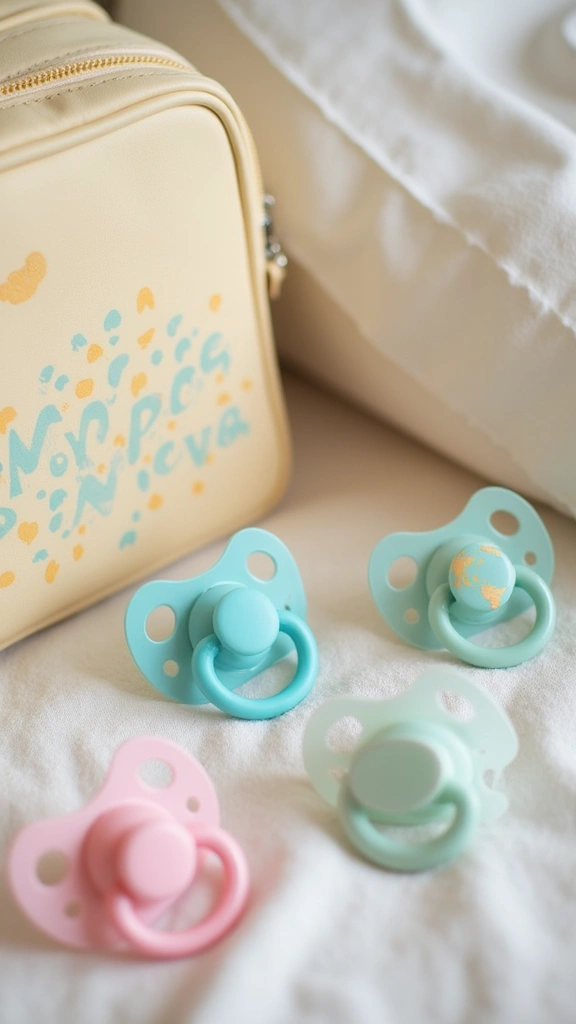
Bring pacifiers if you plan to use them. Hospitals have some available, but having your preferred style ensures consistency. Newborns find comfort in sucking. Pacifiers soothe fussy babies and give your arms a break. If you do use them, having your choice available means your baby gets familiar with one style.
17. Maternity Underwear

Bring disposable underwear or ones you don’t mind throwing away. Labor and recovery involve bleeding and fluids. Hospital gowns leave you exposed, and regular underwear gets ruined. Disposable options solve this problem without stress. Pack several pairs so you always have clean ones available. Comfortable, loose-fitting styles work best during recovery.
18. Snacks for Energy

Hospital food is available, but having snacks you enjoy helps. Bring nuts, granola bars, dried fruit, and other non-perishable favorites. Labor burns calories, and you’ll be hungry between meals. Check hospital policy on outside food first. Some facilities have restrictions. If allowed, snacks provide comfort and familiarity during an intense experience.
19. Phone Charger
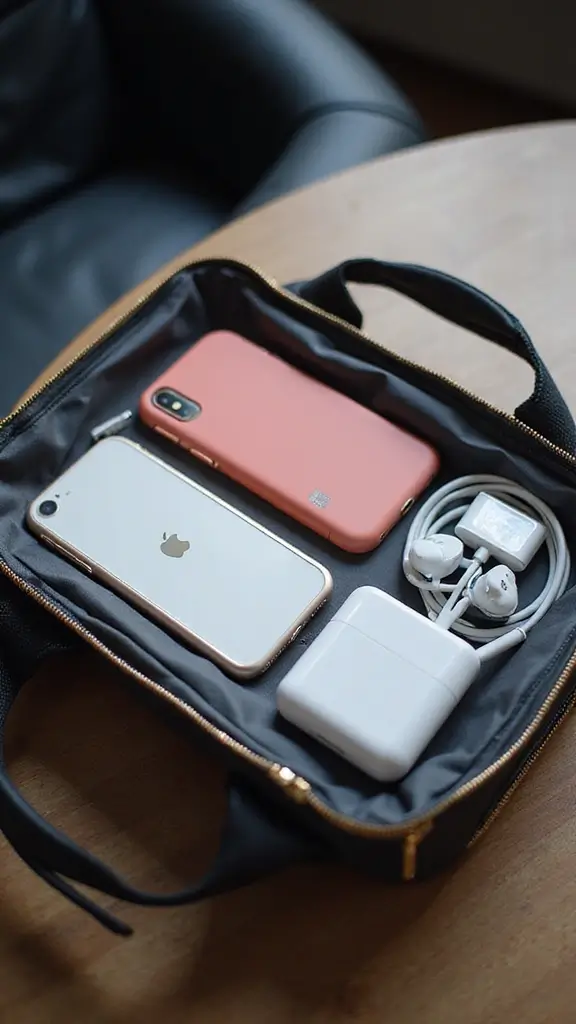
Your phone is essential for photos, communication, and distraction. A dead phone during labor is frustrating. Bring your charger and a backup if possible. Hospital rooms have outlets, but they’re often inconveniently located. A long charging cable lets you use your phone while it charges. You’ll want to call family, text friends, and capture photos.
20. Toiletries for Mom

Bring your own toiletries instead of using hospital supplies. Your familiar products feel comforting and work better for your skin. Include shampoo, body wash, toothbrush, toothpaste, and deodorant. Hospital showers are available, and a real shower after labor feels amazing. Pack travel-sized items to save space. Feeling clean and fresh boosts your mood when you’re exhausted.
21. Cozy Blanket
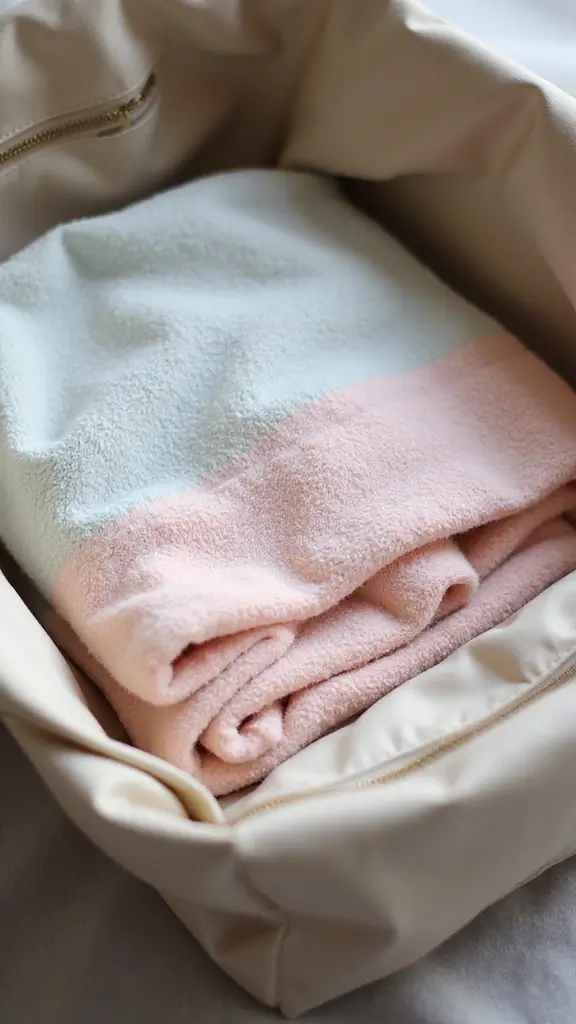
A blanket from home provides warmth and emotional comfort. Hospital blankets are thin and functional. Bringing something cozy helps you feel secure in an unfamiliar environment. Choose a blanket that’s meaningful to you. This becomes part of your birth story and memory. Your baby will also benefit from the familiar scent and warmth.
22. Diapers and Wipes
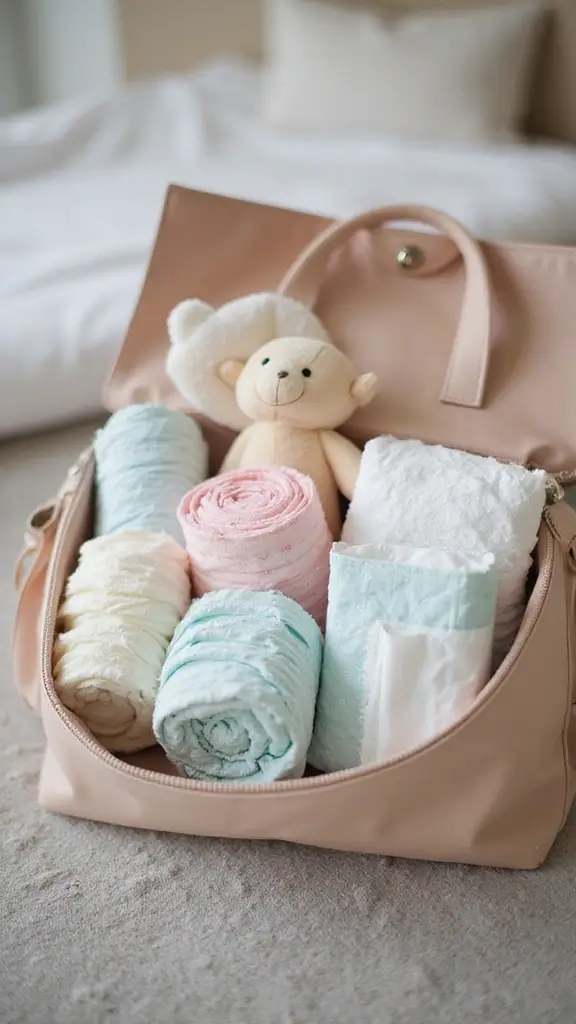
Hospitals provide diapers, but bringing your preferred brand gives you options. Some babies have sensitive skin that reacts to certain brands. Having your choice available means you can switch if needed. Bring newborn and size one diapers. Wipes for sensitive skin are gentler than standard options. Having extras means you’re not dependent on hospital supplies if they don’t work for your baby’s skin.
23. Baby Clothes
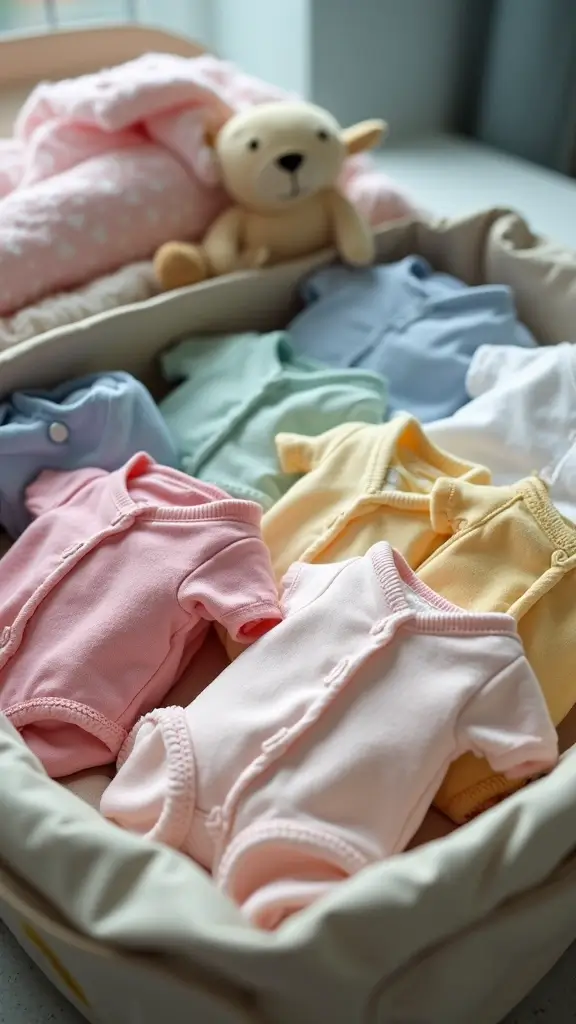
Pack multiple sizes of baby clothes. Newborns vary widely in size. Bring newborn, 0-3 month, and 3-6 month sizes. Include onesies, sleepers, mittens, and socks. Sleepers with zippers are easier than snaps during nighttime changes. Mittens prevent your baby from scratching their face. Choose soft, breathable fabrics. Having your own options means your baby wears something you’ve chosen.
Final Word
Packing your hospital bag weeks before your due date removes stress from your final weeks of pregnancy. You’ll feel prepared and confident knowing you have everything you need. Review this checklist with your partner so they know what’s packed and where. Call your hospital to confirm their specific policies on outside items. Every facility has slightly different rules. Most hospitals welcome prepared parents who’ve thought through their needs. Use this checklist as a starting point, then customize it based on your preferences and your hospital’s guidelines. You’re ready for this.



Leave a Reply